
 By admin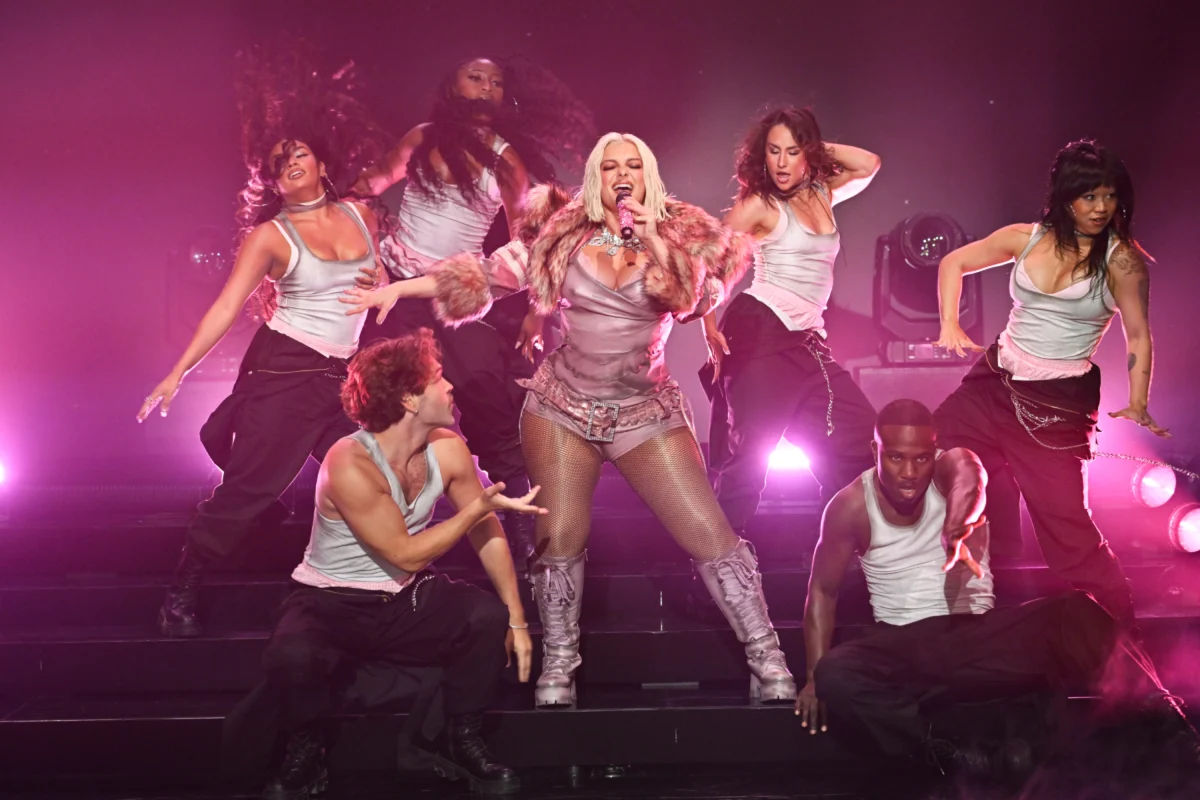
HangupsMusic.com – New York, Bebe Rexha recently delivered a captivating performance on NBC’s The Tonight Show Starring Jimmy Fallon, presenting a dynamic medley of her latest singles, "New Religion" and "Sad Girls." The appearance served as a powerful showcase for tracks from her critically anticipated album, Dirty Blonde, a project that not only marks a significant artistic evolution but also her courageous foray into the realm of independent music. With a stage presence that was both electrifying and deeply personal, Rexha underscored the themes of resilience and self-discovery that permeate her new work, leaving an indelible impression on the audience and further cementing her status as an artist unafraid to forge her own path.
The performance itself was a masterclass in modern pop showmanship, blending high-octane energy with moments of poignant vulnerability. Rexha, known for her powerful vocals and engaging stage persona, was flanked by a cadre of dynamic dancers whose synchronized movements amplified the pulsating rhythms of the tracks. The stage, bathed in a sophisticated interplay of neon lights and atmospheric haze, created a club-like ambiance perfectly suited for the electronic-infused pop anthems. The medley commenced with an energetic snippet of "New Religion," its synth-driven intro building an immediate sense of anticipation before seamlessly transitioning into the full-throttle infectiousness of "Sad Girls." This strategic arrangement allowed both songs to shine, demonstrating their individual strengths while highlighting their cohesive place within the broader soundscape of Dirty Blonde. Rexha’s vocal delivery was impeccable, soaring over the intricate production with a raw authenticity that connected directly with the televised audience. Her command of the stage, coupled with the meticulous visual production, transformed the late-night slot into a mini-concert event, a testament to her dedication to her craft and her vision for this new musical chapter.
"Sad Girls," a notable collaboration with electronic music maestro David Guetta, has been a standout track since its release in May. The song epitomizes the blend of emotional depth and dancefloor euphoria that Rexha has skillfully cultivated throughout her career. In a previous statement, Rexha articulated the profound meaning behind the track, describing it as an anthem for those navigating heartbreak on the dance floor, choosing resilience over despair. "‘Sad Girls’ is for anyone who has ever been on a dance floor with a broken heart and refused to let it win,” she shared. “You’re not okay, but you’re still dancing and showing up for yourself. That’s one of the most powerful things you can do in those moments.” This sentiment resonated deeply during her Tonight Show rendition, as she imbued the lyrics with an emotional weight that transcended the uptempo beat, offering a cathartic experience for listeners. The collaboration with Guetta is particularly significant, as their previous work, such as the global phenomenon "I’m Good (Blue)," has consistently topped charts and showcased their undeniable chemistry in crafting anthemic pop-EDM hybrids. Guetta’s signature production, characterized by soaring melodies and driving beats, provides the perfect sonic canvas for Rexha’s emotive storytelling, creating a track that is both sonically exhilarating and lyrically resonant.
March saw the unveiling of "New Religion," a single that holds particular symbolic weight as Rexha’s inaugural release under her own independent label. This track not only marked her return to the music scene with fresh material but also signaled a definitive break from her major label past, embodying the newfound artistic freedom she now champions. Sonically, "New Religion" is a vibrant declaration of self, featuring an expansive sound that fuses contemporary pop sensibilities with an underlying current of empowering lyricism. It set the stage for Dirty Blonde, establishing a precedent for the uninhibited creativity that would define the album. Both "New Religion" and "Sad Girls" serve as crucial pillars of Dirty Blonde, collectively illustrating the album’s thematic core: an exploration of vulnerability, strength, and the complex journey of self-acceptance in the public eye.
The narrative surrounding Dirty Blonde is deeply intertwined with Rexha’s recent professional metamorphosis. For years, Bebe Rexha was a prominent figure within the major label system, enjoying a string of successful pop EDM hits and high-profile collaborations throughout the mid-2010s. Tracks like "Me, Myself & I" with G-Eazy and "Meant to Be" with Florida Georgia Line showcased her versatility and ability to seamlessly navigate different genres, earning her widespread acclaim and commercial success. However, the often-restrictive nature of major label contracts and the pressures of the industry can take a toll on an artist’s creative autonomy. In a candid and emotionally raw Instagram post earlier this year, Rexha revealed the challenging news that her long-standing label, Warner Music, had decided to part ways with her. The accompanying tearful video, recorded in a moment of profound vulnerability, captured the raw uncertainty and emotional devastation she experienced. It was a stark reminder of the often-brutal realities of the music business, where even established artists can find themselves at a crossroads.
Yet, from this moment of perceived setback, Rexha forged a powerful new beginning. Rather than viewing the separation as an end, she embraced it as an opportunity for reinvention and true artistic liberation. Following her departure from Warner, Rexha signed a strategic deal with Empire, a prominent independent distribution company. Empire’s model offers artists a unique blend of distribution services, alongside valuable label and publishing support, without the stringent creative control often exerted by traditional major labels. This partnership has proven to be a pivotal moment in Rexha’s career, empowering her with unprecedented autonomy over her music, her image, and her artistic direction. The move reflects a growing trend in the music industry, where artists increasingly seek independent avenues to maintain ownership of their masters and creative vision, bypassing the conventional gatekeepers to connect more directly with their audience.
The title Dirty Blonde itself carries a weight of symbolism, hinting at a duality—a blend of polished allure and raw, untamed authenticity. Rexha’s own words underscore the profound personal significance of the album. "‘Dirty Blonde’ became so much more monumental to me than I ever expected,” she articulated. “Making this album independently reminded me why I fell in love with music in the first place. I had the freedom to trust my instincts, take risks and create something that feels completely mine. ‘Dirty Blonde’ is me in my truest form: honest, unapologetic and free.” This statement is a powerful manifesto, not just for the album but for her entire artistic ethos moving forward. It speaks to the liberation found in shedding external expectations and embracing one’s unfiltered self, both creatively and personally. The album, therefore, is not merely a collection of songs but a sonic diary, chronicling her journey from uncertainty to empowerment, a testament to the transformative power of self-belief.
The critical anticipation surrounding Dirty Blonde has been palpable, with industry observers keenly watching how Rexha’s independent venture would unfold. Early listener reactions and reviews suggest that the album delivers on its promise of honesty and artistic freedom. It’s expected to resonate deeply with fans who have followed her career, appreciating her willingness to share her vulnerabilities while simultaneously delivering empowering anthems. The soundscape of Dirty Blonde is rumored to be eclectic yet cohesive, showcasing Rexha’s diverse influences and her ability to weave together various genres—from her signature pop-EDM roots to more introspective, alternative-leaning tracks—all united by her distinctive vocal style and heartfelt lyricism. This collection is poised to not only satisfy her existing fanbase but also attract new listeners drawn to her authentic narrative and fearless artistic exploration.
Looking ahead, Bebe Rexha’s independent chapter with Empire signifies more than just a new album; it heralds a new era for the artist. It opens doors for more experimental collaborations, uninhibited lyrical themes, and potentially a more intimate connection with her audience through direct fan engagement. Her recent Tonight Show appearance was not just a promotional stop but a declaration of artistic sovereignty, a bold statement that Bebe Rexha is firmly in control of her narrative and her destiny. As Dirty Blonde continues to make its mark, it serves as an inspiring blueprint for artists everywhere, demonstrating that true creative freedom often lies beyond the confines of conventional industry structures, paving the way for a more authentic and uncompromised artistic expression. The journey of Dirty Blonde is a powerful reminder that sometimes, the most profound artistic growth emerges from the most challenging personal and professional transitions.
