
 By admin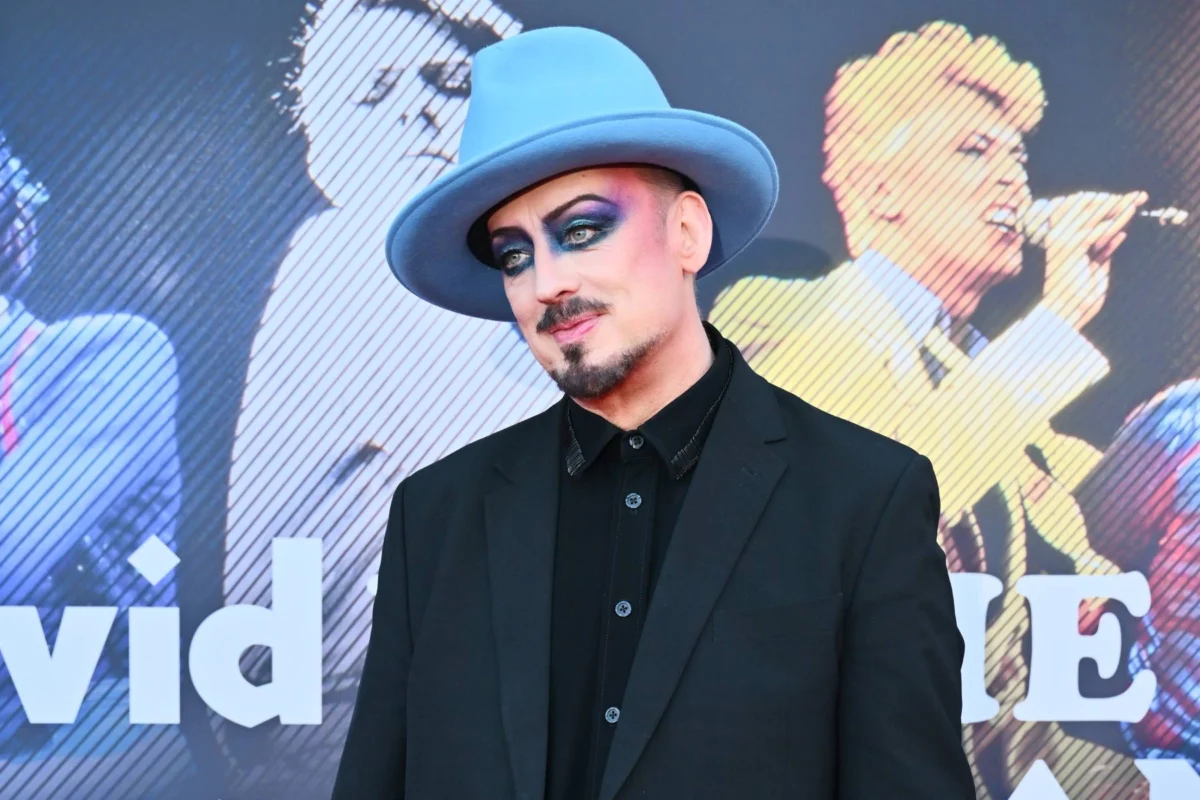
HangupsMusic.com – London, The iconic West End revival of Andrew Lloyd Webber and Tim Rice’s Jesus Christ Superstar has been dealt an unexpected blow as cultural chameleon Boy George has withdrawn from his highly anticipated role as King Herod. This sudden departure, announced just days after the release of his AI-assisted track, ‘We Will Dance Again,’ plunges both the production and the artist into a maelstrom of debate, spotlighting the volatile intersection of celebrity, technology, and contentious geopolitical discourse.
The announcement of George’s exit came via his long-time manager, Paul Kemsley, who took to social media to convey the news. Kemsley’s statement articulated a decision made "after careful consideration," emphasizing "utmost respect for the producers, the creative team and the entire company" of Jesus Christ Superstar. While expressing "sincere apologies for the disappointment" to fans, Kemsley’s message underscored the delicate balance between an artist’s personal convictions and the broader responsibilities of their public platform. "George has never been afraid to stand by his personal convictions, and I have always respected him for that," Kemsley wrote, adding, "Equally, I believe it is my responsibility to make decisions that are in the best interests of my artist while also showing respect to others." This framing suggested a strategic move to insulate both the artist and the theatrical production from the burgeoning controversy.
At the heart of the storm is "We Will Dance Again," a track released by Boy George earlier in the week that quickly garnered widespread attention for its explicit political messaging. The song, which George revealed was "created using AI" and dubbed "AI for good," shares its name with a 2024 documentary focusing on the October 7, 2023, attack by Hamas on the Nova Music festival in Israel. George’s candid admission about using artificial intelligence in its creation added another layer to the ongoing global conversation about the role of AI in creative industries, especially when tackling deeply sensitive and divisive subjects. His comment that he "would struggle to write this with a human!" hinted at the potentially complex, and perhaps isolating, nature of articulating such strong views.
The lyrics of "We Will Dance Again" are undeniably provocative, immediately sparking a fierce debate among listeners and critics alike. The opening lines, "You say genocide, I say war/When you’re attacked, that’s what the army’s for," set a confrontational tone, directly addressing and refuting the accusations of genocide levied against Israel regarding its military actions in Gaza. This particular phrasing drew immediate criticism from those who view Israel’s actions as disproportionate and catastrophic for Palestinian civilians, framing the lyrics as dismissive of immense suffering. Conversely, supporters of the song lauded it as a bold stance against what they perceive as biased international condemnation of Israel.
Further stoking the flames of controversy, the song references Israeli civilians being murdered "for the crime of dancing," a direct allusion to the victims of the Nova Music Festival attack, where hundreds were killed or abducted. This lyric aims to humanize the Israeli victims and highlight the perceived barbarity of the attack. However, the song also takes aim at artists and public figures who have expressed solidarity with Palestinians and denounced the war, stating, "You condemn the Jews, with selective memory/Musicians holding flags, mouthing like sheep Propaganda fueled by the internet feels so weak." These lines were interpreted as a broad swipe at fellow entertainers who have adopted pro-Palestinian stances or criticized Israeli policies, accusing them of being ill-informed or succumbing to internet-driven narratives. The song’s availability online appears to have been curtailed since its initial release, though the reasons for its removal remain unconfirmed.
Boy George, born George Alan O’Dowd, has a long and storied career marked by flamboyant artistry and a willingness to challenge societal norms. As the frontman of Culture Club, he rose to global stardom in the 1980s, becoming an icon of gender fluidity and pop innovation. Throughout his career, he has often embraced a rebellious spirit, but his controversies typically revolved around personal struggles, legal issues, or artistic expression rather than direct political commentary on international conflicts. This venture into such a highly charged geopolitical arena represents a significant departure for the artist, positioning him in a new, and for many, unexpected light. His previous persona, often one of a unifying figure through music, clashes sharply with the divisive nature of his latest release.
The decision to utilize artificial intelligence for such a sensitive composition also brings the broader ethical implications of AI in creative endeavors to the fore. While "AI for good" is often championed in areas like scientific research or humanitarian efforts, its application in crafting politically charged lyrics raises questions about authorship, intent, and the potential for technological tools to amplify, rather than mediate, conflict. Critics argue that using AI for such a divisive topic could dehumanize the artistic process, potentially shielding the artist from direct accountability while still leveraging their public platform for a powerful message. Conversely, proponents might argue that AI merely serves as a tool, and the ultimate responsibility for the message rests with the human artist.
For the Jesus Christ Superstar production at the London Palladium, Boy George’s withdrawal presents a logistical and public relations challenge. George was slated to play the pivotal role of King Herod from August 3 to 15, a character known for his sardonic and flamboyant number, "King Herod’s Song." The role in this acclaimed revival has been a rotating star turn, previously occupied by notable actors such as Jesse Tyler Ferguson, Simon Russell Beale, and Richard Armitage, with Layton William and Julian Clary scheduled for later dates. The sudden void in the schedule necessitates a swift replacement, undoubtedly putting pressure on the production team to find a performer of similar caliber and public appeal at short notice. The producers will likely be keen to refocus attention on the artistic merits of the show itself, distancing it from external controversies.
This incident also underscores the increasingly precarious position of public figures in an interconnected world where social and political stances can rapidly escalate into widespread debate. Artists are often pressured to take sides on global events, and their choices can have significant repercussions, impacting their fan base, professional opportunities, and public perception. Boy George’s experience with "We Will Dance Again" serves as a stark reminder of the fine line artists walk when translating personal convictions into public art, especially when those convictions touch upon deeply entrenched and emotionally charged conflicts. The incident highlights the growing expectation for artists to not only entertain but also to navigate complex ethical landscapes, with their every move scrutinized by a global audience.
As Jesus Christ Superstar continues its run until September 5, the search for a new King Herod for the August dates will undoubtedly be a closely watched development. For Boy George, the future remains uncertain. Whether this episode marks a permanent shift in his artistic direction towards more overt political commentary, or if it will prompt a more cautious approach to blending technology and advocacy, remains to be seen. What is clear is that the "We Will Dance Again" controversy has etched a new, indelible chapter into the annals of his career, leaving a lasting imprint on the ongoing discourse surrounding art, AI, and activism.
