 By admin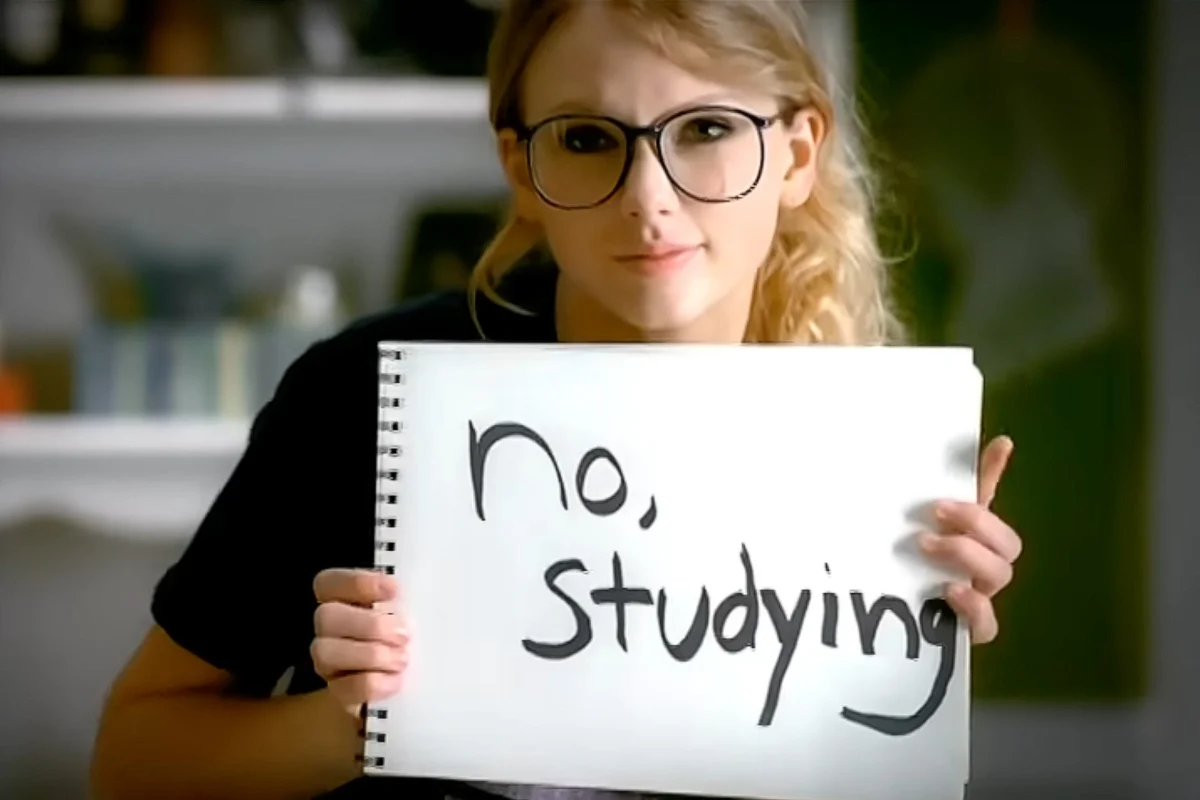
HangupsMusic.com – The human experience is a tapestry woven with threads of connection and, at times, stark isolation. While pop culture often glorifies an idealized image of effortless popularity and seamless integration, there exists a profound and relatable counter-narrative: the feeling of being an outsider. This sentiment, far from being a niche emotion, resonates deeply across generations and demographics, manifesting as awkwardness in social dynamics, a yearning for acceptance, or simply the quiet realization that one’s interests diverge from the mainstream. It’s a testament to the universality of this experience that some of music’s most celebrated artists have not only acknowledged but masterfully encapsulated these feelings, transforming moments of vulnerability into powerful sonic statements.
From the confessional lyrics of a budding pop icon to the defiant shouts of a punk-rock veteran, the spectrum of emotions associated with not quite fitting in has become fertile ground for artistic expression. These songs often serve as mirrors, reflecting the listener’s own internal struggles, offering solace in shared understanding, and ultimately, paving the way for a radical shift in perspective. What begins as a narrative of longing can evolve into an anthem of self-acceptance, demonstrating that the very traits perceived as "different" or "unconventional" are, in fact, sources of unique strength and identity.

Consider the poignant narratives crafted by artists like Taylor Swift, whose early works frequently explored the dynamics of high school hierarchies and the ache of unrequited attention. Her seminal track, "You Belong With Me," masterfully articulates the frustration of the "girl next door" watching her crush pursue someone seemingly more popular or glamorous. The song’s vivid imagery of differing social circles—the cheerleader versus the band geek—taps directly into the universal struggle of feeling overlooked or misunderstood. Swift’s genius lay in validating this common experience, giving voice to millions who felt they were on the periphery, observing a world they desperately wanted to be a part of. The enduring appeal of such a song highlights how potent the theme of longing for connection, while feeling intrinsically different, remains.
Similarly, Echosmith’s breakout hit "Cool Kids" became an anthem for a generation grappling with social anxieties. Its lyrics, "I wish that I could be like the cool kids, ’cause all the cool kids, they seem to fit in," articulated a raw, honest desire for belonging that many felt but rarely expressed aloud. The song didn’t preach acceptance; it simply mirrored the pervasive sentiment of wanting to emulate those who appeared to effortlessly navigate social landscapes. This honest portrayal of envy and aspiration resonated precisely because it didn’t offer a facile solution, but rather an empathetic acknowledgment of a widespread emotional truth.
More recently, Olivia Rodrigo has emerged as a voice for contemporary youth, channeling the turbulent emotions of adolescence into chart-topping hits. While her music often delves into heartbreak and betrayal, underlying many of her narratives is a palpable sense of insecurity and the struggle to find one’s footing in a complex world. Songs like "drivers license" or "good 4 u" carry an undercurrent of vulnerability and emotional rawness that speaks to the disorientation of young adulthood, a period often marked by intense pressure to conform while simultaneously striving for individual identity. Her unvarnished honesty has created a profound connection with listeners who see their own awkward phases, insecurities, and defiant streaks reflected in her lyrics.

Yet, the journey from feeling like an outsider doesn’t always end in quiet resignation. For many artists and their fans, the experience of being different becomes a powerful catalyst for self-celebration. This shift in perspective, from yearning for conformity to embracing uniqueness, is a recurring and empowering theme in music. Artists like Pink have built entire careers on championing authenticity and rejecting societal expectations. Her anthems, such as "Raise Your Glass" or "F***in’ Perfect," are not merely songs; they are manifestos for anyone who has ever felt marginalized. Pink’s fierce independence and unapologetic persona serve as a beacon, encouraging listeners to find strength in their perceived flaws and to celebrate the "freak flag" that makes them distinct. Her music transcends simple pop hooks, becoming a rallying cry for individuality and resilience.
Jimmy Eat World’s enduring classic, "The Middle," is another quintessential example of this empowering narrative. With its reassuring chorus, "Hey, don’t write yourself off yet / It’s only in your head you feel left out or looked down on," the song offers a profound message of perseverance and self-belief. It speaks directly to those moments of doubt, urging listeners to trust their own path and recognize their inherent worth, irrespective of external validation. The track’s simple yet powerful message has cemented its place as an anthem for anyone navigating the pressures of conformity, reminding them that their unique journey holds value.
Lorde, with her distinctive artistic vision, burst onto the scene with a critique of mainstream pop culture, offering an alternative voice for those who felt disconnected from its glossy facade. Her debut single, "Royals," became a global phenomenon precisely because it articulated a rejection of aspirational wealth and celebrity, instead celebrating a more grounded, authentic experience. Lorde’s music resonated with a demographic that valued introspection and artistic integrity over manufactured glamour, proving that "uncool" could indeed be the new cool. Her art championed a different kind of sophistication, one rooted in observational wit and an unyielding commitment to her own creative truth.

Beyond individual artists, cultural phenomena like the television series Glee served as a massive platform for this theme. The show, centered around a high school glee club composed of various "misfits" and "losers," dedicated its entire premise to the idea that individuality, when channeled through collective passion, could lead to extraordinary achievements. Each character’s journey was a testament to overcoming social stigmas, embracing their quirks, and finding belonging not by conforming, but by celebrating their shared love for music. Glee‘s widespread appeal underscored the hunger for narratives where the underdog triumphs, and where the "uncool" find their spotlight.
The pantheon of artists who have championed the unconventional extends even further, showcasing a rich history of celebrating difference. Weezer, since their inception, has cultivated an image synonymous with charming awkwardness and intellectualized rock. Songs like "Buddy Holly" or "Undone – The Sweater Song" are imbued with a self-aware, almost endearing sense of being outside the mainstream. Their music resonated with those who identified with their nerdy aesthetic and introspective lyrics, transforming the perceived "uncoolness" of their persona into a badge of honor. Weezer proved that embracing one’s inner dork could be a powerful statement of authenticity and a pathway to widespread adoration.
Beck’s iconic "Loser," released in the early 90s, became an unexpected generational anthem. Its seemingly nonsensical lyrics and lo-fi aesthetic perfectly captured a sense of postmodern ennui and self-deprecation. Far from being a lament, the song’s chant of "I’m a loser baby, so why don’t you kill me?" was delivered with a sardonic wink, turning the insult into an ironic declaration of independence. It was a rejection of pretension, an embrace of imperfection, and a testament to finding liberation in the refusal to take oneself too seriously. "Loser" wasn’t just a song; it was a cultural moment that legitimized a certain kind of anti-hero.

Similarly, Wheatus’ "Teenage Dirtbag" became an enduring ode to the anxieties and crushes of high school outcasts. The song’s narrative perspective, sung from the viewpoint of a self-proclaimed "dirtbag" yearning for the popular girl, perfectly captured the yearning and awkwardness of adolescent social dynamics. It tapped into the collective memory of feeling unseen or misunderstood during formative years, offering a nostalgic yet empathetic look at the struggles of youth. Its relatable portrayal of feeling like an outsider secured its place as a beloved cult classic.
Even legendary figures like Bob Dylan, though not overtly singing about "fitting in," embody the spirit of the unconventional. From his enigmatic lyrical style to his famous "going electric" moment at the Newport Folk Festival, Dylan consistently defied expectations and marched to the beat of his own drum. He carved out a unique space in music history by refusing to be categorized or constrained by genre, influencing countless artists to prioritize artistic integrity and personal vision over commercial appeal. His career serves as a powerful testament to the idea that true artistry often blossoms outside the confines of the status quo.
In an era increasingly saturated with curated online personas and the pressure to present an idealized self, the enduring appeal of these "outsider" anthems is more significant than ever. They remind us that vulnerability is a strength, that individuality is a gift, and that the greatest validation often comes from within. Music, in its most powerful form, offers a sanctuary and a rallying cry for those who dare to be different, transforming the solitary experience of feeling "other" into a collective celebration of authenticity. It’s a testament to the human spirit’s resilience and capacity for self-acceptance that the "uncool" can, indeed, be the coolest of all.
