
 By Azzam Bilal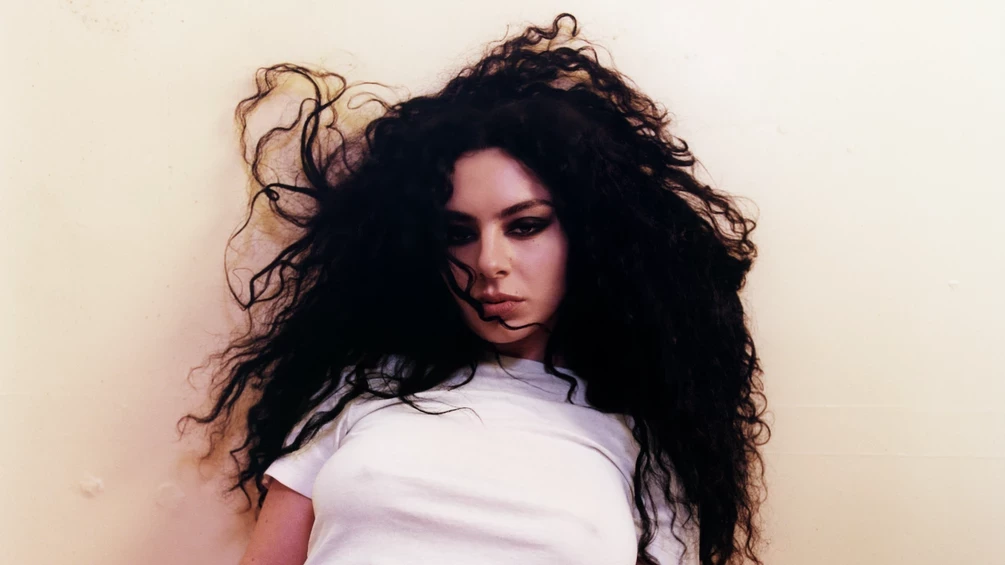
HangupsMusic.com – London, the intersection of contemporary pop culture and classical institutional recognition has found a new focal point in the hallowed halls of London’s National Portrait Gallery. In a move that solidifies the transition of a musical subculture into a historical landmark, the gallery has officially unveiled a portrait of Charlotte Aitchison, known globally as Charli XCX. The photograph, captured during the peak of her "Brat" era, represents more than just a promotional image for a successful album; it serves as a testament to the artist’s role as a primary architect of the current zeitgeist.
The acquisition, which was integrated into the gallery’s prestigious "History Makers Now" space on July 27, 2024, features the British singer-songwriter in a moment of raw, unpolished authenticity. Shot by the acclaimed photographer Harley Weir, the image depicts Charli XCX leaning against a nondescript wall, dressed in a simple white crop top and unbuttoned black jeans. This specific aesthetic—gritty, minimalist, and intentionally "low-effort"—became the visual cornerstone of her sixth studio album, Brat, which was released in June 2024 under Atlantic Records. The National Portrait Gallery has not been shy about its motivations for the acquisition, explicitly labeling the artist as "one of the defining cultural figures of her generation."
The inclusion of Charli XCX in the National Portrait Gallery marks a significant moment for the institution, which has historically balanced its collection between royal lineages and modern innovators. The "History Makers Now" section is specifically designed to highlight individuals who are currently shaping the trajectory of British life, whether through science, activism, or the arts. By placing Aitchison alongside other contemporary giants, the gallery acknowledges that the influence of Brat extends far beyond the confines of digital streaming platforms. It suggests that her impact on fashion, language, and social identity is worthy of the same scrutiny and preservation as the political leaders and literary figures housed in the adjacent rooms.
Brandei Estes, the senior curator at the National Portrait Gallery, emphasized the artistic merit of the photograph itself during the announcement. According to Estes, Harley Weir has spent years honing a photographic style that manages to be both profoundly intimate and commandingly present. The curator noted that the gallery was delighted to acquire the "striking portrait," suggesting that Weir’s ability to capture the essence of Charli XCX’s persona was a key factor in the decision. Weir, known for her work in high fashion and provocative editorial photography, brought a sense of tactile reality to the "Brat" campaign that resonated with a public increasingly tired of overly airbrushed and curated celebrity imagery.
The "Brat" era itself has become a case study in modern marketing and cultural saturation. While the album received widespread critical acclaim for its innovative production and vulnerable songwriting, its visual identity became a phenomenon in its own right. The stark, neon-green cover art, featuring the title in a basic sans-serif font, sparked a global trend known as "Brat summer." This aesthetic movement prioritized a sense of "messy" authenticity, celebrating a lifestyle that was hedonistic yet self-aware. The portrait now hanging in the National Portrait Gallery captures the human face behind that movement—a figure who managed to make a high-concept pop era feel like a personal conversation with her audience.
Adding to the era’s prestige, the creative direction of the Brat project recently received the ultimate industry validation. Brent David Freaney, the designer who collaborated closely with Charli XCX to develop the iconic green artwork, was honored with the 2025 Grammy Award for Best Recording Package. Freaney recently provided a deep dive into the creative process during a keynote speech, revealing the deliberate nature behind what many perceived as a "low-budget" look. He explained that the goal was to create something that felt confrontational and undeniable, a visual that could be easily replicated and meme-ified while maintaining a high-art sensibility. The success of this approach is now etched in history, both through the Grammy win and the National Portrait Gallery’s acquisition.
However, the narrative of Charli XCX is one of constant evolution, and the artist has already begun to move beyond the green-hued world of Brat. Her latest project, titled Music, Fashion, Film, signals a new chapter in her storied career. This new body of work continues her long-standing collaboration with A.G. Cook, the visionary producer and founder of the PC Music collective. The lead single, "Rock Music," showcases a continuation of the hyperpop-adjacent sound that Aitchison helped pioneer, while its accompanying music video, directed by Aidan Zamiri, suggests a shift toward more cinematic and avant-garde visual storytelling. Zamiri, who has become a frequent collaborator for the artist, is known for his ability to blend surrealism with pop-star glamour, a combination that aligns perfectly with Charli’s current trajectory.
As the artist prepares to take her new material on the road, her influence remains rooted in social consciousness as much as musical innovation. Aitchison has announced a major tour across the United States scheduled for September, which is expected to be one of the most high-demand tickets of the season. In a move that aligns with her history of supporting marginalized communities, a portion of the proceeds from the tour ticket sales will be donated to the Transgender Law Center. This commitment highlights the artist’s awareness of her platform and her dedication to the fan base that has supported her since her early days in the London underground rave scene.
The National Portrait Gallery’s decision to display the Harley Weir portrait on its ground floor ensures that it is accessible to the widest possible audience. It invites tourists, art historians, and casual fans alike to contemplate the face of modern British pop. For many, the image is a reminder of a specific summer where a specific shade of green dominated the digital landscape. For others, it is a formal recognition of an artist who has spent over a decade subverting the expectations of the music industry.
Charli XCX’s journey from a teenage singer posting songs on MySpace to a permanent fixture in the National Portrait Gallery is a remarkable arc. It reflects a shift in how society values pop stardom, moving away from the "untouchable idol" model toward an "authentic provocateur" model. Her ability to navigate the mainstream while maintaining the respect of the experimental fringe is rare, and the "Brat" era was the culmination of that balance.
Visitors to the gallery can now see the portrait in the context of a broader historical narrative. By placing the image in the "History Makers Now" space, the curators are making a definitive statement: the music we dance to, the clothes we wear, and the digital trends we participate in are the building blocks of history. Charli XCX, with her unbuttoned jeans and defiant gaze, stands as a representative of that reality.
As the "Brat" era officially transitions from a current event to a museum-grade historical moment, the music industry watches closely to see what Aitchison will do next. With the Music, Fashion, Film project already generating significant buzz and a massive US tour on the horizon, it is clear that her tenure as a "defining cultural figure" is far from over. The portrait in London is not a capstone to a career, but rather a milestone for an artist who continues to redefine what it means to be a British icon in the 21st century. The National Portrait Gallery has captured a moment in time, but the artist herself remains firmly in motion, continuing to shape the very culture the gallery seeks to document.
