
 By admin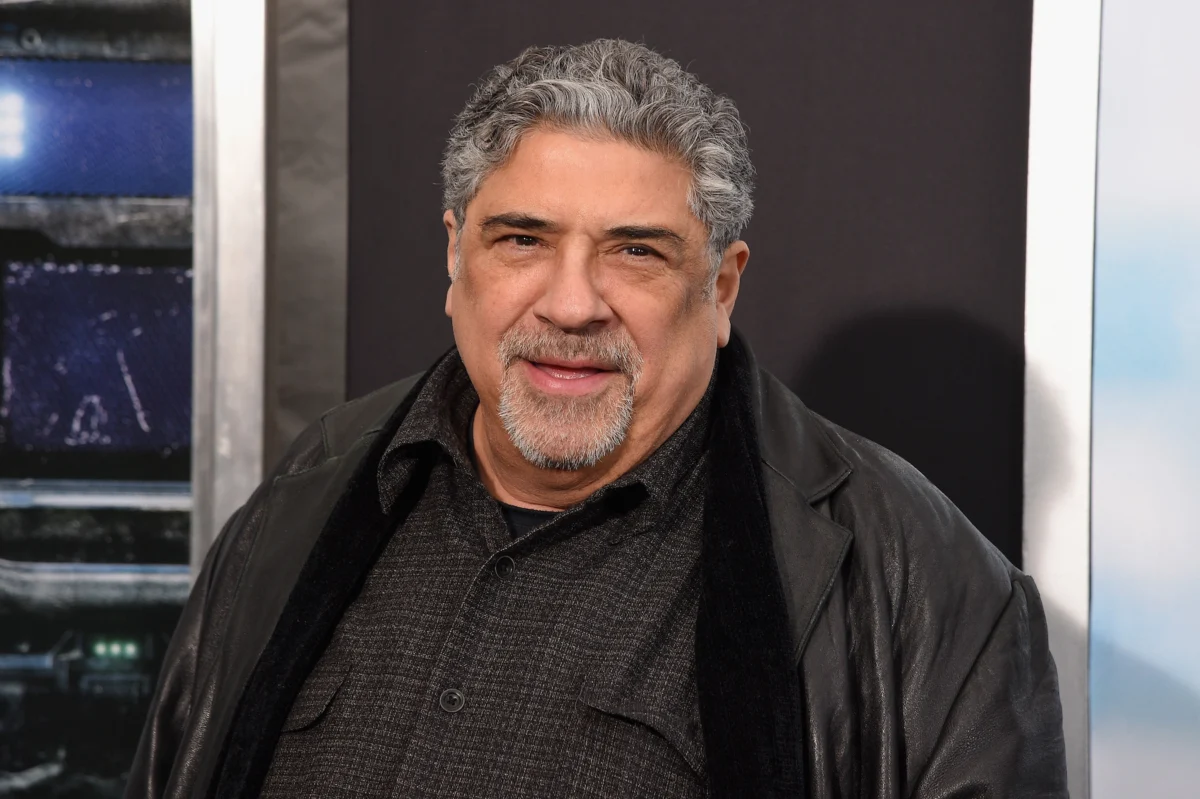
HangupsMusic.com – New York, NY – The entertainment world mourns the loss of Vincent Pastore, a beloved character actor whose distinctive presence and gravelly voice became synonymous with the cinematic portrayal of the American wiseguy. Pastore, widely celebrated for his iconic role as Salvatore "Big Pussy" Bonpensiero in HBO’s groundbreaking series The Sopranos, passed away peacefully in his sleep at his Bronx residence on Saturday, at the age of 80. His death was confirmed by longtime friend Steve Villano, marking the end of a remarkable career that saw Pastore embody nearly 200 on-screen characters, leaving an indelible mark on both film and television.
Born in the Bronx in 1946, Pastore’s path to Hollywood was far from conventional. Unlike many actors who begin their craft in youth, he entered the demanding industry later in life, in his early forties. Before finding his calling in front of the camera, Pastore was, by his own accounts and various reports, a man of varied experiences, having worked as a club owner, a restaurateur, and even in construction. These real-world endeavors undeniably imbued him with a lived-in authenticity, a certain rugged charm, and a streetwise demeanor that would later become his signature. He often spoke of growing up in a neighborhood where the lines between fiction and reality blurred, claiming that his father had connections to the underworld, a background that no doubt lent a compelling layer to his on-screen persona. This foundation of genuine experience proved invaluable, providing a depth and credibility to his performances that many classically trained actors might struggle to replicate.
Pastore’s entry into film began in the late 1980s, primarily with small but memorable roles that capitalized on his imposing stature and distinctive voice. He quickly became a go-to actor for directors seeking a specific type of "heavy." His early filmography reads like a who’s who of crime dramas and gritty urban narratives. A pivotal early appearance came in Martin Scorsese’s 1990 masterpiece, Goodfellas. Though his role was brief, being part of such a seminal work in the gangster genre immediately placed him in a prestigious company, working alongside many actors who would also become genre stalwarts, some of whom he’d reunite with on The Sopranos. This experience provided a significant springboard, allowing him to demonstrate his natural aptitude for the world of organized crime narratives.
Following Goodfellas, Pastore continued to build his resume with appearances in a diverse range of films. He tackled roles in the crime thriller New Jack City (1991), the comedic Who’s the Man? (1993), and even shared the screen with cinematic legends in Woody Allen’s Manhattan Murder Mystery (1993) and Brian De Palma’s critically acclaimed Carlito’s Way (1993), where he appeared alongside Al Pacino. These roles, while often supporting, solidified his reputation as an actor who could deliver impactful performances, whether as a menacing enforcer or a comedic foil. Concurrently, Pastore became a familiar face on television, particularly through multiple appearances on the long-running procedural Law & Order. In these episodes, he consistently portrayed mob-affiliated characters, further cementing his typecast as an actor uniquely suited to the nuances of the criminal underworld.
The turning point that would irrevocably alter the course of Pastore’s career arrived in 1996 with the HBO biopic Gotti. In this made-for-television film, he portrayed a Gambino crime family mobster, sharing the screen with a remarkable ensemble that included future Sopranos castmates Tony Sirico, Frank Vincent, and Dominic Chianese. This experience proved instrumental, not just for the actors involved but also for HBO, which was then beginning to redefine television with its original programming. The chemistry and authenticity displayed by this group of New York-based actors, many of whom had similar backgrounds in independent film and theatre, caught the attention of casting directors and producers, ultimately paving the way for one of television’s most iconic creations.
It was this foundational work that directly led to Pastore being cast as Salvatore "Big Pussy" Bonpensiero in David Chase’s visionary series, The Sopranos. The character, an outwardly jovial and loyal capo in Tony Soprano’s crew, quickly became a fan favorite. "Big Pussy" was more than just a mobster; he was a complex figure, a trusted confidante to Tony, a family man, and, ultimately, a deeply conflicted individual. Pastore brought a unique blend of warmth, humor, and underlying menace to the role, making Bonpensiero one of the most relatable and humanized characters in the series, despite his criminal activities.
The arc of "Big Pussy" was central to The Sopranos’ early seasons, establishing the show’s dark thematic undercurrents and its willingness to delve into the moral ambiguities of its characters. His transformation from Tony’s trusted right-hand man to an FBI informant was a slow-burning revelation that captivated audiences. The tension surrounding his double life, the paranoia it instilled in Tony, and the eventual, devastating discovery of his betrayal culminated in one of the show’s most poignant and brutal scenes. In the Season 2 finale, titled "Funhouse," Bonpensiero was confronted by Tony, Paulie, and Silvio on a boat and executed, his body unceremoniously dumped at sea. This iconic moment not only solidified The Sopranos’ reputation for unflinching realism but also highlighted Pastore’s ability to convey profound regret and resignation in his final moments, leaving an indelible emotional impact on viewers. Even after his character’s death, Pastore’s presence lingered, reappearing in Tony Soprano’s vivid and guilt-ridden dreams. These spectral appearances underscored the profound psychological toll of betrayal and murder on Tony, demonstrating the lasting impact of Pastore’s portrayal even beyond the character’s physical demise.
Despite his defining role in The Sopranos, Pastore’s career did not end there. He continued to be a prolific actor, demonstrating remarkable longevity in an industry that often favors youth. Racking up nearly 200 on-screen credits, he consistently found work in roles that often echoed his established mobster persona, yet he always managed to infuse them with a fresh perspective. His post-Sopranos filmography includes appearances in films such as Made (2001), where he once again demonstrated his comedic timing alongside Jon Favreau and Peter Falk, and the Guy Ritchie-directed crime thriller Revolver (2005). He also featured in the mob comedy Mickey Blue Eyes (1999) opposite Hugh Grant and James Caan, further showcasing his range within the gangster archetype.
On television, Pastore remained a recognizable face, gracing episodes of popular dramas like Blue Bloods, the biographical drama Wu-Tang: An American Saga, and Hawaii Five-0. In these roles, he often played characters with a world-weary wisdom or an underlying toughness, leveraging his established screen persona to great effect. One of his final on-screen appearances was particularly notable: an as-himself role in Nathan Fielder and Benny Safdie’s critically acclaimed 2023 series The Curse. This meta-performance allowed Pastore to playfully lean into his public image, blurring the lines between the actor and the iconic characters he brought to life.
Vincent Pastore’s legacy extends far beyond a single role. He was a master of character acting, a performer who, despite often being typecast, always brought depth, authenticity, and a unique flavor to his parts. His career is a testament to the power of a strong screen presence and the enduring appeal of a well-defined niche. He was a quintessential New York actor, embodying the grit, humor, and complex humanity of the city’s diverse inhabitants. While "Big Pussy" Bonpensiero will forever be etched in the annals of television history, Pastore’s contribution to the vast tapestry of film and television, particularly in shaping the modern mobster archetype, ensures his place as an unforgettable figure in entertainment. His passing leaves a void, but his extensive body of work will continue to entertain and resonate with audiences for generations to come.
