
 By Azzam Bilal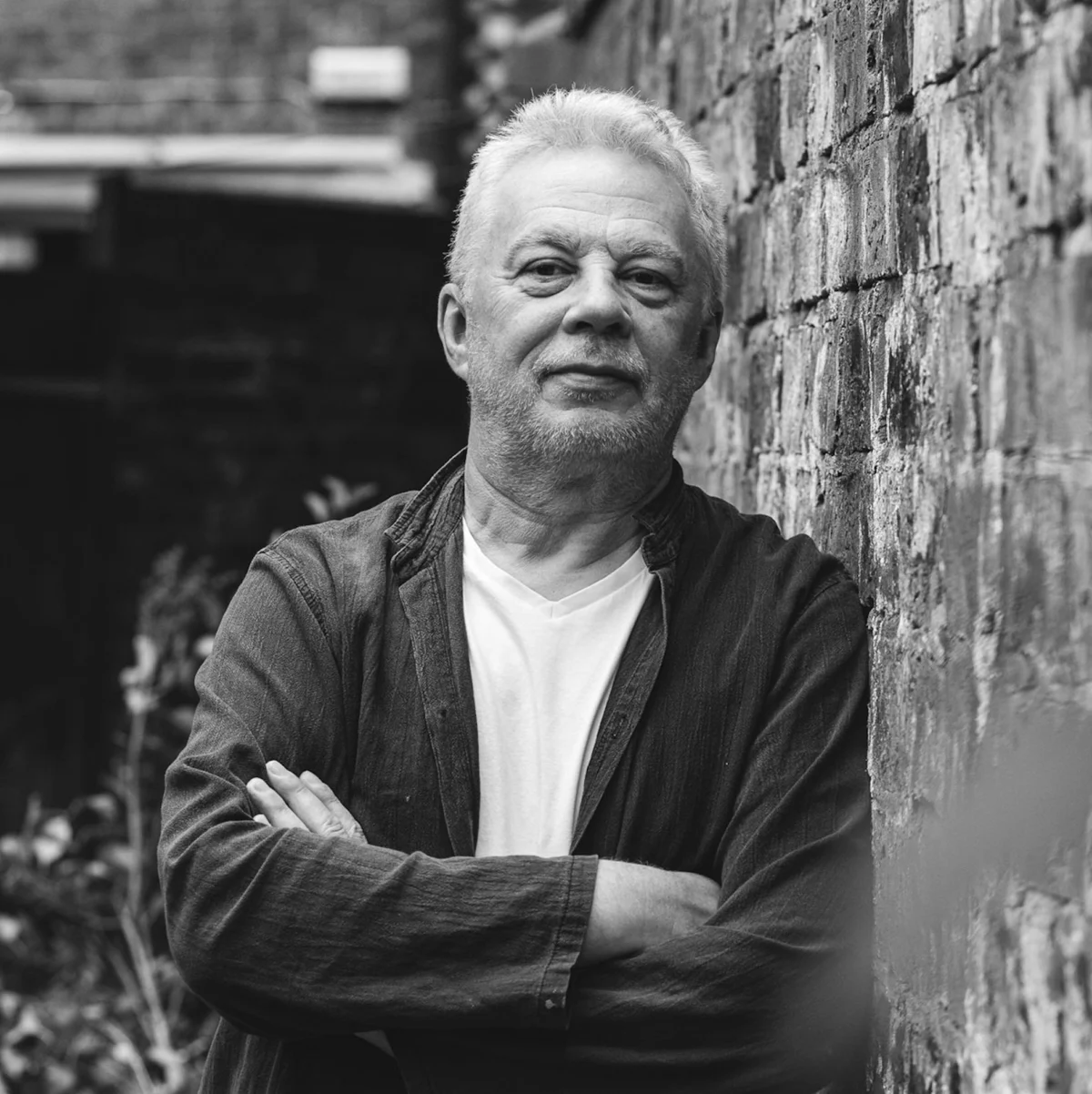
HangupsMusic.com – Glasgow, The global indie rock community is mourning the loss of a foundational figure in Scottish music following the announcement that John Douglas, the longtime guitarist, vocalist, and songwriter for the Trashcan Sinatras, has passed away. Douglas, who was 63 years old, died peacefully on Monday, August 3, 2026, leaving behind a profound musical legacy that spanned four decades. The news was confirmed by his bandmates in a poignant social media statement that highlighted the deep personal and professional bonds shared by the group.
The official statement, released by Francis Reader, Paul Livingston, Stephen Douglas, and Davy Hughes, described a scene of quiet dignity and musical tribute in Douglas’s final hours. According to the band, John was surrounded by his family and loved ones as he passed, with the room filled with the very songs and the "beautiful voice" that had defined his life’s work. The band noted that his death followed a brief illness, though they did not elaborate on the specific nature of his health struggles. The announcement has triggered an outpouring of grief from fans and fellow musicians who have long admired the Trashcan Sinatras for their sophisticated melodic sensibilities and poetic lyricism.
The timing of Douglas’s passing is particularly bittersweet for the band and their followers. Only four days prior to his death, the Trashcan Sinatras had celebrated the release of their seventh studio album, Ever the Optimist. This record marked a significant milestone for the Irvine-formed outfit, as it was their first full-length collection of new material in a decade. The album had been greeted with enthusiasm by a dedicated fanbase that had waited years for the group’s return to the studio. That Douglas lived to see the completion and release of this final work provides a small measure of comfort to those who followed his career, ensuring that his final artistic statements were heard by the world before his departure.
The story of John Douglas and the Trashcan Sinatras began in 1986 in the small town of Irvine, North Ayrshire. While the band was initially formed by a slightly different configuration, the definitive lineup coalesced shortly after its inception. John Douglas, along with his brother Stephen Douglas on drums and guitarist Paul Livingston, joined forces with vocalist Francis Reader and bassist Davy Hughes. This quintet would go on to become one of Scotland’s most respected musical exports, known for a brand of jangle pop that was as intellectually rigorous as it was emotionally resonant.
From the beginning, the Trashcan Sinatras occupied a unique space in the British music scene. While they emerged during the height of the indie-pop movement, they eschewed the brashness of some of their contemporaries in favor of intricate arrangements and a refined, often melancholic, songwriting style. Their debut album, Cake, released in 1990, featured the hit "Obscurity Knocks," a song that perfectly captured the band’s self-deprecating wit and melodic prowess. The track became a college radio staple in the United States and established the group as a cult favorite on both sides of the Atlantic.
However, it was their 1993 follow-up, I’ve Seen Everything, that truly solidified John Douglas’s reputation as a master of his craft. Often cited by fans and critics as the band’s masterpiece, the album showcased a maturing sound that was both lush and intimate. Recorded at the band’s own Shabby Road studio in Kilmarnock, the record felt like a labor of love, far removed from the polished commercialism of the early 90s charts. Douglas’s guitar work and his contributions to the group’s rich vocal harmonies were essential components of the record’s enduring appeal.
The mid-1990s and early 2000s were a period of both artistic triumph and professional hardship for Douglas and his bandmates. Despite the critical success of 1996’s A Happy Pocket, the band found themselves caught in the middle of industry upheaval. The collapse of their label, Go! Discs, and subsequent legal and financial complications led to a period of bankruptcy. Many bands would have folded under such pressure, but the Trashcan Sinatras, anchored by the familial bond between the Douglas brothers and their lifelong friends, chose to persevere. This resilience became a defining characteristic of John Douglas’s career.
During these lean years, the band’s "rollercoaster" journey, as Douglas himself described it, saw them move from major label backing to a more independent, fan-funded model. In a 2017 interview with AXS, Douglas reflected on these shifts with a characteristic lack of bitterness. He noted that while the music business had transformed beyond recognition since their Irvine beginnings, the internal dynamic of the band remained unchanged. He famously remarked that the band’s happiness was directly tied to their satisfaction with their music; if they were proud of their songs, they were happy with their lives. This philosophy sustained Douglas through decades of fluctuating fame and commercial obscurity.
John Douglas was not only a vital cog in the Trashcan Sinatras machine but also a songwriter of significant individual talent. While much of his best work was done within the collaborative framework of the band, he finally stepped into the spotlight as a solo artist later in life. His debut solo LP, released in 2024, was a stripped-back, introspective affair that allowed his voice and acoustic guitar work to take center stage. The record was seen as a late-career revelation, proving that Douglas’s creative well remained deep and productive even after nearly forty years in the industry. It offered fans a more personal glimpse into the mind of a man who had spent most of his life writing for a collective.
The impact of Douglas’s work can be measured in the fierce loyalty of the Trashcan Sinatras’ audience. Though they never achieved the massive commercial heights of some of their Scottish peers, they cultivated a "lifers" fanbase—listeners who found deep personal meaning in Douglas’s lyrics and the band’s intricate melodies. As Douglas noted in 2017, their records were sometimes difficult to find and rarely graced the mainstream airwaves, but those who did discover them tended to stay for the long haul. This sense of community was a source of great pride for Douglas, who valued the genuine connection between artist and listener over chart positions.
In the wake of his death, peers from across the Scottish music scene have begun to pay tribute to Douglas’s influence. His ability to blend the traditional folk sensibilities of his heritage with the modern textures of indie rock inspired a generation of songwriters. He was often described as a "musician’s musician," respected for his technical proficiency on the guitar and his uncanny ability to find the perfect harmony to elevate a chorus.
As the news of his passing continues to circulate, the final tracks of Ever the Optimist take on a new, unintended significance. The album, which was intended to signal a new chapter for the band, now serves as a final testament to Douglas’s enduring optimism and his unwavering commitment to his art. The title itself seems to reflect Douglas’s own outlook—a man who weathered the storms of the music industry with grace, humor, and an abiding love for the song.
John Douglas’s legacy is woven into the fabric of Scottish indie rock. From the early rehearsals in Irvine to the stages of international tours, he remained a constant, steadying presence for the Trashcan Sinatras. His brother Stephen, along with Francis, Paul, and Davy, have lost more than just a bandmate; they have lost a brother in every sense of the word. For the fans, the loss is equally profound, marking the end of an era for a band that felt like a well-kept secret shared among friends.
The band has requested privacy as they navigate this difficult time, though they have expressed their gratitude for the support of the public. Plans for any memorial services or tributes have not yet been announced, but it is certain that the music of John Douglas will continue to fill rooms, just as it did in his final hours on that Monday morning in August. Through seven studio albums, a solo debut, and countless performances, Douglas ensured that his voice would never truly be silenced. The "rollercoaster" may have come to a stop, but the songs he left behind remain as vibrant and essential as ever.
