
 By admin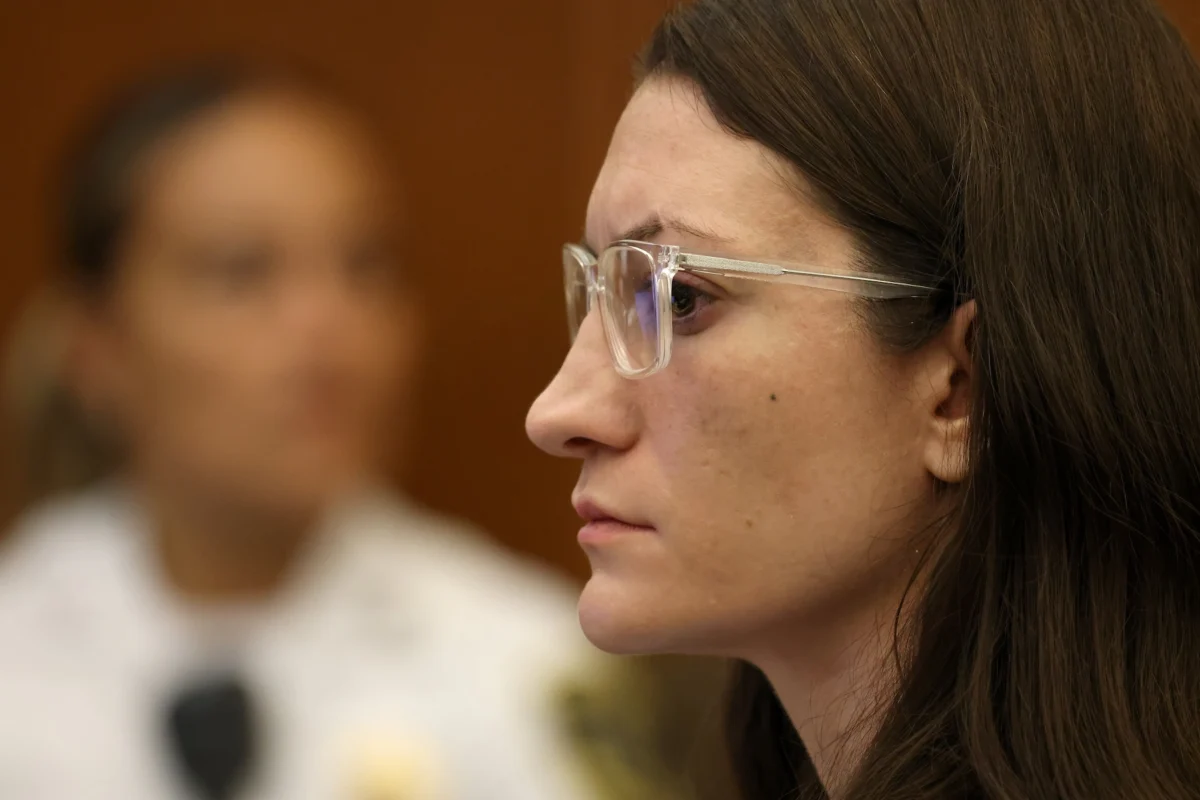
HangupsMusic.com – Plymouth, Massachusetts – A palpable tension filled the courtroom on Tuesday as Lindsay Clancy, the former labor and delivery nurse accused of the tragic deaths of her three young children, spoke aloud for the first time since her highly publicized murder trial began. Her voice, though soft, carried immense weight as she confirmed to Massachusetts Superior Court Judge William Sullivan her agreement to a critical "stipulation of facts," a procedural maneuver that could significantly alter the trajectory of the ongoing legal battle. This exchange, occurring on the sixth day of proceedings, brought a new dimension to a case already steeped in profound sorrow and complex questions surrounding mental health and criminal culpability.
The judicial inquiry from Judge Sullivan regarding her willingness to stipulate was met with Clancy’s concise affirmation: "Yes, your honor." This seemingly simple statement carries significant legal implications. A stipulation of facts is a formal agreement between opposing parties in a lawsuit that certain facts are true and do not need to be proven in court. In this instance, Clancy’s defense attorney, Kevin Reddington, confirmed that the agreed-upon facts primarily concern the intricate chain of custody for DNA evidence pertinent to the case. By entering this stipulation, the defense effectively concedes these specific evidentiary points, thereby negating the prosecution’s need to call a series of witnesses whose testimony would otherwise be required solely to establish the integrity and handling of that evidence. This strategic concession streamlines the trial process, potentially accelerating proceedings that were initially projected to span four to six demanding weeks.
Throughout the initial week of trial, live-streamed and closely monitored by numerous news outlets, Clancy has remained a quiet, often somber, presence beside her legal counsel. Her physical stillness in the courtroom has been punctuated by profoundly emotional moments that have visibly shaken her. Observers noted her breaking down in tears on multiple occasions, particularly during the presentation of the children’s clothing worn on the night of the incident – poignant reminders of the devastating loss – and the heart-wrenching playback of the 911 call placed by her then-husband, Patrick Clancy, on that fateful evening. These raw displays of emotion underscore the immense personal tragedy unfolding within the formal confines of the legal system.
Clancy faces grave charges in connection with the January 2023 deaths of her three young children: five-year-old Cora, three-year-old Dawson, and eight-month-old Callan. She has entered a plea of not guilty to these accusations. The harrowing events of that night culminated in Clancy’s attempt to end her own life by jumping from a window, an act that resulted in severe injuries leaving her paralyzed and now requiring the use of a wheelchair. While the physical acts leading to the children’s deaths are largely undisputed, the central legal question animating this trial is not whether Clancy committed the acts, but rather whether she possessed the legal capacity and criminal intent to be held responsible for them at the time.
The cornerstone of the defense’s strategy hinges upon the assertion that Clancy was suffering from severe postpartum psychosis following the birth of her youngest child. This rare and devastating mental health condition, distinct from less severe postpartum depression, is recognized by medical experts, including the National Institutes of Health, as a psychiatric emergency. Characterized by rapid onset, often within weeks of childbirth, postpartum psychosis can induce profound disturbances in mood, cognition, and behavior, leading to severe confusion, disorientation, delusions, and even vivid hallucinations. Individuals experiencing this condition can lose touch with reality, exhibiting irrational thoughts and actions that are profoundly out of character. The legal framework surrounding such a diagnosis in criminal cases often involves assessing whether the defendant was capable of forming criminal intent, a critical element for conviction.
Adding another layer of profound complexity and pathos to the proceedings is the unwavering support for Lindsay expressed by her ex-husband, Patrick Clancy. As the prosecution’s initial witness, Patrick delivered emotionally charged testimony, painting a stark picture of his wife’s deteriorating mental state in the weeks leading up to the tragedy. He recounted how her condition "kept getting worse and worse," describing a descent into a deeply troubled psychological state. In an act of remarkable public grace and compassion, Patrick Clancy has publicly stated his forgiveness for his ex-wife, a stance that has deeply resonated with many and underscores the family’s immense suffering beyond the courtroom’s legal battles. His testimony is crucial for the defense, providing a firsthand account of Lindsay’s struggles from a highly credible and personally impacted source, directly supporting the claim of diminished mental capacity.
Conversely, the prosecution maintains a steadfast position that Lindsay Clancy’s actions were deliberate and premeditated, executed with a clear and culpable state of mind. Their strategy seeks to dismantle the mental health defense by presenting evidence suggesting a calculated series of acts rather than an unraveling due to psychosis. Throughout the trial, prosecutors have meticulously questioned various first responders and medical professionals, seemingly probing the circumstances surrounding Clancy’s fall from the window. This line of questioning appears designed to scrutinize the legitimacy of her suicide attempt, potentially aiming to cast doubt on the severity of her mental distress or to imply a level of awareness and planning inconsistent with the extreme disassociation often associated with severe psychosis. The prosecution’s narrative aims to convince the jury that despite any underlying struggles, Clancy was fully aware of her actions and their consequences.
This trial transcends the specifics of one devastating family tragedy; it has ignited a broader national conversation regarding the critical importance of recognizing and treating perinatal mental illnesses, particularly the often-misunderstood and stigmatized condition of postpartum psychosis. The intense public interest reflects a societal grappling with the difficult intersection of severe mental health crises and the demands of criminal justice. It forces a contemplation of how the legal system should navigate cases where horrific acts are committed by individuals allegedly suffering from profound psychological breaks. The outcome of this case could not only determine Lindsay Clancy’s future but also contribute to the evolving legal discourse on mental illness defenses and potentially influence how similar cases are perceived and prosecuted in the future.
As the trial continues to unfold, the stipulation of facts offers a glimpse into the strategic maneuvering within a profoundly emotional legal contest. While it may expedite certain evidentiary processes, it does not diminish the central, harrowing question before the jury: was Lindsay Clancy legally responsible for her actions on that tragic night? As defense attorney Kevin Reddington poignantly stated early in the proceedings, "This whole case is an extreme tragedy," a sentiment that resonates deeply as the legal system grapples with such profound human suffering. With expert testimonies, emotional accounts, and rigorous cross-examinations still anticipated, the path to a verdict remains fraught with complex legal and ethical considerations. The fate of Lindsay Clancy, currently confined to a wheelchair, hangs in the balance, a poignant symbol of a family shattered and a community grappling with an unfathomable loss, all under the intense scrutiny of a nation seeking understanding and justice.
