
 By Azzam Bilal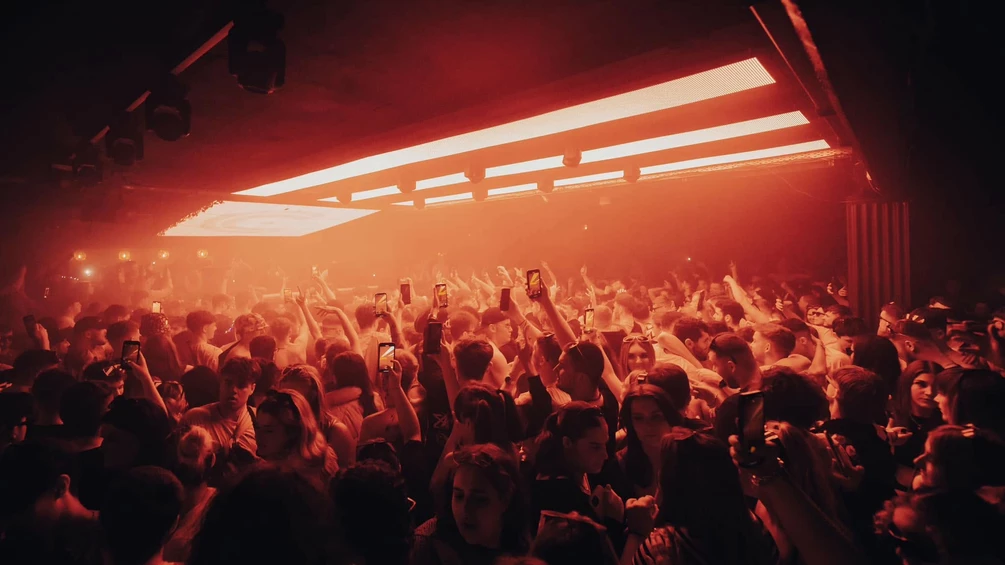
HangupsMusic.com – Sheffield, a city synonymous with industrial grit and a fiercely independent musical heritage, is preparing to bid a final farewell to one of its most steadfast nightlife institutions. Tank, the subterranean powerhouse located in the heart of the city center, has officially announced that it will cease operations this month. The news, which broke via an emotional social media statement, marks the end of a twelve-year residency that saw the venue evolve from a local basement spot into a nationally recognized hub for electronic music. For a city that has birthed everything from the experimental synth-pop of the 1980s to the high-octane energy of bassline in the 2000s, the loss of Tank represents more than just a closed door; it signifies a thinning of the cultural fabric that sustains Sheffield’s after-dark economy.
The announcement came on August 5th, with the venue’s management citing a familiar and devastating cocktail of "ever-growing costs and obstacles." Despite maintaining a reputation for packed floors and high-energy lineups, the financial reality behind the scenes had become untenable. The statement highlighted a fundamental tension in the modern nightlife industry: the desire to keep ticket and drink prices accessible for a predominantly student and working-class demographic while facing astronomical overheads. In the current economic climate, where utility bills, business rates, and talent fees have surged, the math simply no longer adds up for independent mid-sized venues. Tank’s team noted that while the club appeared to be thriving to the casual observer, the monthly "spiraling" costs had created a deficit that even a full refurbishment and a dedicated following could not bridge.
Opened in 2014, Tank occupied a unique physical and cultural space. Located on Arundel Gate, nestled between the Odeon Luxe cinema and the sprawling campus of Sheffield Hallam University, it was perfectly positioned to capture the energy of the city’s massive student population. With a capacity of roughly 400, it occupied the "Goldilocks zone" of clubbing—large enough to attract international touring DJs, yet small enough to maintain an intimate, high-pressure atmosphere. It was a venue where the walls often dripped with condensation, and the sound system was pushed to its limits, creating the "unbeatable atmosphere" that the owners took such pride in.
Throughout its decade-plus run, Tank became a sanctuary for the "Sheffield sound." While the city is often celebrated for its indie-rock history, its contribution to electronic music—specifically the bassline and niche genres—is equally significant. Tank leaned heavily into this heritage, providing a platform for local heroes while also branching out into house, techno, and UK garage. The artist roster over the years reads like a "who’s who" of modern dance music. It was a proving ground for the likes of Sammy Virji, whose meteoric rise in the global garage scene was mirrored by his frequent appearances at the club. Giants like Chase & Status, Flava D, and Shy FX brought the weight of drum and bass and jungle to the basement, while the tech-house sounds of Solardo, Eli Brown, and Gorgon City ensured the venue remained a destination for those seeking the more melodic side of the four-to-the-floor spectrum.
The closure of Tank is not an isolated incident but a symptom of a systemic crisis facing the UK’s grassroots music venues. The Night Time Industries Association (NTIA) and the Music Venue Trust (MVT) have long warned that the ecosystem is on the brink of collapse. The narrative of Tank—of a venue that looks "busy and thriving" from the outside while bleeding out financially—is one that is being echoed in every major city across the country. Earlier this year, London mourned the loss of Corsica Studios, a beloved experimental space in Elephant and Castle. Bristol’s The Underground met a similar fate at the end of 2023, and Manchester is already bracing for the scheduled 2027 closure of The White Hotel.
The challenges are multifaceted. Beyond the immediate impact of inflation, there has been a significant shift in consumer behavior. The "cost of living crisis" has forced many young clubbers to choose between a night out or essential weekly expenses. This has led to the rise of "pre-drinking" culture, which drastically reduces the bar revenue that clubs rely on to stay afloat. Furthermore, the gentrification of city centers often leads to noise complaints and increased regulatory pressure, making it harder for venues to operate without expensive soundproofing or legal battles. Tank’s management alluded to these "obstacles," suggesting that the path to sustainability was blocked by factors far beyond their creative control.
There is a bitter irony in the timing of the announcement. Only last month, the UK government unveiled a new support package aimed at revitalizing the high street, which included a 20% cut in business tax rates for clubs, pubs, and live music venues in England. For many in the industry, however, this intervention feels like "too little, too late." While a tax reduction is a welcome relief for those still standing, it does little to address the accumulated debt from the pandemic years or the immediate pressure of energy contracts that have tripled in price. For Tank, the "spiraling" monthly costs had already reached a point where a 20% tax break could not reverse the momentum toward closure.
The impact of this closure on Sheffield’s local economy and talent pipeline cannot be overstated. Independent venues like Tank serve as the research and development department of the music industry. They are the spaces where promoters take risks on new sounds and where young DJs get their first 2:00 AM slots. Without these mid-sized rooms, the gap between bedroom producing and playing massive festivals becomes an impassable chasm. Furthermore, the loss of a 400-capacity venue removes a vital rung on the touring ladder for artists who are too big for pub backrooms but not yet ready for the city’s larger O2 Academy.
As the news sinks in, the Sheffield community is preparing for one final weekend of celebration. The closing parties, scheduled for this coming Friday and Saturday, are expected to be high-emotion affairs. While the final lineup remains shrouded in mystery, the "Final Dance" on Saturday is already seeing a surge in ticket sales as regulars scramble to experience the Arundel Gate basement one last time. It will be a night of nostalgia, undoubtedly soundtracked by the heavy low-ends and sharp snares that defined the club’s identity.
Looking forward, the question remains: what happens to the space and the scene? Often, when a venue of this nature closes, the physical site is repurposed for student accommodation or office space, further erasing the cultural landmarks of the city center. For the promoters and staff who "gave it everything they had," the future is uncertain. The Tank team’s statement was a mix of pride and exhaustion, reflecting a group of people who fought a long battle against an unforgiving economic tide.
As the lights go up for the final time this weekend, Sheffield loses a piece of its modern soul. Tank was more than just a room with a sound system; it was a testament to the city’s enduring love for electronic music and its ability to foster a community in the most unlikely of places. While the "ever-growing costs" may have won this round, the legacy of the artists who played there and the memories of the thousands who danced there will remain a permanent part of Sheffield’s storied musical history. The industry at large would do well to take heed of Tank’s departure—a warning that even the most "thriving" venues are currently walking a razor’s edge.
