
 By Azzam Bilal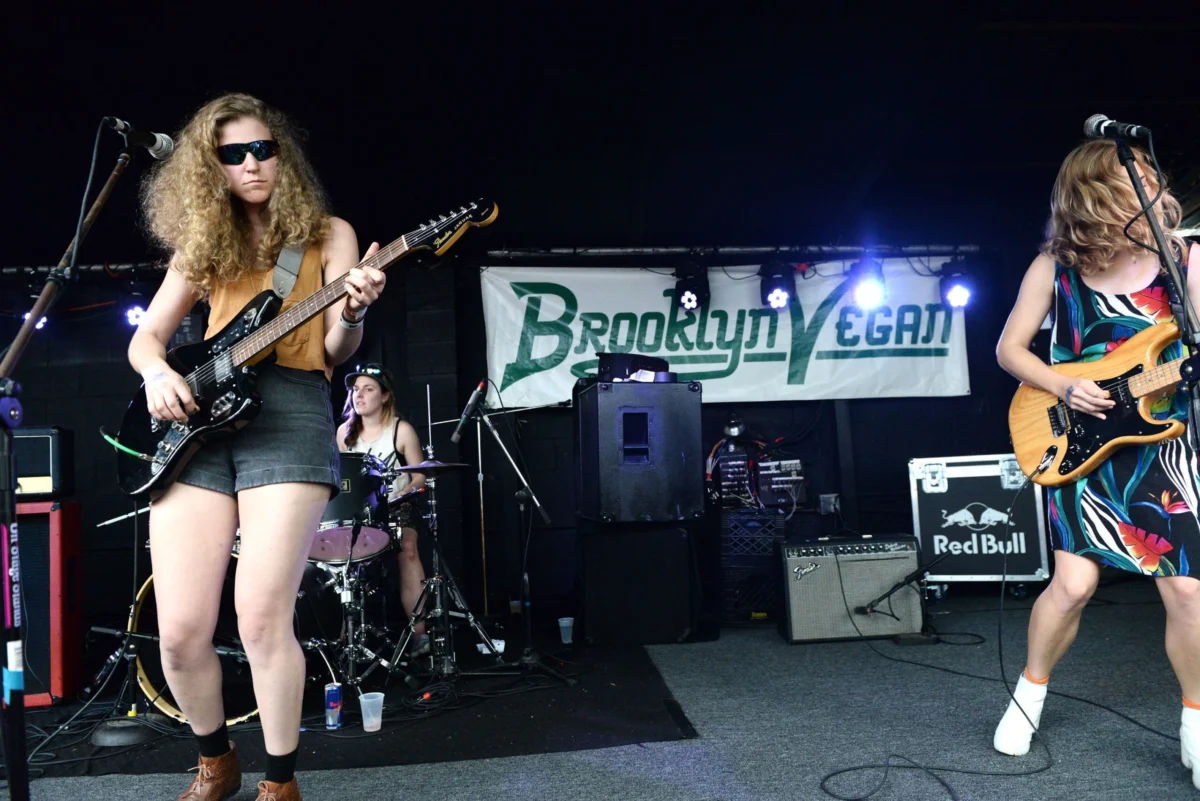
HangupsMusic.com – NEW YORK, The landscape of music journalism suffered a seismic shift this week as reports surfaced that several of the industry’s most enduring and influential publications have been effectively dismantled. BrooklynVegan, Alternative Press, Revolver, and Goldmine—four outlets that have served as the backbone of various music subcultures for decades—were reportedly gutted by their parent company, Veeps. According to multiple internal sources and social media accounts from affected employees, the majority of the editorial and support staff at these publications were laid off in a swift, unceremonious move that has left the future of these historic brands in doubt.
The news broke as automated email responses began to flood the inboxes of publicists and industry professionals. For many trying to reach editors at BrooklynVegan, the messages bounced back, signaling that the accounts had been deactivated. While some reports suggest that BrooklynVegan founder Dave Levine may still be associated with the brand in some capacity, the broader picture is one of a total clearance of the talent that built these platforms. The layoffs mark a grim chapter for Veeps, a company that has recently transitioned from a specialized livestreaming platform into a larger media conglomerate under the umbrella of Live Nation.
Veeps was originally established by Benji and Joel Madden, the brothers and founding members of the pop-punk band Good Charlotte. For years, the company operated as a successful ticketed livestreaming service, providing a vital bridge between artists and fans during the height of the COVID-19 pandemic. However, its expansion into the world of digital and print media appears to have been short-lived or, at the very least, radically restructured. The acquisitions of these publications occurred through a complex series of handovers involving companies like MDDN and Project M, with Veeps taking full control within the last year or two.
The reaction from the music industry was immediate and mournful. Jacob Daneman, a prominent publicist, voiced the frustrations of many when he took to social media to lament the loss of BrooklynVegan. He described the actions of Veeps as "bewildering" and "moronic," emphasizing that the publication provided unparalleled coverage that could not easily be replaced. This sentiment reflects a growing anxiety within the music world: as legacy media brands are swallowed by larger corporations, the focus often shifts from editorial integrity and community building to e-commerce and data-driven metrics.
To understand the magnitude of these layoffs, one must look at the storied histories of the publications involved. BrooklynVegan, founded by Dave Levine in 2004, emerged during a pivotal moment in New York City’s musical history. It was the era of the "garage rock revival," and the site became the definitive source for news on the burgeoning indie scene. Over the years, it expanded its scope to cover everything from heavy metal to hip-hop, maintaining a reputation for exhaustive tour listings and high-quality concert photography. Its comment section, while often controversial, was a digital town square for the most dedicated music fans in the world.
Alternative Press, or AP, carries an even longer legacy. Founded in Cleveland in 1985 by Mike Shea, the magazine was the "bible" for alternative and underground music for nearly four decades. It was the primary driver of the pop-punk and emo explosions of the early 2000s, serving as a kingmaker for bands like Fall Out Boy, My Chemical Romance, and Paramore. The magazine remained headquartered in Cleveland for the vast majority of its existence, symbolizing a Midwestern grit that was distinct from the coastal media hubs. Its acquisition by the Madden brothers’ company, MDDN, around 2020, was initially seen as a way to modernize the brand, but the recent gutting suggest a different trajectory.
Revolver and Goldmine represent other vital niches of the industry. Revolver, which launched in 2000, eventually pivoted to become the premier authority on hard rock and heavy metal. It was more than just a magazine; it was a lifestyle brand that hosted award shows and curated exclusive vinyl pressings. Goldmine, the oldest of the quartet, dates back to 1974. It began as a physical newspaper for record collectors and survived the transition to the digital age by leaning into the vinyl resurgence. For collectors, Goldmine was the gold standard for discographies and market values, a resource that documented the history of recorded music with academic precision.
The common thread among these outlets was their involvement with Project M, a digital media and e-commerce firm that sought to monetize the intersection of content and "merch." Project M had acquired these titles at various points, attempting to leverage their loyal audiences to sell records and apparel. When Veeps acquired these assets, many hoped that the livestreaming giant would provide the financial stability needed to keep the editorial side of the business thriving. Instead, the recent layoffs suggest that the parent company may be pivoting away from original journalism entirely, perhaps choosing to use the brand names merely as storefronts or promotional vehicles for Live Nation events.
This trend is not unique to the Veeps-owned titles. The broader music media landscape has been under siege for years. Earlier in 2024, the merger of Pitchfork into GQ by Condé Nast resulted in significant staff cuts and a perceived dilution of the site’s editorial independence. Similarly, Bandcamp, once seen as a bastion for independent artists, saw its editorial wing, Bandcamp Daily, heavily impacted by layoffs following its acquisition by Songtradr. The pattern is clear: large corporations are acquiring beloved music institutions for their brand recognition and SEO value, but they are increasingly unwilling to fund the human labor required to produce thoughtful, deep-dive journalism.
The loss of these editorial teams means the loss of institutional knowledge. The writers and editors at BrooklynVegan and Alternative Press weren’t just content creators; they were historians and tastemakers who spent years building relationships with artists and labels. They provided a platform for smaller bands that were often ignored by mainstream outlets. Without their advocacy, the path to discovery for new artists becomes significantly narrower, dictated more by algorithmic playlists than by critical curation.
Furthermore, the "unceremonious" nature of the layoffs has drawn sharp criticism. In an industry built on passion and community, the cold, corporate execution of these cuts feels like a betrayal of the values these magazines represented. For decades, these publications survived through the transition from print to digital, the rise of social media, and the collapse of the traditional advertising model. To see them "gutted" by a company founded by musicians—who themselves benefited from the coverage provided by these very outlets—is a bitter irony that has not been lost on the public.
As of now, the websites for BrooklynVegan, Alternative Press, Revolver, and Goldmine remain active, but they are likely to become ghost ships or shells of their former selves. If the editorial staff is truly gone, the content that remains will likely be automated or outsourced, lacking the voice and perspective that made these sites essential reading. The "Veeps era" of these brands appears to be starting with a scorched-earth policy, leaving many to wonder if the brands themselves can survive such a drastic loss of identity.
The industry now waits for an official statement from Veeps or Live Nation. Pitchfork and other outlets have reached out for comment, but the silence from the corporate offices has been deafening. For the writers who spent their careers chronicling the highs and lows of the music world, the end came not with a final editorial or a farewell issue, but with a bounced email and a locked account. It is a stark reminder of the volatility of modern media and the fragile state of the institutions that document our culture. In the wake of these layoffs, the music community is left to contemplate a future where the stories behind the songs are increasingly silenced in favor of the bottom line.
