
 By Azzam Bilal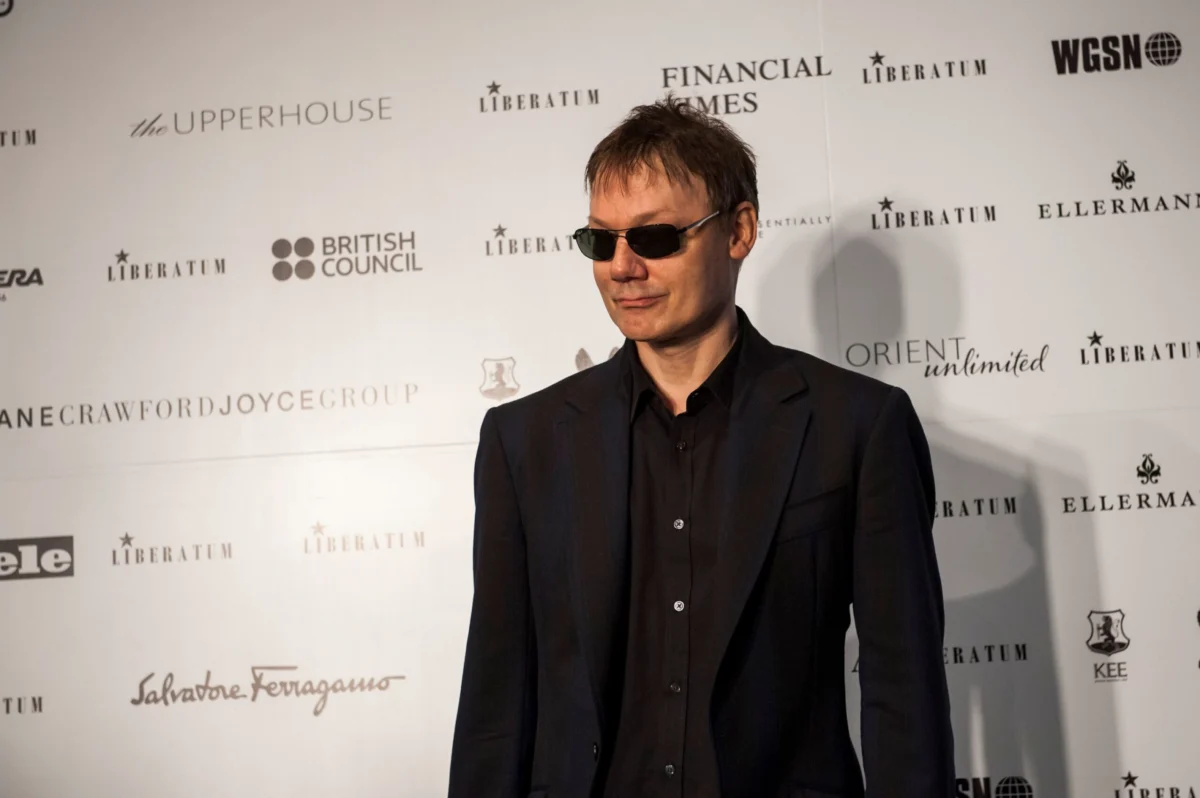
HangupsMusic.com – London, The global electronic music community is mourning the loss of William Orbit, a visionary producer and composer whose innovative approach to sound transformed the landscape of modern pop and electronica. Orbit, born William Wainwright, passed away at his home on July 23, 2026, at the age of 69. The news was confirmed via a poignant statement released by his family on social media, describing him as a man whose "music, friendship, and kindness" touched countless lives. While no specific cause of death was disclosed, the outpouring of grief from peers and fans alike underscores the profound vacuum left by the departure of one of contemporary music’s most singular architects.
Orbit’s journey from the fringes of the London underground to the pinnacle of the global charts is a testament to the power of sonic curiosity. Born in North London in 1956, he was a self-taught talent who rejected traditional academic paths, dropping out of school at 16. His early years were defined by the grit and creative ferment of the London squatting scene, an environment that allowed him to experiment with the emerging synthesizers and recording technologies of the late 1970s. It was here that Orbit developed the "crooked" and "otherworldly" aesthetic that would later become his signature. In 1980, he co-founded the ambient electronic trio Torch Song alongside Laurie Mayer and Grant Gilbert. Though Torch Song remained a cult favorite, their 1984 debut album, Wish Thing, served as a critical calling card, showcasing Orbit’s ability to blend atmospheric textures with rhythmic precision. This early work caught the attention of Hollywood, leading to his involvement in the soundtrack for the 1986 film Youngblood, an ice hockey drama that served as an early showcase for his cinematic sensibilities.
However, it was his intersection with the world of high-gloss pop that would cement his legend. In the early 1990s, Orbit began a series of collaborations with Madonna, initially as a remixer for provocative singles like "Erotica" and "Justify My Love." At the time, Madonna was looking to pivot away from the polished R&B sounds of her Bedtime Stories era. Seeking a more experimental, European edge, she reached out to Orbit to helm the production of her 1998 magnum opus, Ray of Light. The resulting album was nothing short of a cultural earthquake. By fusing elements of acid house, trip-hop, and ambient techno with traditional pop songcraft, Orbit helped Madonna achieve a spiritual and sonic rebirth. The title track, "Ray of Light," remains a masterclass in electronic production, characterized by its frantic energy and shimmering layers of sound. The album earned three Grammy Awards and is widely cited as the moment electronic dance music (EDM) truly integrated into the mainstream pop consciousness.
The relationship between Orbit and Madonna was more than just a professional partnership; it was a creative alchemy that redefined both of their careers. In a moving tribute following his passing, Madonna reflected on the "epiphany" she experienced while working with him. She described how Orbit "pressed a magic button" within her, allowing her to explore vocal ranges and lyrical themes she had never previously dared to touch. "The studio was often church-like," she recalled, describing a process where she would sit in silence, waiting for Orbit’s "genius" to explode from his keyboards or guitar. She credited him with providing the "magic carpet" that allowed her to navigate the complexities of motherhood and fame during a pivotal chapter of her life. Their collaboration continued over the decades, with Orbit contributing to her 2000 album Music and 2012’s MDNA, though many fans agree that the lightning-in-a-bottle magic of the Ray of Light sessions was a once-in-a-generation occurrence.
Beyond his work with the Queen of Pop, Orbit’s influence permeated the 1990s and early 2000s through a variety of high-profile projects. He was instrumental in the career of folk-electronica pioneer Beth Orton, helping to shape the hybrid sound that would define her early releases. In the world of Britpop, Orbit was the unconventional choice to replace longtime producer Stephen Street for Blur’s 1999 album, 13. Moving away from the bright, guitar-driven sounds of their earlier work, Orbit guided the band toward a darker, more experimental palette, resulting in tracks like the gospel-tinged "Tender" and the sprawling, psychedelic "Coffee & TV." His ability to take established acts and push them into uncomfortable, yet rewarding, new territories became his hallmark.
Orbit also found massive commercial success with the British girl group All Saints. He produced two of the era’s most iconic UK No. 1 hits: the ethereal, water-inspired "Pure Shores"—which became the defining track of the film The Beach—and the moody, sophisticated "Black Coffee." These songs proved that Orbit could apply his avant-garde sensibilities to the most commercial of formats without losing the soul of the music. Throughout his career, he also maintained a prolific solo output, releasing seven studio albums that explored the depths of ambient and classical-electronic fusion. His Strange Cargo series remains a staple for fans of atmospheric music, while his final studio effort, 2022’s The Painter, showed that even in his late 60s, he had lost none of his vibrant, color-saturated approach to sound design.
The tributes that have poured in since the announcement of his death paint a picture of a man who was as humble as he was talented. Artists from across the electronic spectrum, including Arca, Kelly Lee Owens, and Alison Goldfrapp, have cited Orbit as a primary influence. Mel C of the Spice Girls and singer Katy B also shared personal anecdotes. Katy B remembered a session at Orbit’s studio where, despite her nerves, she was met with a man who was "warm, unassuming, and genuinely curious." This sense of curiosity was perhaps Orbit’s greatest strength. He never viewed electronic music as a cold or mechanical pursuit; to him, the synthesizer was as expressive as a violin, and the computer was a tool for capturing human emotion in its most abstract forms.
Orbit’s legacy is one of bridge-building. He bridged the gap between the underground rave scene and the Top 40 charts; between the organic warmth of a guitar and the digital shimmer of a workstation; and between the "crooked" imperfections of a reclusive genius and the polished demands of global superstardom. He was a producer who didn’t just record songs; he built environments. When you listen to a William Orbit production, you are not just hearing music; you are stepping into a specific atmosphere—one that is often melancholic, always beautiful, and perpetually "otherworldly."
As the music industry reflects on his five-decade career, it is clear that William Orbit was more than just a producer for hire. He was a sonic philosopher who believed that music did not need to be confined by genres or categories. He taught a generation of listeners and artists that pop music could be deep, that electronic music could be soulful, and that the most beautiful sounds often come from the most unexpected places. He leaves behind a body of work that continues to glow with the same "Ray of Light" he captured so many years ago. In the words of his longtime collaborator Madonna, he has finally "fallen down the rabbit hole" for the last time, leaving the rest of us to marvel at the galaxy of dreams he left behind. His music remains a magic carpet for all who wish to fly, a testament to a life spent chasing the sublime within the wires.
