
 By admin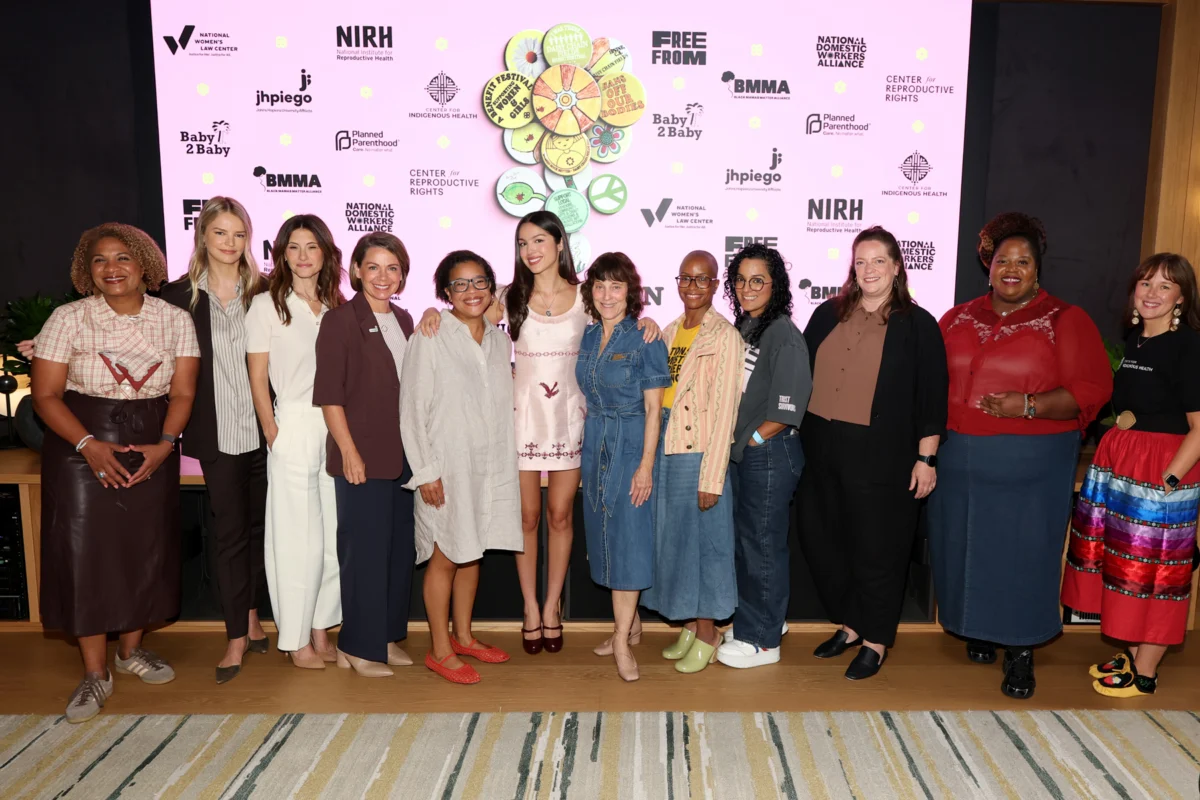
HangupsMusic.com – Olivia Rodrigo’s visionary Daisy Chain Fields Festival has already made an indelible mark on the landscape of music and philanthropy, announcing an astounding $10 million in pre-festival donations earmarked for a diverse array of organizations dedicated to uplifting women and girls. This remarkable financial achievement, revealed on the eve of the inaugural event, underscores the profound commitment of Rodrigo and her collaborators to translate artistic influence into tangible societal change, setting a new precedent for artist-driven activism within the entertainment industry.
The festival, conceived by the multi-platinum recording artist, transcends the typical concert experience, positioning itself as a powerful platform for collective action. Rodrigo articulated the core philosophy behind Daisy Chain Fields, stating that its inception was rooted in celebrating the transformative power that emerges when individuals unite in mutual support. Her gratitude extended broadly, acknowledging every concertgoer who purchased a ticket, every artist who generously waived their performance fee, and every sponsor who placed their faith in a brand-new festival with a potent mission. This collective effort, she emphasized, was instrumental in reaching the impressive $10 million milestone, a fund specifically designated to champion the rights and well-being of women and girls, both domestically and across the globe.
The allocation of these substantial proceeds reflects a meticulously curated approach to addressing critical issues facing women and girls today. All net earnings from Daisy Chain Fields are slated for distribution among ten distinct nonprofit organizations, each tackling unique facets of empowerment and support. Among these is Baby2Baby, an organization dedicated to providing essential resources such as diapers, formula, clothing, and food to children living in poverty. Their work directly impacts the stability and health of families, often headed by women, ensuring fundamental needs are met during vulnerable periods. The Black Mamas Matter Alliance, another key beneficiary, focuses on the urgent crisis in Black maternal health, advocating for equitable care, resources, and policy changes to improve outcomes for Black mothers before, during, and after pregnancy. Their efforts are vital in combating systemic disparities that disproportionately affect Black women.
Further cementing the festival’s commitment to gender justice is its partnership with the National Women’s Law Center, a leading force in the fight for gender equity across the United States. This organization works tirelessly through litigation, policy advocacy, and public education to protect and advance the rights of women and girls in areas ranging from workplace equality and education to economic security and reproductive freedom. The festival’s robust support for reproductive rights and healthcare access is evident through its partnerships with the Center for Reproductive Rights, an organization that uses legal advocacy to advance reproductive freedom as a fundamental human right worldwide; Jhpiego, a global health non-profit affiliated with Johns Hopkins University that improves the health of women and families in low-resource settings; and the Johns Hopkins Center for Indigenous Health, which works to address health disparities and promote well-being within Indigenous communities, including critical aspects of reproductive health. Planned Parenthood and the National Institute for Reproductive Health are also significant recipients, both pivotal in providing comprehensive reproductive healthcare services, education, and advocating for policies that ensure access to vital health services for all individuals.
Beyond healthcare and fundamental needs, Daisy Chain Fields also extends its reach to support survivors of gender-based violence and vulnerable workers. FreeFrom, an organization empowering survivors of domestic violence to achieve financial independence and stability, is a crucial partner. Their holistic approach helps survivors rebuild their lives free from abuse. Concurrently, the National Domestic Workers Alliance, which advocates for the rights and recognition of domestic workers—a workforce predominantly composed of women and often marginalized—will also benefit. This comprehensive selection of beneficiaries underscores a multifaceted strategy to address systemic inequities and foster environments where women and girls can thrive in every aspect of their lives.
In a poignant press conference held prior to the festival, Rodrigo openly acknowledged the profound influence of Lilith Fair, a trailblazing festival from the late 1990s, recognizing it as the foundational inspiration for Daisy Chain Fields. She reflected on the historical skepticism faced by the women behind Lilith Fair, who were told that female-led festivals would fail to attract audiences or secure sponsorship. "Before Lilith Fair," Rodrigo stated, "women were told that they couldn’t lead a festival, that no one would come, that they couldn’t get sponsors, and those women proved everyone wrong." This groundbreaking event, spearheaded by Sarah McLachlan, not only defied industry expectations but also irrevocably shifted perceptions, demonstrating the immense commercial and cultural power of female artists.
Rodrigo emphasized that thanks to these "trailblazers," the current landscape for women in music festivals is dramatically different. Today, female artists routinely headline major festivals and sell out arenas, a testament to the legacy forged by Lilith Fair. Rodrigo expressed immense gratitude for the camaraderie within the music community, highlighting that many of the top female artists currently dominating the charts and stages are not only her peers but also her friends. She recounted how, upon conceptualizing Daisy Chain Fields, she personally reached out to many of these artists, describing her overwhelming response to their immediate enthusiasm and unwavering commitment. These women, many of whom are engaged in their own demanding tours and projects, readily agreed to participate, understanding the profound impact of uniting for a cause greater than individual acclaim. Their collective decision to perform, with 100% of the net proceeds dedicated to organizations supporting women and girls, is a powerful demonstration of solidarity and shared purpose that resonates deeply with the festival’s ethos.
The lineup for Daisy Chain Fields is a testament to this spirit of unity and intergenerational support, boasting an eclectic mix of iconic figures and contemporary powerhouses. Olivia Rodrigo herself will deliver a headlining performance, anchoring a day filled with diverse musical offerings. The roster features pioneering acts such as the legendary riot grrrl band Bikini Kill and alternative rock stalwarts Garbage, whose enduring influence continues to inspire. Indie rock darlings The Breeders and the distinctive Santigold also bring their unique sounds to the stage. Newer voices and rising stars include the effervescent Chappell Roan, whose theatrical pop has captivated audiences; the dynamic Doechii, known for her genre-bending artistry; the soulful Rachel Chinouriri; and the emerging talent Devon Again. The inclusion of Mitski, a critically acclaimed artist celebrated for her poignant songwriting and captivating performances, further enriches the festival’s artistic breadth.
Adding an extraordinary layer of historical significance and mentorship, the festival welcomes special guest appearances from a triumvirate of legendary women in music: Karen O, the iconic frontwoman of the Yeah Yeah Yeahs; Sarah McLachlan, the visionary founder of Lilith Fair herself; and Stevie Nicks, the inimitable voice of Fleetwood Mac. Their presence not only elevates the festival’s star power but also symbolizes a powerful passing of the torch, connecting generations of female artists united by a shared commitment to artistic expression and social change. While the K-Pop group Katseye regrettably withdrew from the lineup due to one member’s injury, the remaining ensemble forms a formidable and inspiring collective.
Daisy Chain Fields is poised to be more than just a music festival; it is a profound statement. It is a vibrant demonstration of how artistic platforms can be leveraged for significant philanthropic impact, creating a blueprint for future events that seek to blend entertainment with meaningful social advocacy. Rodrigo’s initiative serves as a powerful reminder of the collective strength inherent in communities, whether forged by artists, fans, or dedicated organizations, all working in concert towards a more equitable and empowered future for women and girls worldwide. The $10 million raised before the first chord is even struck is merely the beginning of what promises to be a lasting legacy of change.
