
 By Azzam Bilal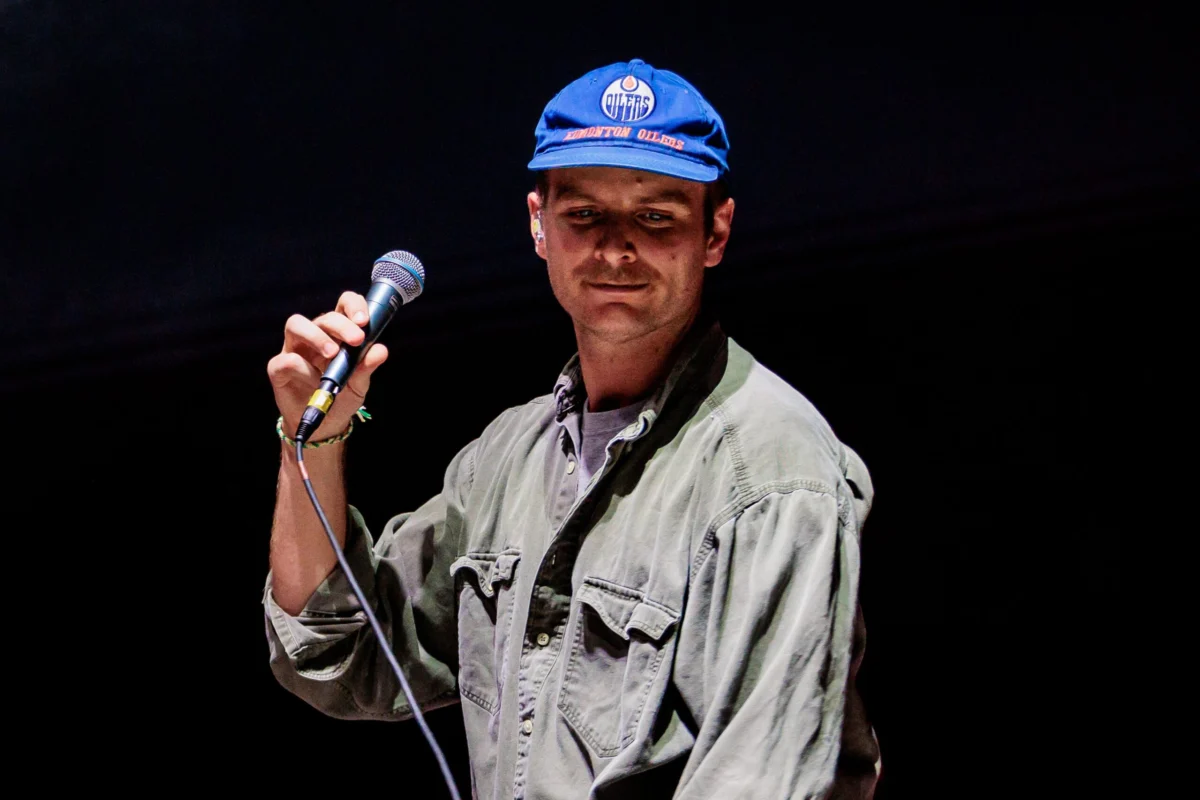
HangupsMusic.com – LOS ANGELES, Mac DeMarco has once again disrupted the conventional rhythm of the music industry, surprising his global fanbase with the simultaneous release of four new albums. The prolific singer-songwriter, known for his laid-back "jizz jazz" aesthetic and unconventional approach to career management, delivered a windfall of new material on Friday that blends the line between official studio output and archival discovery. The four projects—titled Dog on the Rock, Seven Off the Two, Seaplane Dog, and The View From Tian Tian—represent a significant expansion of DeMarco’s already massive digital footprint, offering listeners a raw, unfiltered look into his creative evolution.
While the arrival of these albums on Digital Service Providers (DSPs) like Spotify and Apple Music came as a shock to many, a dedicated subset of the DeMarco community was already familiar with the material. During his most recent concert tour, the artist took the unusual step of hand-delivering physical copies of these projects to fans in the form of burned CD-Rs. This grassroots distribution method harks back to the early days of indie rock and the "lo-fi" movement, where physical artifacts were passed hand-to-hand, creating a sense of intimacy and exclusivity between the artist and the audience. By transitioning these recordings from rare physical tokens to widely accessible streaming assets, DeMarco has effectively democratized his "tour-only" rarities.
The four albums maintain the "scrappy" and unpolished production quality that defined their initial CD-R origins. Eschewing the high-gloss production of contemporary pop, DeMarco continues to lean into a DIY ethos that prioritizes atmosphere and spontaneity over technical perfection. This aesthetic is further emphasized by the tracklists; rather than traditional song titles, each track is identified by a seemingly random sequence of numbers. This naming convention follows the precedent set by his gargantuan 2023 release, One Wayne G, which featured 199 tracks named primarily after the dates they were recorded. The use of numeric titles suggests a diaristic approach to songwriting, where the music serves as a chronological timestamp of DeMarco’s life and travels rather than a curated collection of commercial singles.
The release of this quartet of albums comes on the heels of his 2025 project, Guitar, an album that signaled a continued shift toward instrumental experimentation and minimalist arrangements. Since the release of his breakthrough albums 2 and Salad Days in the early 2010s, DeMarco has gradually moved away from the hook-heavy indie-pop that made him a household name. His recent work has leaned into ambient textures, bossa nova rhythms, and a "less is more" philosophy. Dog on the Rock, Seven Off the Two, Seaplane Dog, and The View From Tian Tian appear to be a continuation of this journey, capturing the artist in various states of repose and exploration.

The visual identity of these new releases also provides insight into DeMarco’s current headspace. The cover art for Dog on the Rock features a serene, naturalistic image of a canine perched upon a coastal outcrop, overlooking a vast expanse of water. This imagery mirrors the quiet, contemplative nature of the music itself. Similarly, the artwork for Seven Off the Two depicts wildlife in a muted, earthy setting, reinforcing a theme of connection to the natural world. These visual cues suggest that the music was likely conceived during DeMarco’s travels or in moments of quiet isolation, away from the frantic energy of the music industry’s metropolitan hubs.
Analyzing the four-album drop requires an understanding of DeMarco’s unique position in the modern musical landscape. In an era where most artists are pressured by labels to release highly polished, algorithmic-friendly singles, DeMarco has opted for a "volume-over-curation" strategy. By releasing hours of music at once, he challenges the listener to find their own meaning within the vast soundscape. It is a move that demystifies the creative process, showing that for DeMarco, making music is a constant, daily activity rather than a rare event reserved for high-stakes studio sessions.
Dog on the Rock and Seaplane Dog seem to function as thematic siblings, perhaps recorded during the same period of time. The titles evoke a sense of movement and geography, suggesting a "travelogue" style of composition. Fans who have begun dissecting the numeric tracklists have noted that the recordings feel like a bridge between the structured songwriting of This Old Dog and the free-form sketches found on Five Easy Hot Dogs. There is a palpable sense of place in these recordings—the hum of a room, the creak of a chair, and the distinct warmth of analog equipment are all left in the final mix, giving the listener the feeling of sitting in the room with DeMarco as he works.
The View From Tian Tian offers a different perspective, with a title that hints at international influences or perhaps a specific location visited during a recent tour of Asia. DeMarco has long been a global wanderer, and his music often reflects the different environments in which it was captured. Whether recorded in a hotel room in Tokyo or a makeshift studio in Los Angeles, the music maintains a consistent "Mac-isms"—the detuned guitars, the soft-focus synthesizers, and the steady, understated percussion.
The industry implications of this release are also noteworthy. By bypassing the traditional "lead single" and "album announcement" cycle, DeMarco is leveraging his massive, loyal following to dictate his own terms. He no longer needs the machinery of a major label to generate hype; the mere act of uploading his files to a distributor is enough to send ripples through the music press and social media. This "direct-to-fan" philosophy, which began with his departure from Captured Tracks to form his own imprint, Mac’s Record Label, has reached its logical conclusion with this surprise quadruple-drop.

For the casual listener, the sheer volume of music—coming so soon after the 2025 release of Guitar—might feel overwhelming. However, for the DeMarco "completist," these albums are a treasure trove of insight. They provide the connective tissue between his major statements, showing the evolution of a melody or the refinement of a particular guitar tone. The numeric titles, while seemingly obscure, allow the music to speak for itself without the baggage of a descriptive name. It is a pure, unadorned listening experience.
As the music community spends the coming weeks deconstructing these hundreds of new minutes of audio, one thing is clear: Mac DeMarco is in a period of unprecedented productivity. He has transformed from a quirky indie icon into a prolific archivist of his own life. By releasing these four albums—Dog on the Rock, Seven Off the Two, Seaplane Dog, and The View From Tian Tian—he has once again invited his audience to join him on a long, winding, and endlessly fascinating sonic journey. Whether these recordings are viewed as a "data dump" or a profound artistic statement, they reinforce DeMarco’s status as one of the most authentic and unpredictable voices of his generation.
The arrival of these albums on streaming platforms marks the end of their life as "secret" CD-Rs and the beginning of their life as part of the permanent indie rock canon. As fans hit play on the first track of Dog on the Rock, they aren’t just hearing a new song; they are stepping into the private world of an artist who has mastered the art of being both incredibly famous and remarkably accessible. With more music released in the last few years than most artists release in a lifetime, Mac DeMarco shows no signs of slowing down his quest to capture every fleeting musical thought, one numbered track at a time.
