
 By Azzam Bilal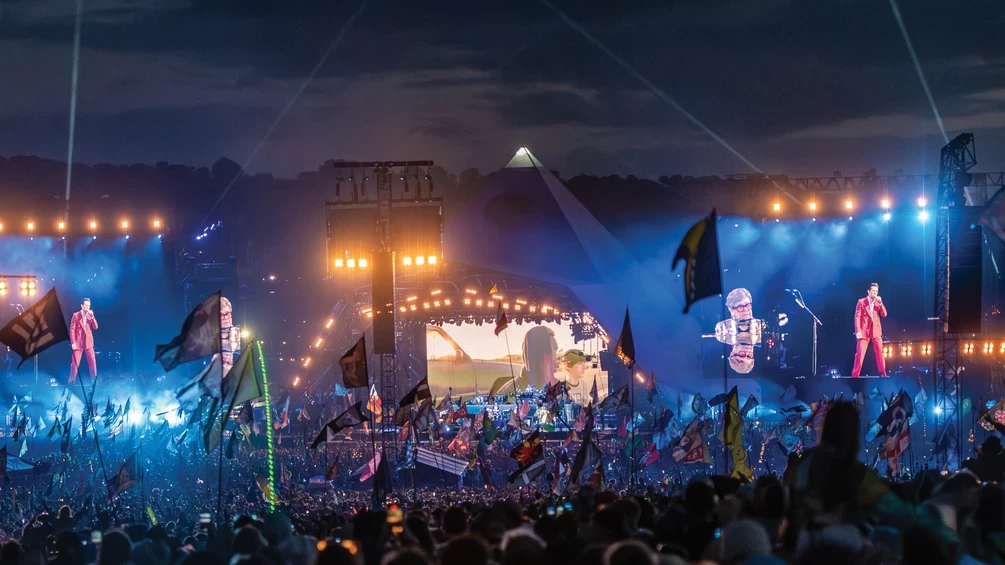
HangupsMusic.com – PILTON, Somerset, Following a scheduled hiatus for the land to recover, the world’s most iconic music festival is preparing for its grand return. Organizers for Glastonbury Festival have officially confirmed the ticketing timeline and pricing structure for the 2027 edition, marking a significant moment in the event’s half-century history. As the festival enters a new cycle after its 2026 "fallow year," fans are bracing for both the usual competitive scramble for passes and a notable shift in the cost of attendance. For the first time in the event’s existence, the price of a standard weekend ticket has officially breached the £400 mark, reflecting broader economic shifts within the global live music industry.
The 2027 iteration of the festival is scheduled to take place from Wednesday, June 23rd, through Sunday, June 27th. As is tradition, the gates of Worthy Farm will swing open in the middle of the week, allowing a city of roughly 200,000 people to rise from the Somerset mud. However, the journey to the Pyramid Stage begins much sooner for hopeful attendees. Organizers have announced that the first opportunity to secure a spot will occur next month. Tickets bundled with coach travel will go on sale at 6:00 PM BST on Thursday, October 1st. This will be followed by the general admission sale, which includes standard tickets and a required deposit, on Sunday, October 4th.
The announcement of the £408 price tag—a jump from the £378.50 charged for the 2025 event—has sparked widespread discussion regarding the accessibility of major music festivals. This figure includes a £5 booking fee, but it represents a steep trajectory when viewed through a historical lens. According to data tracking the UK festival market, ticket prices for the Pilton gathering have surged by approximately 30% over the last decade. In 2013, a ticket cost roughly £85 less than the upcoming 2027 price. This inflationary trend is not unique to Glastonbury; it mirrors a wider crisis in the UK festival circuit where rising production costs, increased security requirements, and the skyrocketing fees of headlining artists have forced many smaller events to shutter permanently.
Despite the price hike, the value proposition of Glastonbury remains unique in the entertainment world. A single ticket provides more than just entry; it offers five nights of camping and access to a sprawling cultural landscape featuring over 4,000 performances across more than 100 distinct stages. Unlike many commercial festivals that charge extra for various "zones" or experiences, a Glastonbury pass is a holistic entry into a temporary city that includes film screenings, circus acts, political debates, healing fields, and late-night electronic music hubs. Furthermore, the festival maintains its status as a non-profit powerhouse. A significant portion of the ticket revenue is funneled directly into its long-standing charitable partnerships with organizations such as Oxfam, Greenpeace, and WaterAid. This philanthropic backbone remains a core part of the festival’s identity, distinguishing it from corporate-led music events.
The 2027 event follows the 2026 fallow year, a practice established by Michael and Emily Eavis to prevent permanent damage to the land and to give the local residents of Pilton a reprieve from the massive influx of visitors. This break often serves to heighten anticipation, making the subsequent year’s ticket sale even more frenetic. The most recent festival in 2025 set a high bar for the 2027 return, featuring a diverse lineup that spanned the genres of pop, electronic, and alternative music. High-profile sets from Charli XCX, The Prodigy, and Overmono were highlights of the 2025 circuit, alongside performances from Floating Points, Four Tet, and the legendary Gary Numan. The festival’s continued relevance was recently cemented when it was ranked at number nine in the prestigious Top 100 Festivals poll for 2026, a testament to its enduring global influence.
Beyond the logistical updates, the festival continues to celebrate its rich heritage. Music historians and long-time attendees are currently looking forward to the release of Orbital’s legendary 1994 closing set on the NME Stage. That performance is widely credited with legitimizing electronic dance music at a festival that was previously dominated by rock and folk. Emily Eavis, who was just 14 years old at the time, famously remarked that the set felt like "the start of something new." Now, London Records is set to release that iconic performance on vinyl and digital formats for the first time later this month, offering a nostalgic bridge to the festival’s transformative years.
As the October sale dates approach, the "Glastonbury registration" system remains the first hurdle for fans. To combat touting and unauthorized reselling, every ticket is linked to a photograph of the attendee. Anyone hoping to buy a ticket must have been registered on the festival’s official database well in advance. This system, while rigorous, ensures that tickets remain at face value and reach genuine fans rather than secondary market scalpers. For those who miss out in October, a limited resale of cancelled tickets typically takes place in the spring of the festival year, though these usually sell out within minutes.
The conversation surrounding the 2027 price point also touches on the "cost of living" challenges currently facing the UK. While £408 is a significant investment for a single weekend, supporters of the festival argue that the per-hour cost of entertainment remains lower than that of a standalone stadium concert by a major pop star, which can often exceed £150 for a two-hour show. At Glastonbury, the music runs nearly 24 hours a day across the diverse areas of the site, from the high-octane energy of the Silver Hayes dance area to the acoustic intimacy of the Strummerville campfire.
Preparation for 2027 is already visible in other media forms as well. A recently highlighted photobook has captured the unique atmosphere of the festival’s "after-hours" culture, specifically documenting the revellers who populate the site between 4:00 AM and 8:00 AM. This "liminal" period of the festival—when the main stages are silent but the creative fringes are at their most vibrant—remains a draw for many who view Glastonbury as a rite of passage rather than just a series of concerts.
For the Eavis family, the 2027 festival will be another chapter in a story that began in 1970 with a few hundred people and free milk from the farm. Today, the scale is vastly different, but the ethos of "the Worthy Farm way" persists. As the industry watches to see how the public reacts to the £400 threshold, the demand for tickets is expected to remain at record highs. The combination of a year-long break in 2026 and the festival’s reputation for world-class curation suggests that the October sale will once again see hundreds of thousands of people refreshing their browsers in the hope of securing a piece of music history.
Prospective attendees are encouraged to visit the official Glastonbury website to ensure their registration details are up to date before the October 1st deadline. With the 2027 dates now set in stone and the financial requirements clear, the countdown to the next great gathering at Worthy Farm has officially begun. Whether the price increase will affect the demographic of the festival remains to be seen, but for many, the chance to stand before the Pyramid Stage remains a priceless experience, regardless of the cost on the ticket.
