
 By Azzam Bilal
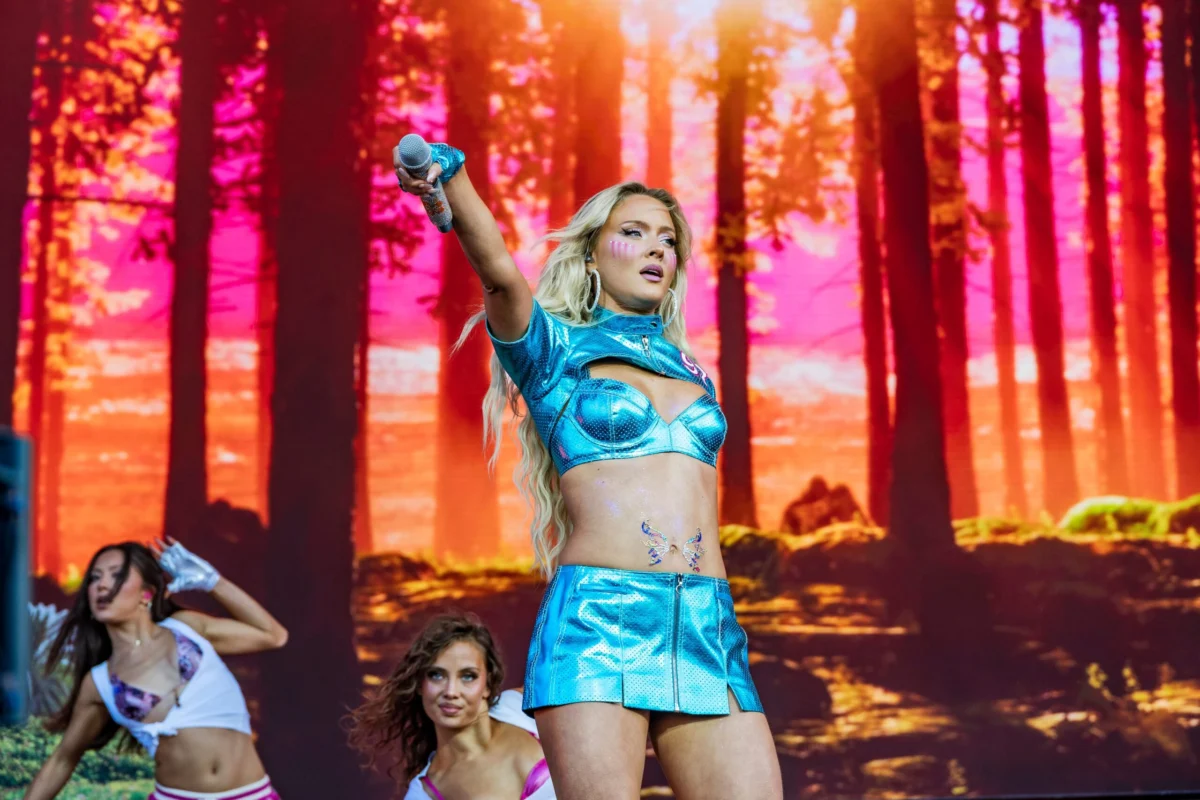
HangupsMusic.com – NEW YORK, The highly anticipated 2026 expansion of the All Things Go Festival into the New York City market has met an unfortunate and abrupt conclusion before the first note could even be struck. Organizers officially announced the cancellation of the New York edition this week, citing the imminent arrival of a powerful Nor’easter forecasted to batter the Eastern Seaboard with a dangerous combination of high-velocity winds, torrential downpours, and significant coastal flooding. The decision marks a somber moment for the independent festival, which had successfully carved out a unique niche in the crowded American music landscape and was looking to solidify its presence in the competitive New York City circuit.
The three-day event, which was scheduled to take place on September 25, 26, and 27 at the historic Forest Hills Stadium in Queens, fell victim to the unpredictable volatility of late-September weather patterns. In a comprehensive statement released to the public, festival organizers emphasized that the decision was not made in a vacuum. The move followed exhaustive consultations with local municipal officials, the management of Forest Hills Stadium, and a team of specialized weather consultants who provided grim projections for the weekend’s atmospheric conditions. According to the organizers, the primary driver behind the cancellation was the non-negotiable priority of safety—specifically regarding the fans in attendance, the performing artists, and the hundreds of local stagehands and technical crew members required to execute a production of this magnitude.
The cancellation is particularly stinging given the curated strength of the 2026 New York lineup. All Things Go has built a reputation for championing a specific blend of indie-pop, alternative, and high-concept pop artistry, often focusing on female and non-binary performers. The New York roster was a testament to this vision, featuring a diverse array of headliners including Swedish pop powerhouse Zara Larsson, the soulful and raw British singer-songwriter Lola Young, the queer-pop icons Muna, and the hauntingly cinematic Ethel Cain. These artists, many of whom have seen their profiles skyrocket over the last year, were set to draw a dedicated and vibrant crowd to the Queens venue.
Beyond the headliners, the festival had assembled a deep bench of talent that represented the current pulse of the indie and pop zeitgeist. Cult favorite Carly Rae Jepsen, whose high-energy performances are a staple of the festival circuit, was a major draw for the Saturday slate. Rebecca Black, who has successfully transitioned from a viral internet sensation into a respected hyper-pop innovator, was also on the bill. The lineup was further bolstered by rising stars and critical darlings such as Grace Ives, Sienna Spiro, and even a rare musical appearance by Cara Delevingne. The loss of these performances leaves a significant void in the city’s autumn cultural calendar, as many fans had traveled from across the country specifically for this gathering.
Forest Hills Stadium, the venue chosen for the New York expansion, provides a unique backdrop that likely complicated the decision-making process. As a historic outdoor tennis stadium nestled in a residential neighborhood, the venue is particularly susceptible to the elements. Unlike indoor arenas, the open-air nature of Forest Hills means that heavy winds can pose structural risks to temporary lighting rigs, massive LED screens, and the sound equipment necessary for a large-scale festival. Furthermore, the forecast for coastal flooding in the New York Metro area raised concerns regarding the transit infrastructure and the safety of attendees commuting to and from the Queens neighborhood.
While the New York City edition has been scrapped, organizers clarified that the original Maryland edition of All Things Go, which takes place at the Merriweather Post Pavilion on the same dates, is currently proceeding as planned. This geographical split highlights the localized nature of Nor’easters, which can often deliver a knockout blow to one metropolitan area while leaving another relatively unscathed, albeit potentially damp. For fans who had purchased tickets for the New York event, the festival has confirmed that automatic refunds will be processed. The funds will be credited back to the original payment methods used during the purchase, a move intended to mitigate the financial frustration of the thousands of disappointed ticket holders.
The cancellation of All Things Go NYC is not an isolated incident in what is becoming a disastrous weekend for East Coast live music. The region is currently grappling with a series of weather-related shutdowns that have sent shockwaves through the industry. In Maryland, the Oceans Calling festival—a massive beachside event in Ocean City—was also forced to cancel its programming due to the same storm system. Simultaneously, the Global Citizen Festival, a staple of the New York philanthropic and musical scene, was forced to scrap its 2026 iteration which was set for Central Park’s Great Lawn on September 26. These collective cancellations represent a massive economic loss for the region, affecting everything from hotel bookings and local hospitality revenue to the livelihoods of the gig-economy workers who power the festival ecosystem.
The meteorological phenomenon responsible for the disruption, a Nor’easter, is a type of macro-scale storm that typically affects the Upper East Coast of the United States and Atlantic Canada. While they are more common in the winter months, late-season tropical moisture can often fuel these systems in the autumn, leading to the "perfect storm" conditions currently being observed. For an outdoor music festival, the risks associated with such a system are manifold. High winds can turn stage equipment into projectiles, and sustained heavy rain creates electrical hazards that can endanger both performers and technical staff. In the context of a modern festival, where visual production is as vital as the audio, the technical requirements make it nearly impossible to operate safely in extreme weather.
For All Things Go, the 2026 New York cancellation is a significant hurdle in their expansion strategy. The festival began as a smaller, boutique event in the D.C. area before growing into a multi-day powerhouse that consistently sells out. The move to New York was intended to be a victory lap and a statement of intent, proving that their specific brand of community-focused, artist-driven programming could thrive in the world’s most competitive music market. While the weather is an "act of God" beyond their control, the logistics of rescheduling a multi-artist festival are notoriously difficult, often making a full cancellation the only viable legal and financial path forward.
The reaction from the artist community has been one of shared disappointment. Many of the booked performers took to social media to express their sadness over the news, noting how much they had looked forward to the unique atmosphere of the Queens venue. Ethel Cain, known for her atmospheric and often somber aesthetic, noted that while the weather might have suited her music’s mood, the physical danger was too great to ignore. Muna, who have a notoriously close relationship with their fanbase, shared messages of support for those who had spent money on travel and accommodations that may not be as easily refundable as the festival tickets themselves.
As the music industry continues to navigate a world where extreme weather events are becoming more frequent and severe, the cancellation of All Things Go NYC serves as a stark reminder of the vulnerability of the outdoor touring model. Festival organizers are increasingly being forced to weigh the massive financial stakes of a weekend event against the rising unpredictability of the environment. For now, the focus remains on the Maryland leg of the festival, which stands as the sole surviving beacon of the All Things Go brand for the 2026 season.
In the coming weeks, the industry will likely analyze the total economic fallout of this "black weekend" for East Coast festivals. Between the loss of ticket sales, the wasted production costs, and the impact on local tourism, the numbers are expected to be staggering. However, for the fans who were ready to scream along to Zara Larsson or find catharsis in a Carly Rae Jepsen set, the loss is more personal than financial. It is the loss of a shared experience, a temporary community silenced by a storm that refused to wait its turn. All eyes now turn to 2027, with the hope that the All Things Go New York edition will finally get its chance to shine under clearer skies.
