
 By Rose Miami
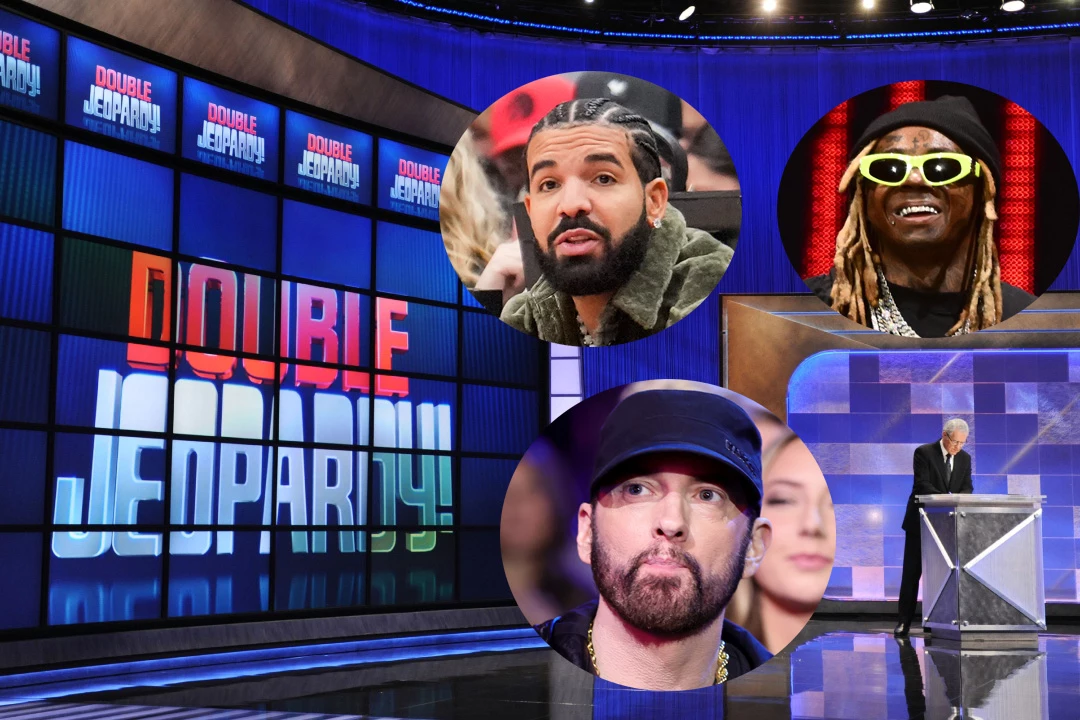
HangupsMusic.com – For decades, the iconic quiz show Jeopardy! has been a bastion of general knowledge, challenging contestants on everything from ancient history to advanced science. However, in recent years, a new genre has been increasingly making its mark on the beloved game show’s question board: hip-hop. What was once a niche cultural reference point is now a regular feature, reflecting the genre’s undeniable global impact and its integration into mainstream consciousness. This shift is not only a testament to hip-hop’s enduring legacy but also a fascinating indicator of how popular culture evolves and is recognized by even the most traditional institutions.
The transition of Jeopardy! from its legendary, late host Alex Trebek to its current presentation by former champion Ken Jennings has coincided with this burgeoning presence of hip-hop. The show’s format, where contestants are presented with answers and must formulate the correct question, lends itself well to diverse topics. As hip-hop has matured from its underground roots into a multi-billion dollar industry influencing fashion, language, and art worldwide, its prominent figures, landmark albums, and pivotal moments have become fertile ground for trivia enthusiasts. This expansion of subject matter reflects a broader trend in media to acknowledge and engage with the cultural forces that shape contemporary society.
The inclusion of hip-hop on Jeopardy! is not a new phenomenon, but its frequency and depth have certainly increased. As far back as 2015, the show featured clues directly referencing some of the era’s biggest stars. Fetty Wap, whose distinctive melodic flow and breakout hits captured the attention of millions, was once an answer, testing contestants’ knowledge of contemporary rap sensations. Similarly, Iggy Azalea, an artist who navigated the complex landscape of mainstream pop-rap, also appeared in a clue, highlighting the genre’s reach across different artistic styles and demographics. These early instances, while significant, were precursors to a more comprehensive embrace of hip-hop culture.
Beyond individual artists, Jeopardy! has also delved into the foundational elements of hip-hop production. In April 2016, a clue paid homage to Organized Noize, the influential Atlanta-based production collective. Comprised of the late Rico Wade, Ray Murray, and Sleepy Brown, this trio was instrumental in shaping the sound of Southern hip-hop, particularly through their work with artists like OutKast and Goodie Mob. Recognizing their contributions underscored Jeopardy!’s commitment to acknowledging the creative forces behind the music, not just the vocalists. This approach demonstrates a deeper understanding of hip-hop’s artistic architecture, celebrating the architects as much as the artists.
The pantheon of hip-hop’s most celebrated figures has naturally found its way onto the Jeopardy! stage. Artists whose names are synonymous with the genre’s evolution and global dominance have become staples in trivia categories. The lyrical prowess of Eminem, the genre-bending success of Drake, and the enduring influence of Lil Wayne have all served as springboards for contestants to demonstrate their cultural fluency. For those deeply immersed in hip-hop culture, these clues offer an opportunity to shine, potentially leading them closer to victory and significant prize money. The presence of these titans validates hip-hop’s status as a legitimate subject of intellectual curiosity.
Conversely, the inclusion of hip-hop can also reveal the gaps in knowledge for those less familiar with the genre. Such moments often lead to memorable, and sometimes comically incorrect, responses from contestants. The history of Jeopardy! is punctuated by instances where a contestant might confuse a legendary group like Public Enemy with a lesser-known act, or misattribute a significant album to the wrong artist. These instances, while potentially embarrassing for the contestant, often become viral moments that highlight the cultural divide and the rapid pace of change within popular music. They serve as a reminder that even the most knowledgeable individuals have their blind spots, and that the world of hip-hop, with its rich history and evolving landscape, is a vast territory to master.
The sheer volume of hip-hop content featured on Jeopardy! continues to expand. Beyond the artists already mentioned, the blue screen of Jeopardy! has illuminated the names of Jay-Z, a mogul and lyrical titan; Future, a contemporary innovator; The Notorious B.I.G., a foundational figure; Dr. Dre, a producer and artist of immense influence; the groundbreaking crew Grandmaster Flash and the Furious Five; the enduring alternative hip-hop pioneers Cypress Hill; and the charismatic rapper Nicki Minaj, among many others. This ever-growing list signifies that hip-hop is no longer a peripheral topic but a central element in the tapestry of contemporary culture that Jeopardy! seeks to represent.
The consistent appearance of hip-hop on Jeopardy! is more than just a passing trend; it’s a reflection of the genre’s pervasive influence. Hip-hop has moved from the margins to the mainstream, shaping conversations, influencing trends, and becoming a significant cultural force. For XXL, a publication deeply embedded in the hip-hop world, observing these moments on Jeopardy! is a validation of the genre’s reach and its undeniable impact on global culture. It signifies a moment where the beats and rhymes that have soundtracked generations are now being recognized and tested on one of television’s most esteemed intellectual platforms. The "booth" has officially made its way to the "board," proving that the culture is not only here to stay but is being actively celebrated and examined in all its multifaceted glory.
