
 By admin
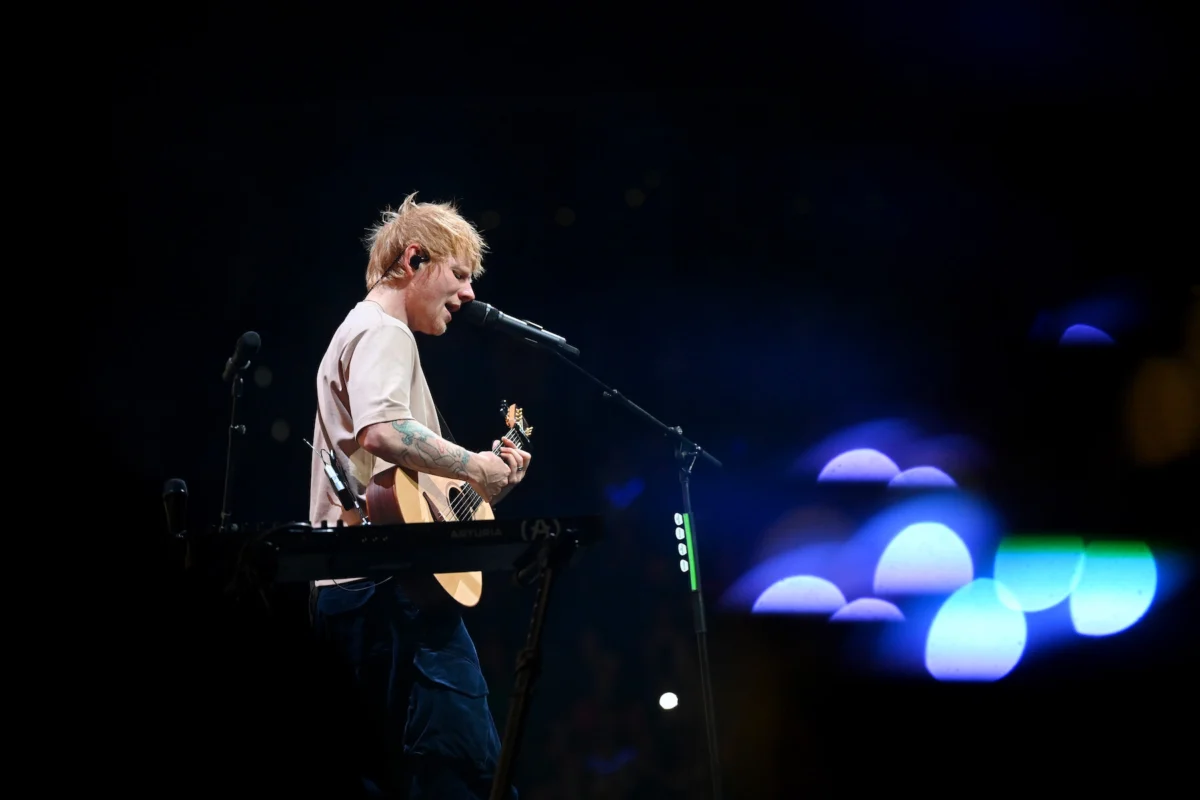
HangupsMusic.com – Foxborough, Massachusetts – The highly anticipated two-night stand for global pop sensation Ed Sheeran at Gillette Stadium this past weekend was abruptly called off, not due to the swirling controversies that have recently shadowed the artist, but rather an impending meteorological event. Tour promoter Messina Touring Group confirmed the cancellation, citing severe weather warnings for a powerful Nor’easter poised to impact the New England region, making the execution of the massive outdoor concerts an untenable risk for all involved.
The decision, announced on Friday, just hours before the first scheduled performance, plunged thousands of ticket holders into disappointment. The official statement from Messina Touring Group emphasized that "The decision was made with the safety of fans, staff and everyone involved in the shows as the top priority," a standard but critical reassurance in the face of such large-scale event disruptions. The anticipated Nor’easter was forecast to bring heavy rainfall, powerful winds, and potential flooding across Massachusetts and the wider New England area, conditions that render outdoor stadium concerts not only uncomfortable but genuinely perilous. Such weather can compromise temporary structures, create hazardous footing for large crowds, and impede emergency services, making the preemptive cancellation a necessary measure to avoid potential catastrophe.
For many fans, the news of the weather-induced cancellation was a bitter pill, especially as it compounded a series of turbulent developments that had already cast a shadow over Sheeran’s "Loop Tour." The lead-up to the Gillette Stadium dates had been anything but smooth, marked by the departure of several opening acts and a contentious dispute involving the stadium’s owner, Robert Kraft, and one of the scheduled performers, Macklemore.
The "figurative storm" surrounding Sheeran had been gathering strength in the weeks prior. Initially, the tour boasted a strong lineup of supporting artists, including the acclaimed rapper Macklemore. However, a significant controversy erupted when Robert Kraft, owner of Gillette Stadium and the New England Patriots, reportedly issued a mandate barring Macklemore from performing at the venue. While the specific content or stance that prompted Kraft’s decision was not explicitly detailed, it was widely understood to be related to political or social expressions Macklemore had made or intended to make. This move quickly ignited a heated debate about free speech, artistic freedom, and the extent of venue owners’ control over performers’ messages.
The implications of Kraft’s directive were immediate and far-reaching. Macklemore, known for his outspoken activism and socially conscious lyrics, subsequently withdrew from the tour, a decision that resonated deeply within the music community and among fans. His departure was followed by other opening acts, further altering the concert experience that ticketholders had originally envisioned. For an artist of Sheeran’s stature, accustomed to meticulously planned and smoothly executed global tours, this internal discord presented an unprecedented challenge. It forced a reevaluation of the tour’s structure and left a void in the supporting lineup, diminishing the overall value proposition for many attendees.
The controversy quickly transcended the music industry, becoming a talking point in broader cultural discussions. Critics and commentators weighed in on the delicate balance between corporate sponsorship, venue policies, and the fundamental right to artistic expression. The incident prompted many to question the influence of powerful figures in shaping public discourse, particularly when it intersects with live entertainment. For some, Kraft’s intervention represented an unwelcome intrusion into artistic autonomy, while others defended a venue owner’s right to set parameters for performances on their private property. This nuanced debate added layers of complexity to an already high-profile tour.
Ed Sheeran himself did not escape the fallout from these events. While not directly responsible for the venue owner’s decision, his continued association with the tour, and the perceived lack of a forceful public stance against the ban, drew criticism from various quarters. The situation became fodder for satire, with the popular sketch comedy show SNL UK featuring a sketch that subtly referenced Sheeran and the surrounding controversies, placing him in a comedic context alongside figures like King Charles and Princess Diana. Furthermore, Ken Casey of the Boston-area band Dropkick Murphys publicly criticized Sheeran, suggesting he should have taken a more assertive stance in solidarity with Macklemore. This public scrutiny highlighted the increasing expectation for artists to align their actions with their perceived values, especially when faced with issues touching on free speech and social justice.
The cumulative effect of these prior events meant that even before the weather cancellation, a segment of ticketholders had already begun seeking refunds. The altered lineup, stemming from the Macklemore controversy and subsequent withdrawals, led to a diminished experience for some, prompting them to reconsider their attendance. This pre-existing wave of refunds indicated a degree of disaffection among fans, making the ultimate, weather-related cancellation an even more disheartening development for those who had held onto their tickets despite the evolving circumstances.
The financial ramifications of such a large-scale cancellation are substantial, affecting multiple stakeholders. For the Messina Touring Group, the promoter, it entails significant logistical and monetary losses, including venue deposits, staff wages, and marketing expenses that cannot be recouped. Gillette Stadium, too, faces a loss of revenue from ticket sales, concessions, merchandise, and parking. Local businesses in Foxborough and the surrounding Boston metropolitan area, including hotels, restaurants, and transportation services, also suffer from the sudden absence of thousands of concertgoers who had planned to inject economic activity into the region. For Sheeran himself, while insurance typically covers some aspects of force majeure events, the cancellation represents a disruption to his touring schedule and an opportunity cost.
Perhaps most acutely affected are the fans. Many had invested not just in tickets, which are being automatically refunded for those who purchased through Ticketmaster, but also in non-refundable travel arrangements such as flights, hotel bookings, and transportation. For fans traveling from across New England and beyond, the financial and emotional toll of the cancellation extends far beyond the ticket price. The anticipation, the planning, and the pilgrimage to see a beloved artist were all dashed by circumstances beyond anyone’s control, leaving a void of disappointment and inconvenience.
In the wake of the cancellation, attention will inevitably turn to potential rescheduling options. However, securing dates at a major stadium like Gillette, particularly for an artist of Ed Sheeran’s global appeal, is a complex logistical puzzle involving venue availability, the artist’s demanding tour schedule, and the unpredictable nature of future weather patterns. While the immediate focus remains on processing refunds and managing the aftermath, both the promoter and Sheeran’s team will undoubtedly be exploring avenues to bring the "Loop Tour" back to New England, hopefully under more favorable skies and less turbulent conditions.
The cancellation of Ed Sheeran’s Gillette Stadium shows serves as a poignant reminder of the multifaceted challenges inherent in organizing large-scale live music events. It underscores how the meticulously planned world of global touring can be swiftly upended by forces of nature, while simultaneously highlighting the growing complexities artists and promoters face in navigating societal controversies and maintaining artistic integrity in an increasingly scrutinized public sphere. For Sheeran and his fans, the "actual storm" that swept through New England this weekend regrettably overshadowed, and ultimately compounded, the "figurative storm" that had already been brewing, leaving a lingering sense of unfulfilled expectation.
