
 By Azzam Bilal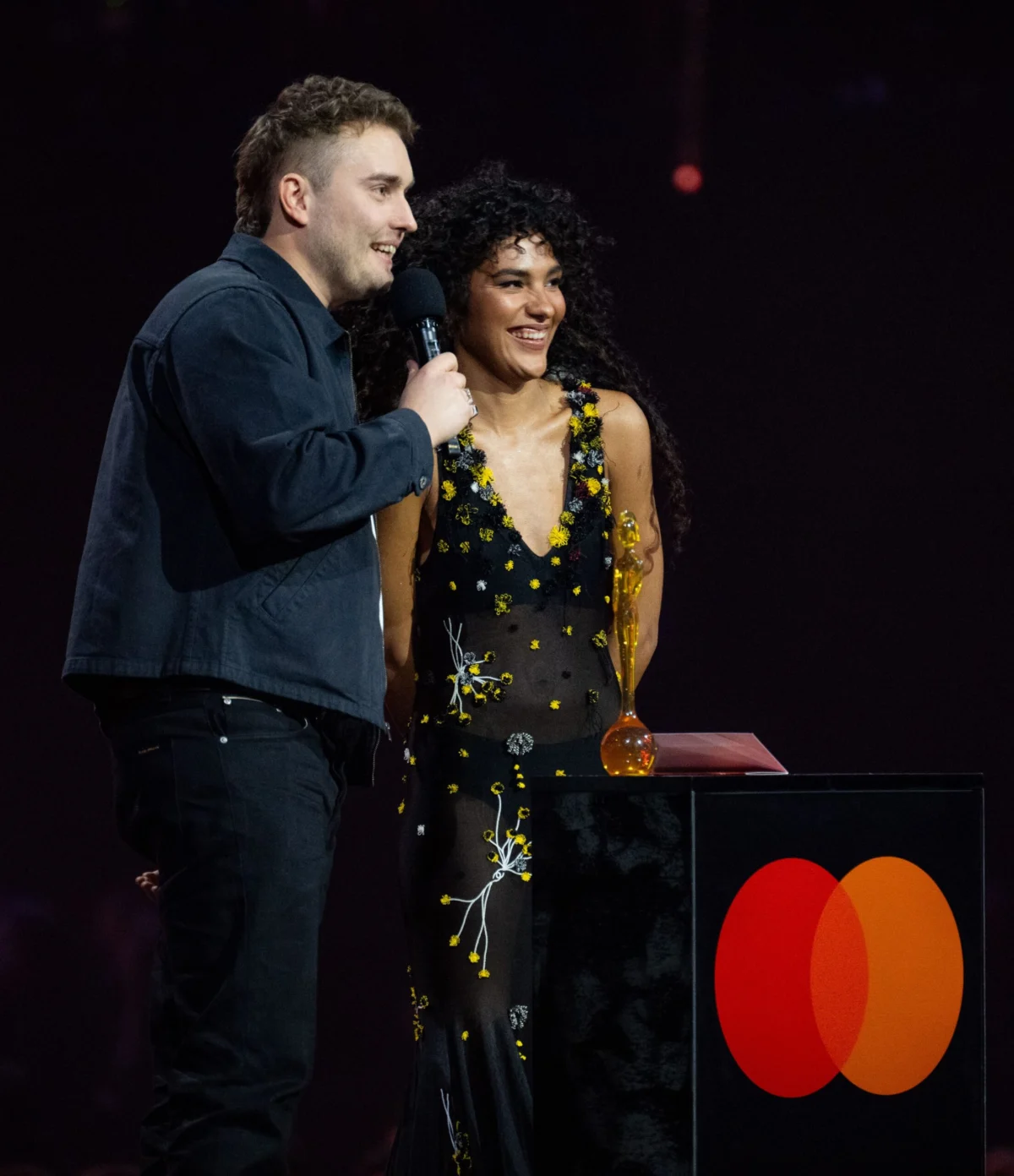
HangupsMusic.com – London, the landscape of British popular music has witnessed a seismic shift as Sam Fender and Olivia Dean have officially etched their names into the stratosphere of chart history. In an era defined by rapid-fire digital consumption and fleeting viral sensations, the collaborative force of these two powerhouse artists has achieved something many industry veterans thought impossible in the modern age. Their duet, "Rein Me In," has officially secured its 19th week at the summit of the UK charts, surpassing a milestone that has stood unchallenged for over seven decades.
According to the latest data reported by Billboard, the track’s continued dominance marks it as the longest-running Number 1 single in the history of the United Kingdom. To understand the gravity of this feat, one must look back to 1953, the year Frankie Laine’s iconic ballad "I Believe" spent 18 weeks at the top. For 73 years, Laine’s record was considered an untouchable relic of a different musical epoch—a time before the advent of rock and roll, the British Invasion, or the digital revolution. Today, that record has finally fallen, signaling a definitive moment for contemporary British indie-rock and soul.
The journey of "Rein Me In" to historical immortality was not an overnight explosion, but rather a masterclass in artistic evolution and public resonance. The song originally appeared as a solo effort or a core track on Fender’s highly anticipated 2025 studio album, People Watching. Released in February of that year, the album was immediately hailed by critics as Fender’s most mature work to date, blending his signature North Shields grit with a more expansive, cinematic production style. However, the narrative of the record changed significantly in June 2025, when a reworked version featuring the velvet-toned vocals of Olivia Dean was released to the public.
The chemistry between Fender’s raw, emotive delivery and Dean’s sophisticated, neo-soul sensibilities proved to be the missing ingredient that transformed a great song into a cultural phenomenon. Following the release of the collaborative version, "Rein Me In" began a steady, relentless ascent through the ranks. It was a "slow burn" success story that defied the typical front-loaded nature of modern chart hits. By the time February 2026 arrived, the song had finally claimed the Number 1 spot, a position it would refuse to relinquish for the better part of the year.
A pivotal turning point in the song’s longevity occurred during the 2026 BRIT Awards. The ceremony, which celebrated a particularly vibrant year for British music, saw Fender and Dean take home the prestigious Song of the Year award. Their live performance that evening was widely cited as the highlight of the broadcast, showcasing a vocal interplay that felt both intimate and stadium-ready. In the wake of the awards, "Rein Me In" saw a massive surge in streaming and radio airplay, effectively sealing its place at the top of the charts and making it nearly impossible for any challenger to dislodge it.
The sheer resilience of the track is perhaps best illustrated by the caliber of artists it managed to hold at bay. During its historic 19-week reign, only four other songs managed to briefly interrupt Fender and Dean’s run, each managing only a single week at the top before "Rein Me In" reclaimed its throne. These "one-week wonders" included some of the biggest names in global pop: Harry Styles with the sun-drenched "American Girls," Olivia Rodrigo with the angst-ridden "Drop Dead," Ariana Grande with "Hate That I Made You Love Me," and Taylor Swift with the narrative-heavy "I Knew It, I Knew You." That these global superstars could only manage a temporary stay at the summit speaks volumes about the vice-like grip Fender and Dean held over the British public’s ears.
For Sam Fender, this achievement marks the culmination of a decade-long rise from playing small pubs in the Northeast to becoming the definitive voice of his generation. Known for his socially conscious lyrics and Springsteen-esque anthems, Fender has always maintained a deep connection with his fanbase. Speaking to the Official Charts Company in the wake of the record-breaking news, Fender appeared visibly moved by the scale of the accomplishment. He expressed being "completely lost for words," extending his gratitude to Olivia Dean for her contribution and to the fans who propelled the song to "juggernaut" status. His disbelief at breaking a 73-year-old record reflects the humility that has long been a staple of his public persona.
Olivia Dean’s role in this success cannot be overstated. As one of the most exciting voices to emerge from the London scene in recent years, her involvement brought a new dimension to Fender’s sound, attracting a broader audience and adding a layer of soulful sophistication to the track. Dean chose a grand stage to celebrate the milestone, marking the achievement during her headlining set at the Lollapalooza festival in Chicago. In a moment that quickly went viral, she surprised the massive American crowd by bringing Fender out to perform the single together. This performance was particularly significant as it marked the first time the duo had performed the record-breaking hit on United States soil, signaling that the "Rein Me In" fever is beginning to spread well beyond the borders of the UK.
The cultural impact of "Rein Me In" also invites a deeper analysis of the current state of the music industry. In an age where the "attention economy" often favors 15-second TikTok snippets over full-length compositions, the 19-week reign of a sophisticated indie-soul ballad suggests that listeners are still craving depth and emotional honesty. The song’s lyrics, which deal with themes of vulnerability, restraint, and the complexities of modern companionship, have clearly struck a chord with a wide demographic. It is a track that feels equally at home on a late-night drive as it does in a packed festival field.
Furthermore, the breaking of Frankie Laine’s 1953 record offers a fascinating bridge between two very different eras of music history. In 1953, the charts were dominated by crooners and sheet music sales; in 2026, the charts are a complex algorithm of premium streams, ad-supported plays, and digital downloads. That a song in the digital age can maintain such consistent popularity over four months is a testament to its quality. While the "churn" of the charts has increased significantly over the last two decades, Fender and Dean have proven that a truly resonant song can still achieve a level of permanence.
Industry analysts suggest that the success of "Rein Me In" may lead to a resurgence in high-profile collaborations between artists of differing genres. The "Fender-Dean model"—combining indie-rock storytelling with soul-pop aesthetics—has provided a blueprint for how to capture the cultural zeitgeist. Labels are likely to look at this 19-week run as evidence that the British public is moving away from the hyper-processed sounds of the early 2020s toward a more organic, instrument-driven sound.
As the dust settles on this historic achievement, the legacy of "Rein Me In" seems secure. It is no longer just a hit single; it is a statistical anomaly and a cultural landmark. For Sam Fender, it solidifies his status as a titan of the British music scene, and for Olivia Dean, it confirms her place as a global star in the making. As they move forward into the next chapters of their respective careers, both artists carry with them the distinction of having achieved what no one else could for nearly three-quarters of a century. The UK chart record books have been rewritten, and it may be another 73 years before we see a run quite as dominant as the one authored by Fender and Dean.
