
 By admin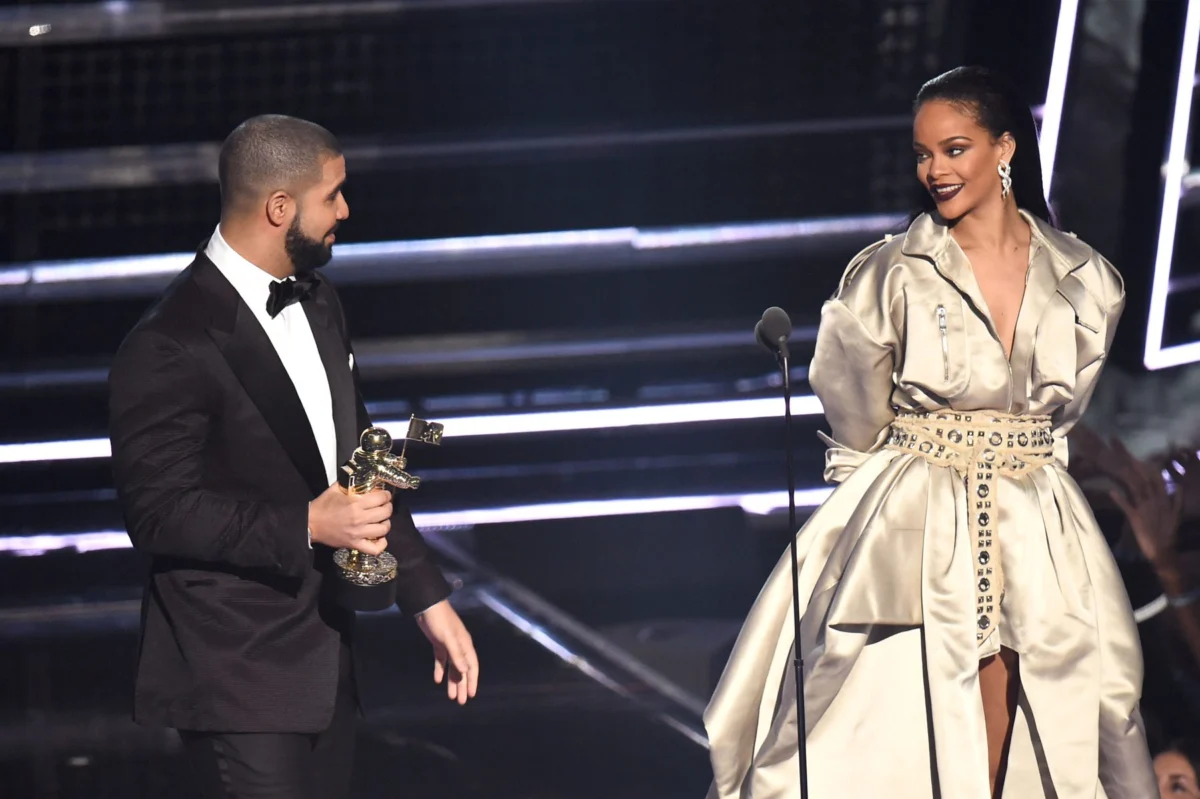
HangupsMusic.com – New York City, August 28, 2016, marked a night that, a decade later, resonates as a pivotal moment in music history: the MTV Video Music Awards at Madison Square Garden. This wasn’t merely another annual awards ceremony; it was a grand convergence, a vibrant, sprawling spectacle that captured the essence of an era, feeling, for a fleeting moment, like the absolute epicenter of the global pop universe. From monumental performances that cemented legacies to provocative statements and undeniable cultural flashpoints, the 2016 VMAs delivered a potent blend of artistry and celebrity that has proven increasingly difficult for award shows to replicate in the years since. It was a testament to the power of star wattage and visual storytelling, a high-water mark that, in retrospect, appears to have heralded the twilight of a particular kind of music industry dominance.
The VMAs, born in 1984, carved out a unique niche as the anarchic, unpredictable younger sibling of other more staid award ceremonies. It celebrated music videos as an art form and often prioritized shock value, unforgettable moments, and boundary-pushing performances over mere accolades. By 2016, while its viewership numbers were already facing the headwinds of changing media consumption habits, the cultural cachet of the VMAs remained formidable, largely due to its proven ability to attract the biggest names in music. That year, the stars aligned with a particular potency, offering a lineup that, in hindsight, feels almost impossible to replicate.
The night belonged, in many ways, to the queens of pop, Beyoncé and Rihanna, both delivering career-defining showcases. Beyoncé’s 15-minute Lemonade medley was nothing short of a masterclass in performance art, a visceral and visually stunning recreation of key moments from her groundbreaking visual album. Emerging from a dazzling, ethereal light, she traversed a stage bathed in cinematic projections, flanked by a phalanx of dancers. The performance was a deliberate, powerful statement, weaving together themes of Black womanhood, infidelity, forgiveness, and resilience with breathtaking precision. From the defiant stomp of "Formation" to the raw emotion of "Pray You Catch Me" and the cathartic energy of "Freedom," Beyoncé crafted a narrative arc that transcended a typical awards show slot. It was not just a medley of songs; it was an artistic declaration, solidifying Lemonade‘s status as a cultural phenomenon and further cementing Beyoncé’s unparalleled command of live spectacle. Critics hailed it as one of the greatest awards show performances of all time, a benchmark against which all future attempts would be measured.
Equally iconic, though distinctly different in tone, was Rihanna’s acceptance of the Michael Jackson Video Vanguard Award. The Barbadian superstar didn’t just accept; she dominated, delivering not one, but four distinct performance vignettes throughout the evening. Each segment showcased a different facet of her diverse discography and artistic persona, ranging from her dancehall roots with tracks like "Work" and "Rude Boy," to the soulful R&B of "Diamonds" and "Stay," the pure pop anthems like "Only Girl (In the World)," and finally, a celebratory club set featuring "We Found Love" and "Where Have You Been." It was a bold, ambitious undertaking that celebrated her versatility and undeniable impact on pop music over her illustrious career. The sheer scale of it, spreading across the entire show, underscored her status as a global icon and a true "video vanguard."
The climax of Rihanna’s night, however, came during the presentation of her award by Drake. Their long-speculated romantic connection had been a constant source of tabloid fodder and fan fascination, and Drake’s heartfelt, effusive speech — declaring his love for her since he was 22 — sent the audience into a frenzy. As he leaned in for what appeared to be an anticipated kiss, Rihanna gracefully offered her cheek, a move instantly dubbed "the curve" by media and fans alike. This micro-moment, captured in countless GIFs and memes, instantly became a pop culture touchstone, simultaneously fueling their mythologies and adding another layer to their complex, publicly observed relationship. It highlighted the intense scrutiny and narrative-building that surrounded these two megastars, demonstrating how even a fleeting interaction could become a defining element of an awards show.
Beyond these two titans, the 2016 VMAs also featured moments of characteristic Kanye West disruption. Granted an unprecedented four minutes of free rein, West premiered the controversial music video for "Fade," featuring Teyana Taylor’s electrifying dance performance, and delivered a sprawling, philosophical, and often perplexing monologue. Touching on everything from his creative process to the nature of fame, his speech included a defense of his "Famous" music video and a seemingly out-of-the-blue shout-out to his ex-girlfriend Amber Rose. It was pure, unfiltered Kanye, a chaotic yet compelling spectacle that reminded everyone of his unique position as both an artist and a provocateur.
Another highly anticipated moment was Britney Spears’ return to the VMA stage, her first performance there since 2007. Performing "Make Me…" alongside G-Eazy, the expectations were stratospheric, given her history of legendary VMA performances. However, the performance, while met with enthusiasm by her devoted fanbase, ultimately garnered a mixed reception. Critics and many viewers felt it lacked the sharp choreography and vibrant energy of her past iconic appearances, with some attributing the subdued delivery to the stage setup or even G-Eazy’s presence. It felt like a missed opportunity to fully recapture the magic of her peak VMA moments, a stark contrast to the dominant showings by Beyoncé and Rihanna.
Other artists, like Nick Jonas, found their moments overshadowed. His performance of "Bacon" with Ty Dolla $ign, complete with a diner-themed stage, was largely lost amidst the evening’s more seismic events. This illustrates a common challenge for awards shows: in a landscape dominated by a few major players, even well-intentioned and well-executed performances can struggle to cut through the noise and achieve lasting impact.
A decade removed, the 2016 VMAs stands as a potent symbol of a shifting paradigm in the music industry. The ability to gather such an array of top-tier talent, all delivering memorable and culturally resonant moments on one stage, has become increasingly rare. Factors such as declining linear television viewership, artists prioritizing their own stadium tours and direct-to-fan engagement over traditional awards show appearances, and the fragmented nature of pop culture in the streaming era have all contributed to a diminished collective impact for such events. While subsequent VMA ceremonies have certainly had their highlights, none have quite managed to replicate the concentrated star power, the sheer volume of iconic performances, or the pervasive cultural omnipresence that defined the 2016 edition.
The event now serves as a fascinating case study for retrospective analysis, prompting questions about what made that year so special and what its legacy truly means. Was it merely a serendipitous alignment of artist album cycles and career peaks, or did it represent the last gasp of an era when a single televised event could genuinely feel like the absolute center of the pop universe? Regardless, the 2016 MTV Video Music Awards remains etched in pop culture memory as a monumental night, a watershed moment that captured the incandescent glow of pop stardom at its dazzling, unforgettable zenith.
