
 By Azzam Bilal
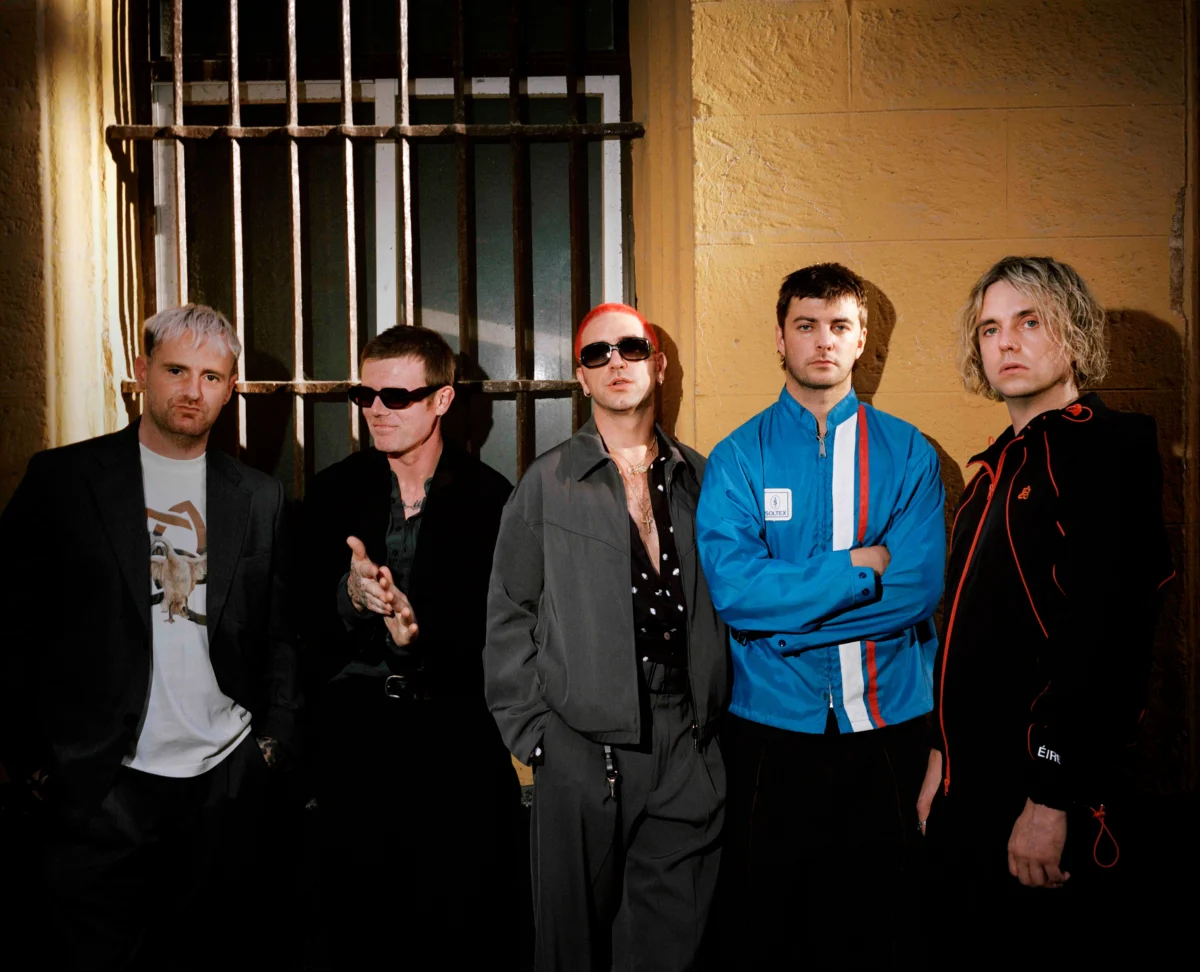
HangupsMusic.com – Dublin, The landscape of contemporary rock music is rarely static, yet few ensembles have navigated the treacherous waters of evolution as deftly as Fontaines D.C. With the release of their latest single, "Tongue," the Irish quintet has signaled a profound departure from the gritty, rain-slicked streets of their early discography, moving instead toward a more abstract, electronically-tinged frontier. This new offering serves as a second glimpse into their highly anticipated upcoming album, Dopamine Chamber, a project that promises to redefine the band’s sonic architecture.
For a band that built its reputation on the propulsive, motorik rhythms of post-punk and the poetic, spoken-word delivery of frontman Grian Chatten, "Tongue" represents a significant pivot. The track arrives accompanied by a music video filmed during a recent excursion to New York City. Directed by long-time collaborator John Angus Stewart, the visuals adopt a candid, self-filmed aesthetic, capturing the band members as they navigate the sprawling metropolis. It is a fitting backdrop for a song that feels both expansive and deeply internal, a contrast that has become a hallmark of the band’s recent creative output.
The technical composition of "Tongue" reveals a band that is increasingly comfortable shedding the traditional "live band" skin. Guitarist Conor Curley provided insight into this transition, noting that the track serves as a conceptual extension of the ideas first explored on their previous record, Romance. According to Curley, the band deliberately withheld standard rock instrumentation until it was absolutely essential to the track’s emotional arc. This restraint has resulted in a soundscape that is less about the physical act of strumming and drumming and more about the manipulation of atmosphere.
In practice, this minimalist philosophy manifests through the innovative handiwork of bassist Conor Deegan and guitarist Carlos O’Connell. The foundation of "Tongue" is built upon a tape-manipulated bassline provided by Deegan, which offers a warm, warbling texture that feels grounded yet hallucinatory. Over this, O’Connell utilizes a sampler to distort and reshape Chatten’s vocal lines, turning the human voice into a haunting, rhythmic element that blurs the line between man and machine. This shift toward electronic manipulation suggests that Fontaines D.C. are no longer content with being the torchbearers of traditional rock; they are looking to dismantle and rebuild the genre from the ground up.
The production of Dopamine Chamber is handled by James Ford, a figure whose resume reads like a roadmap of modern alternative music. Having worked with the likes of Arctic Monkeys, Depeche Mode, and Jessie Ware, Ford is an expert at bridging the gap between underground experimentation and stadium-ready polish. Under his guidance, the band seems to have leaned into the "chamber" aspect of the album title—creating a sense of claustrophobia and intimacy that is then shattered by bursts of dopamine-fueled euphoria. The album is scheduled for release on October 16 via the prestigious XL Recordings, a label synonymous with artists who push the boundaries of pop and rock, from Radiohead to Adele.
One of the most discussed aspects of the new record is the inclusion of a guest artist—a first for a Fontaines D.C. studio album. The band has successfully recruited the Catalan sensation Rosalía for a duet titled “Where Is Gone?” The collaboration is a testament to the band’s growing international stature and their willingness to engage with sounds far outside the Anglo-American rock canon. Rosalía’s involvement is particularly noteworthy when compared to the recent endeavors of their fellow countrymen, U2. In a somewhat humorous contrast, Bono recently revealed that he had contemplated asking Rosalía to appear on U2’s latest project but ultimately decided against it, opting instead to perform an "impression" of her style. Fontaines D.C., it seems, are more interested in direct engagement than imitation, securing the presence of one of the world’s most innovative pop stars to further expand their sonic palette.
The trajectory of Fontaines D.C. has been nothing short of meteoric. From their debut Dogrel, which acted as a gritty love letter to Dublin, to the Grammy-nominated A Hero’s Death and the chart-topping Skinty Fia, the band has consistently refused to repeat themselves. Each record has seen them shed layers of their previous identity. Where Dogrel was urgent and local, A Hero’s Death was introspective and detached. Skinty Fia explored the complexities of Irish identity from the perspective of the diaspora, while Romance began the flirtation with the more lush, cinematic textures that now seem to be coming to full fruition on Dopamine Chamber.
The title of the new album itself, Dopamine Chamber, suggests a preoccupation with the modern human condition—the cycle of instant gratification, the isolation of digital spaces, and the search for genuine connection within those confines. If "Tongue" is any indication, the music will mirror these themes through its use of synthetic textures and fragmented structures. It is a bold move for a band that many critics once pigeonholed as the saviors of "guitar music." By moving away from the very instruments that defined them, Fontaines D.C. are asserting that their essence lies in their songwriting and their perspective, not in their gear.
As the October release date approaches, the band is preparing for an extensive global tour. The scale of the tour reflects their status as one of the most significant rock acts currently working. However, the initial announcement has left some fans in North America wanting, as the itinerary currently lacks any dates in the United States. This omission is likely a temporary one, as the band has historically spent a significant amount of time touring across the Atlantic, but it adds a layer of mystery to their current rollout. It is possible that the band is planning a dedicated North American leg that will focus on larger venues, reflecting the anticipated success of the new material.
The visual component of "Tongue" also deserves closer scrutiny. John Angus Stewart’s direction often leans into a raw, documentary-style approach that eschews the gloss of high-budget music videos. By filming themselves in New York, the band members place themselves in the ultimate "melting pot" city, a place where their Irish roots and their new, global ambitions can coexist. The grainy, handheld footage provides a sense of immediacy that balances the polished, studio-heavy production of the song itself. It serves as a reminder that, despite the samplers and the tape manipulation, there are still five individuals at the heart of the project.
Furthermore, the influence of Grian Chatten’s solo work cannot be overlooked. His 2023 solo debut, Chaos For The Fly, allowed him to explore more melodic and acoustic territories, perhaps giving him the confidence to push the band’s sound into even more adventurous directions. In "Tongue," his voice is treated not just as a vehicle for lyrics, but as a textural instrument. The distortion mentioned by Curley and O’Connell suggests a desire to deconstruct the "rock star" persona, hiding the vocal behind layers of processing to create a more immersive and less personality-driven experience.
As the industry looks toward the final quarter of the year, Dopamine Chamber stands out as a potential landmark release. It represents the point where Fontaines D.C. fully transcend their origins. They are no longer just a "Dublin band" or a "post-punk band." They have become a global artistic entity, capable of collaborating with pop icons and reinventing their sound with every subsequent release. "Tongue" is the sound of a band that has found its voice by learning how to distort it, and its release marks the beginning of what may be their most daring chapter yet.
The arrival of the album on XL Recordings further cements this transition. The label has a long history of supporting artists who transition from guitar-based beginnings into more complex, electronic-leaning work—most notably Radiohead during the Kid A era. While it may be premature to compare Dopamine Chamber to such a seminal work, the parallels in the band’s trajectory are difficult to ignore. They are moving toward a space where the traditional rules of rock no longer apply, and the result is some of the most exciting music of their career. Fans and critics alike will be watching closely on October 16 to see how the rest of the "chamber" unfolds.
