
 By Azzam Bilal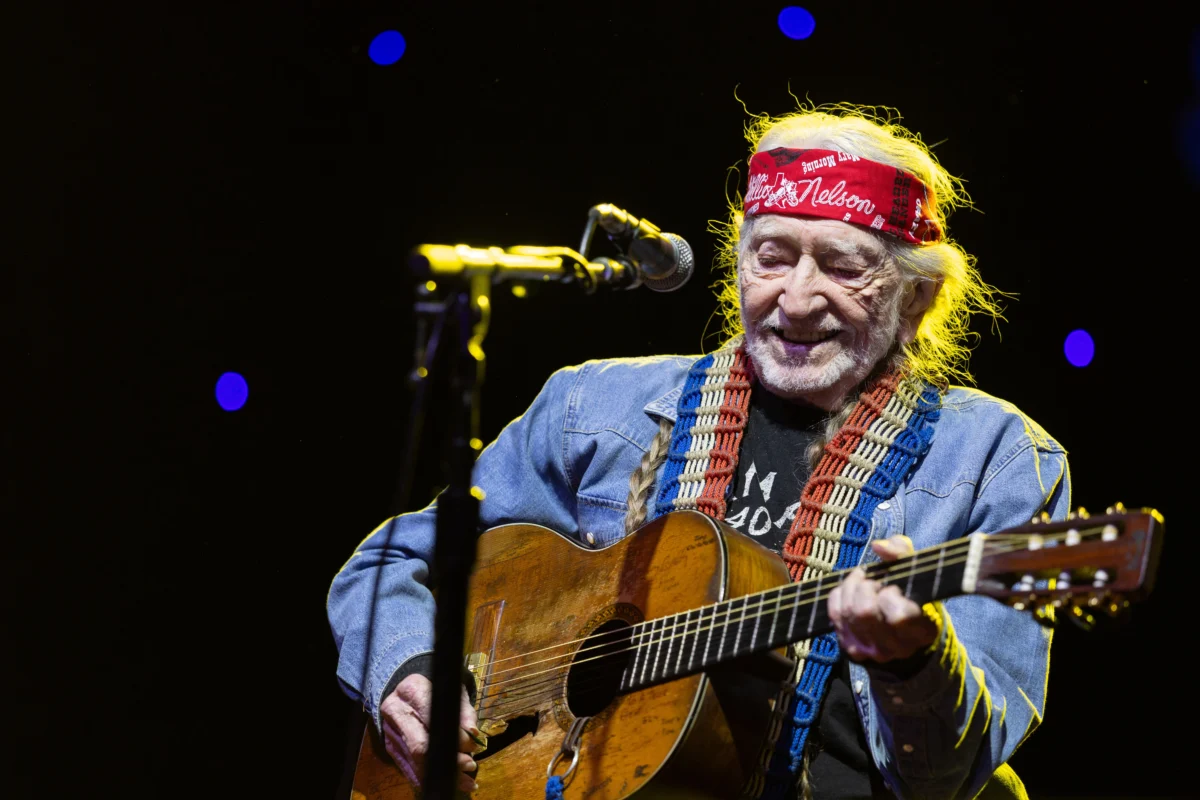
HangupsMusic.com – SPICEWOOD, Texas, where the rolling hills of the Hill Country have long served as a sanctuary for artists and farmers alike, a new kind of industrial frontier is sparking a heated confrontation. Willie Nelson, the venerable patriarch of country music and a lifelong advocate for the preservation of American land, has officially entered the fray of the national data center debate. As massive technological hubs continue to sprout across the American landscape to support the insatiable demands of artificial intelligence and cloud computing, Nelson is lending his considerable cultural weight to the growing chorus of local residents who fear these facilities are a blight on the environment and the soul of rural life.
In a direct and impassioned statement that has quickly resonated through the corridors of social media and local government offices, Nelson voiced his stern opposition to the encroachment of these industrial complexes. "Our community, like many others, needs to fight against data centers invading our land," Nelson declared, framing the issue not merely as a matter of urban planning, but as a defense of the territory he has called home for decades. His critique was specific and biting, targeting the physical and environmental externalities that come with housing the hardware of the digital age. "The last thing we need is a loud, water thieving, light polluting, data center anywhere near our town (or any others for that matter)," he added, signaling that his concerns extend far beyond his own backyard to every small town currently being courted by big tech developers.
The controversy Nelson is addressing is one that has transformed quiet city council meetings into battlegrounds for the future of local infrastructure. From Northern Virginia to Central Texas, the rapid expansion of data centers has become a flashpoint for political and social unrest. These facilities, often windowless monoliths spanning hundreds of thousands of square feet, are the backbone of the modern internet. However, their physical presence is increasingly viewed as a burden by the communities that host them. Nelson’s mention of "water thieving" refers to the staggering amount of liquid resources required to cool the thousands of servers humming inside these buildings. In drought-prone regions like Texas, the diversion of millions of gallons of water to keep computer processors from overheating is a point of extreme contention for agricultural workers and conservationists.
Furthermore, the "loud" and "light polluting" aspects of Nelson’s complaint highlight the sensory degradation often associated with these developments. Data centers require massive industrial fans and backup generators that create a constant low-frequency hum, which can travel for miles in the still air of the countryside. The security lighting required for such high-value assets often eradicates the dark skies that rural residents cherish, turning the pastoral night into a permanent artificial twilight. For a man who has spent a lifetime writing songs about the beauty of the natural world and the simplicity of life on the road, the clinical, intrusive nature of a data center represents the antithesis of the values he has long championed.
Nelson’s foray into this specific policy debate is a natural extension of his decades-long history of activism. Since the mid-1980s, when he co-founded Farm Aid to provide a safety net for family farmers, Nelson has been the unofficial spokesperson for the American heartland. He has navigated the complexities of political advocacy with a unique brand of "outlaw" charisma that transcends traditional partisan divides. Whether he is pushing for the legalization of marijuana, promoting the use of biodiesel through his "Bio-Willie" brand, or advocating for the humane treatment of horses, Nelson’s activism is consistently rooted in a desire to protect the vulnerable and preserve the integrity of the land.
This latest stance against data centers comes at a time when the issue is dividing political parties from within. In many states, the promise of tax revenue and high-tech jobs brought by data centers is being weighed against the high cost of energy consumption and the strain on local power grids. In places like Texas, where the electrical grid has faced historic challenges in recent years, the massive power draw of a single data center campus can be equivalent to that of several small cities. Democrats and Republicans alike have found themselves split, with some local leaders eager for the economic stimulus and others, following the lead of activists and now cultural icons like Nelson, fearing that the long-term environmental costs far outweigh the short-term financial gains.
The public reaction to Nelson’s statement has been swift, highlighting his unique position in the American zeitgeist. In a world of polarized celebrity discourse, Nelson remains one of the few figures whose opinion carries weight across the cultural spectrum. The article’s mention of a sentiment popularized by country stars Kacey Musgraves and Miranda Lambert—"What asshole disagrees with Willie?"—underscores the difficulty his detractors face. To oppose Willie Nelson on a matter of land preservation is to oppose a man who has become a living symbol of American authenticity. While proponents of data center expansion argue that these facilities are essential for the progress of the 21st-century economy, they now find themselves up against a critic who can mobilize public sentiment with a single paragraph.
Amidst this political and environmental advocacy, Nelson’s creative output remains as prolific as ever. At an age when most artists have long since retired to reflect on their legacies, Nelson continues to build his. His most recent album, Dream Chaser, was released this past May, marking a staggering milestone in a career defined by its relentless momentum. Dream Chaser represents Nelson’s 156th solo LP, a number that seems almost impossible in the context of modern music history. The album continues his tradition of blending country, folk, and jazz influences, delivered with the weathered, soulful vibrato that has become one of the most recognizable voices in the world.
The title Dream Chaser serves as a fitting metaphor for Nelson’s own journey. Even as he approaches the twilight of his career, he is still chasing the ideals of a better, more sustainable world. His music and his activism are inextricably linked; the same empathy for the common man found in "Blue Eyes Crying in the Rain" or "On the Road Again" is what drives him to speak out against a data center that might threaten a farmer’s water supply or a neighbor’s peace and quiet. For Nelson, the land is not just a resource to be managed or a site for industrial development; it is a sacred trust.
As the debate over data centers continues to escalate, Nelson’s involvement ensures that the conversation will remain in the national spotlight. His statement serves as a rallying cry for those who feel that the rapid pace of technological advancement is leaving the concerns of local communities in the dust. By identifying data centers as "invaders," Nelson has reframed the discussion from one of economic utility to one of community sovereignty and environmental protection.
In the coming months, as more cities and towns face decisions regarding the zoning and approval of these massive facilities, the "Willie factor" will undoubtedly play a role. Local organizers are already citing his words in their efforts to block new developments, and his influence may force tech giants to reconsider how they engage with the communities they seek to enter. For now, Willie Nelson remains the "Last Leaf on the Tree," standing firm against the winds of change that threaten to alter the landscape he has spent a lifetime defending. Whether through the grooves of his 156th album or the stark honesty of a social media post, the Red Headed Stranger continues to prove that his voice is as powerful and necessary today as it was when he first stepped onto the stage.
