
 By admin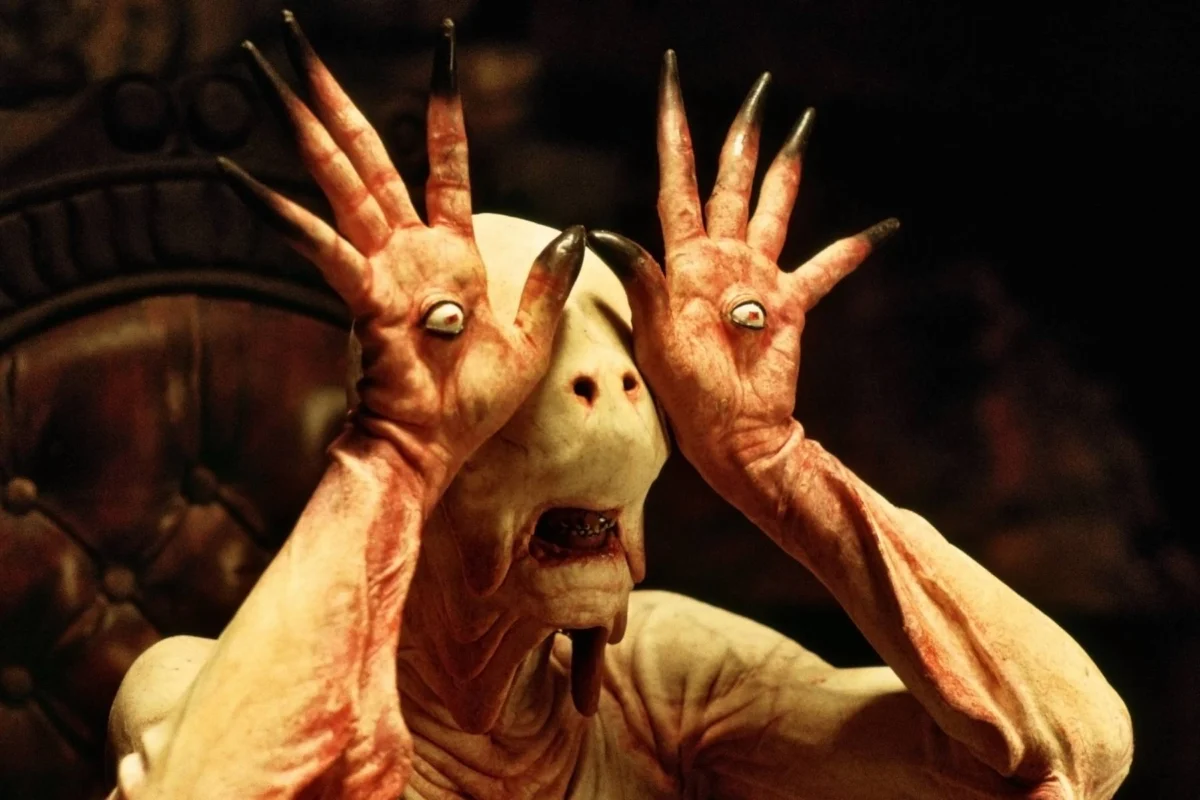
HangupsMusic.com – San Diego, California – In an era where the film industry grapples with the pervasive influence of artificial intelligence, a staunch and vocal opponent has once again made his position unequivocally clear. Acclaimed filmmaker Guillermo del Toro, a luminary known for his fantastical visions and meticulous craftsmanship, delivered a powerful declaration against the integration of AI into cinematic creation during his appearance at San Diego Comic-Con. The occasion, a celebration of the 20th anniversary of his critically revered masterpiece, Pan’s Labyrinth, served as a poignant backdrop for his impassioned defense of human artistry, particularly as the film prepares for a special 3D re-release this autumn.
Del Toro, whose filmography is a testament to richly imagined worlds brought to life through intricate design and practical effects, left no room for ambiguity regarding the technological process behind Pan’s Labyrinth‘s upcoming conversion. He assured an enthusiastic crowd that the 3D rendition of his 2006 Spanish-language dark fantasy epic would be achieved through traditional, human-led methods, explicitly disavowing any use of artificial intelligence. This commitment, he acknowledged, comes at a significantly higher financial cost, a factor he readily dismissed as secondary to the preservation of artistic integrity. "What we are safeguarding," del Toro emphasized, "is the intrinsic allure and the transformative essence of art. This isn’t merely about job security; it’s about upholding a sacred artistic heritage."
His conviction stems from a deeper philosophical concern about the long-term ramifications of widespread AI adoption in creative fields. Del Toro articulated a profound worry that by embracing automated processes, the industry risks severing a crucial link in the chain of artistic development. "If we prevent an entire generation of burgeoning talents from mastering their skills, from honing their craft through hands-on experience," he posited, "we are effectively truncating the future narrative of that medium. And for what ultimate gain?" This question hangs heavy over an industry increasingly pressured to streamline production and reduce costs, often at the expense of traditional artisan roles.
The filmmaker’s stance is not a recent development but rather a consistent thread woven throughout his public discourse on technology. Last year, in a conversation with NPR, del Toro expressed an even more visceral aversion to generative AI, stating unequivocally that he would "prefer to face mortality" than utilize such tools. "Generative AI holds no appeal for me, nor will it ever," he affirmed, adding with characteristic bluntness, "I am 61, and I earnestly hope to remain steadfast in my disinterest until my final breath. When queried about my position on AI, my response was concise: ‘I would rather die.’" Such a definitive statement underscores the profound philosophical chasm separating del Toro from those who view AI as an inevitable, or even beneficial, evolution in creative production.
The choice of Pan’s Labyrinth as the vehicle for this declaration is particularly resonant. Released in 2006, the film is a masterclass in gothic surrealism, blending the brutal realities of post-Civil War Spain with a fantastical underworld populated by unforgettable creatures. Its visual splendor, achieved through a painstaking combination of practical effects, intricate creature design, and masterful cinematography, garnered immense critical acclaim and significant box office success, earning over $83 million worldwide. More importantly, it secured three Academy Awards – for Best Cinematography, Best Art Direction, and Best Makeup – categories that are profoundly reliant on human skill, imagination, and meticulous execution.
The film’s enduring legacy is intrinsically tied to its handcrafted aesthetic. The Pale Man, the Faun, and the film’s labyrinthine setting are not merely visual elements; they are embodiments of the film’s thematic depth, brought to life by dedicated artists and technicians. Releasing a 3D version of such a film, converted without the aid of AI, reinforces the very principles del Toro champions. It serves as a tangible example that the pursuit of artistic excellence and the preservation of artisanal crafts are not relics of a bygone era but vital components of cinematic magic. The process of converting a film to 3D, when done traditionally, involves skilled artists meticulously analyzing each frame, adjusting depth, and ensuring visual coherence, a task that demands nuanced artistic judgment far beyond the capabilities of current AI systems.
Del Toro’s impassioned defense comes at a pivotal moment for Hollywood. While major studios and tech companies continue to explore and invest in AI solutions for various stages of production, from script development to digital effects, the creative community remains deeply divided. The recent labor disputes involving the Writers Guild of America (WGA) and the Screen Actors Guild – American Federation of Television and Radio Artists (SAG-AFTRA) brought the issue of AI to the forefront, with concerns about job displacement, intellectual property rights, and the potential devaluation of human creativity forming central tenets of the negotiations. While some argue for AI as a tool to enhance efficiency and unlock new creative possibilities, a significant portion of artists, like del Toro, view it as an existential threat to the very soul of their profession.
The economic arguments for AI are compelling for studios facing ever-increasing production costs. The promise of generating backgrounds, secondary characters, or even entire sequences with minimal human input offers a tantalizing prospect for cost-cutting. However, del Toro’s counter-argument highlights the often-overlooked value of the human touch: the imperfections, the idiosyncratic choices, and the sheer labor of love that imbue art with its unique power and resonance. He implicitly argues that true artistry cannot be quantified solely by its efficiency or cost-effectiveness; its worth lies in its ability to evoke emotion, challenge perception, and connect with audiences on a deeply human level.
By emphasizing the "lineage of art," del Toro speaks to the importance of mentorship, practical training, and the generational transfer of specialized skills. Cinematographers learn from lighting masters, makeup artists from prosthetics pioneers, and production designers from architectural visionaries. This apprenticeship model, fundamental to the craft of filmmaking, risks being disrupted if foundational tasks are automated, potentially leading to a void in expertise for future generations. His concern extends beyond individual jobs to the very perpetuation of the crafts that define cinema as an art form.
Guillermo del Toro, through his uncompromising stance and his consistent advocacy for human creativity, positions himself not merely as a filmmaker but as a guardian of artistic integrity. His voice, amplified at a major fan event like Comic-Con, resonates deeply with audiences who cherish the magic of cinema and appreciate the immense human effort behind its creation. As the dialogue around AI in entertainment continues to evolve, del Toro’s unwavering commitment to the hand-crafted dream serves as a powerful reminder of what stands to be lost, and what must be fiercely protected, in the pursuit of genuine, transformative art. His vision for the future of cinema is clear: one where the beauty and redeeming power of art remain unequivocally human.
