
 By admin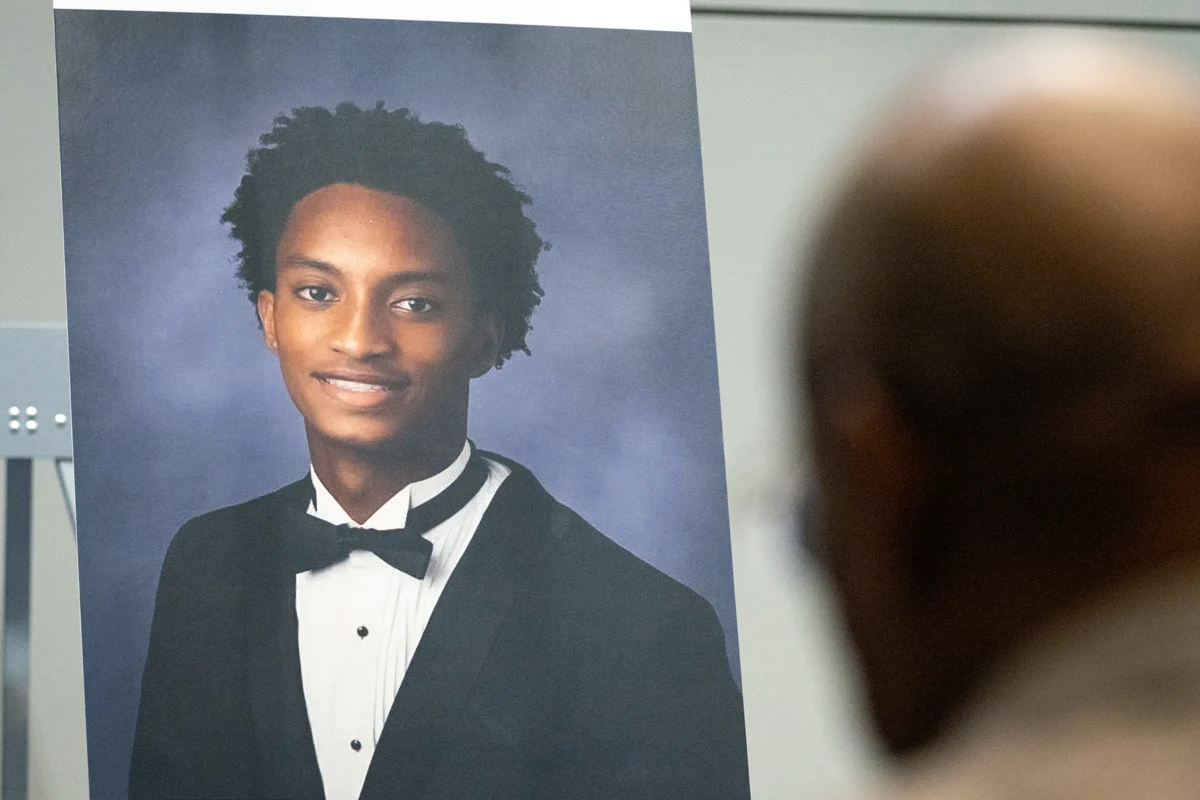
HangupsMusic.com – In a significant development surrounding the unresolved death of 18-year-old Nolan Wells, a new fundraising initiative has emerged, designed to provide legal defense for individuals associated with Wells on the day of his passing and to pursue potential defamation claims against a relentless "online mob." This campaign underscores the increasingly prominent role of digital platforms in shaping public opinion and the ensuing legal battles that can arise from intense online scrutiny. The case, which has drawn national attention, highlights the complex interplay between grief, speculation, and the swift, often unforgiving, judgment of the internet.
Nolan Wells’ tragic and still unexplained demise followed a Fourth of July outing with friends on a boat, culminating in the discovery of his body. The circumstances surrounding his disappearance and subsequent death have fueled a firestorm of conjecture, particularly given Wells’ identity as a Black teenager within a predominantly white social circle in the deep South. This demographic context, combined with the mysterious nature of the incident, quickly propelled the story beyond local news, igniting widespread debate across social media channels and traditional media alike. The emotional gravity of a young life cut short, coupled with the racial dynamics perceived by many, created a fertile ground for public discourse, which unfortunately often veered into accusatory and inflammatory territory.
The intensity of the public reaction prompted Wells’ parents to retain the services of renowned civil rights attorney Ben Crump, known for his involvement in high-profile cases advocating for racial justice. Their own GoFundMe campaign, aimed at funding an independent investigation to uncover the truth behind their son’s death, has garnered substantial support, amassing over $800,000. This outpouring of financial and emotional backing for the Wells family illustrates the profound public desire for answers and accountability, particularly when official investigations move slowly or when initial findings are deemed insufficient by grieving families and concerned citizens.
However, the narrative surrounding Wells’ death is now bifurcating, with a counter-movement emerging to protect those who were with him that fateful day. The GiveSendGo campaign, specifically benefiting individuals identified as Warren Hudson, Jax Pitalo, and Morgan Seymour, articulates a different kind of grievance: the devastating impact of targeted online harassment. These individuals, either known to have been with Wells or pictured with him on the boat, have reportedly faced an onslaught of death threats, threats of physical violence, and pervasive defamation. The campaign’s description paints a stark picture of lives upended by digital vitriol, where speculation transformed into certainty, and suspicion morphed into outright condemnation, all without the benefit of due process or verified facts.
Benjamin Hudson, the father of Warren Hudson, articulated the core purpose of this defensive and potentially offensive legal fund. He stressed that the initiative is not an attempt to stifle legitimate inquiry or respectful disagreement. Instead, it aims to establish a clear boundary against what he describes as "defamation, targeted harassment, threats of violence, doxxing, intimidation, and coordinated campaigns that destroy lives before the facts are known." This statement highlights a growing concern in the digital age: the distinction between free speech and harmful conduct, and the legal challenges in prosecuting the latter when perpetrated by a decentralized "online mob." The ease with which rumors can spread, individuals can be identified, and threats can be made under the cloak of anonymity or pseudonymity on social media platforms presents a formidable challenge to both victims and legal systems.
The decision to launch this fundraiser on GiveSendGo, a platform often associated with conservative causes and known for its less stringent content moderation policies compared to platforms like GoFundMe, is notable. This choice might reflect a perceived need for a platform that would not censor or remove the campaign based on the controversial nature of its stated goals, particularly the intent to pursue defamation claims against online detractors. As of early this week, the campaign had nearly achieved its $100,000 objective, signaling a significant base of support for the friends’ position and their right to legal defense against online accusations. The law firm Taylor and Cox, representing the Hudson family, confirmed the legitimacy of the fundraiser and their involvement, adding a layer of professional validation to the effort.
The broader implications of this development are profound. It signifies an escalating legal confrontation that extends beyond the initial investigation into Wells’ death, now encompassing the aftermath of public judgment and online vigilantism. The potential for wrongful death lawsuits against the friends by Wells’ family, and conversely, the pursuit of defamation claims by the friends against their online accusers, sets the stage for a protracted and emotionally charged legal battle. Such cases invariably test the boundaries of free speech, the responsibilities of social media platforms, and the definition of culpability in an era where digital communication can inflict real-world harm.
The "online mob" phenomenon, characterized by rapid consensus, collective outrage, and often anonymous targeting, presents a unique challenge to established legal frameworks. Proving defamation against a multitude of anonymous or pseudonymous accounts across various platforms is an arduous task, requiring extensive digital forensics and a nuanced understanding of internet law. Similarly, while wrongful death lawsuits in civil court do not require the same burden of proof as criminal charges, they still demand compelling evidence of negligence or intentional wrongdoing. The intersection of these two legal fronts—the pursuit of justice for a lost life and the defense against digital persecution—underscores the evolving nature of legal conflicts in the 21st century.
This case also serves as a stark reminder of how deeply racial dynamics can influence public perception and media narratives, especially in historically charged regions like the American South. The initial swiftness of public condemnation against Wells’ friends, some of whom are white, in the context of a Black teenager’s death, speaks to a societal sensitivity to issues of racial injustice and accountability. While understandable in the broader historical context, this sensitivity can, at times, inadvertently contribute to prejudgment and the proliferation of unverified claims online.
Ultimately, the unresolved nature of Nolan Wells’ death continues to cast a long shadow, now complicated by the specter of impending legal clashes. The dueling fundraising campaigns and legal strategies reflect a deeply fractured public narrative, where both sides seek justice and vindication. As the investigations proceed and legal actions potentially unfold, this case will undoubtedly offer critical insights into the power and peril of digital communities, the complexities of justice in the age of information, and the enduring quest for truth when tragedy strikes. The outcome will not only impact the individuals directly involved but may also establish significant precedents for how society navigates the volatile intersection of public grief, online scrutiny, and legal recourse in the years to come.
