
 By Rose Miami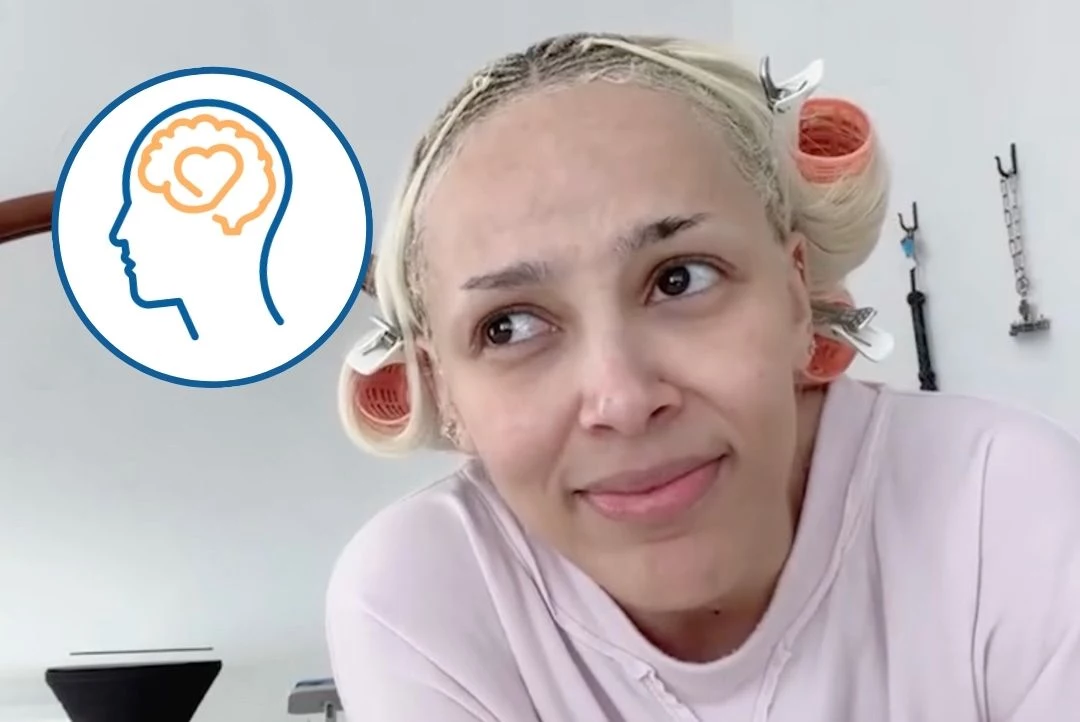
HangupsMusic.com – In a candid and deeply personal series of TikTok videos posted on Monday, August 31st, Grammy-winning artist Doja Cat (Amala Ratna Zandile Dlamini) directly addressed persistent online accusations of her being "demonic," choosing instead to shed light on a complex period of her life marked by struggles with substance use, untreated mental health challenges, and the pervasive influence of the internet. The artist, known for her chameleon-like artistic evolution and viral success, offered a raw and unvarnished look at the vulnerabilities that have shaped her journey, aiming to provide context and clarity for her audience.
Doja Cat began by explaining how the digital landscape became a conduit for her internal turmoil. "The best example from my experience is using the internet as a means of validation to the negative thoughts in my head," she shared, articulating how external negativity, amplified by her own internal struggles, created a damaging feedback loop. She clarified that while she has experienced periods of substance use, her primary struggles were not with illicit drugs beyond marijuana, but rather with alcohol and the profound impact of undiagnosed mental health conditions.
While she maintained that she never engaged in severe drug abuse, Doja Cat did acknowledge a specific period approximately eight years prior where she grappled with cocaine use. Crucially, she emphasized that this was a phase she has since overcome. However, she pinpointed the intersection of untreated mental illness and the relentless nature of social media as the most significant hurdles she has faced. The constant barrage of online interactions, particularly negative ones, has a profound effect on her, she explained, noting that she often finds herself more responsive to critical comments due to their impact on her emotional state.
"When people engage with me in a negative fashion, and I say stuff back to them, I respond more to those comments because I’m affected more by those comments, but I typically don’t give the same energy back," Doja Cat elaborated. This nuanced perspective suggests a deeper understanding of the motivations behind online criticism. She continued, "Once you understand that person is doing it out of their own personal, dare I say demons, it becomes more sad than it becomes angering and irritating." This empathy, born from her own experiences, offers a unique lens through which she views online discourse.

Beyond her recent revelations, Doja Cat also delved into her upbringing, touching upon the challenges of navigating her identity as a biracial individual in a predominantly white environment. She spoke of earlier struggles with self-acceptance and even self-hatred during her formative years. However, with maturity, she has cultivated a profound appreciation for her authentic self, highlighting her embrace of her natural hair and her overall appearance as testaments to this growth. These personal reflections underscore the multifaceted nature of her journey, encompassing not only external pressures but also internal battles for self-recognition and acceptance.
In a direct refutation of the harmful labels that have been attached to her, Doja Cat emphatically stated, "I don’t hate myself. I’m not racist. I’m not a White supremacist. I’m not a Nazi." This strong declaration serves as a powerful assertion of her values and a clear rejection of the misinterpretations that have circulated online. She expressed her intention to revisit these themes in greater depth in the future, though through a different medium and approach, indicating that this TikTok series was a necessary outlet for immediate catharsis. "Today felt like the right day," she concluded, signifying a moment of readiness to share these deeply personal narratives.
The artist’s willingness to openly discuss her past struggles with substance use, mental health, and identity issues marks a significant moment in her public engagement. It provides a humanizing counterpoint to the often-idealized image of celebrities and offers a message of resilience and self-discovery. For fans and observers alike, Doja Cat’s recent disclosures serve as a reminder of the complexities that lie beneath the surface of public personas and the importance of approaching individuals with empathy and understanding.
For those who may be experiencing similar struggles with mental health or substance use, resources are available. The 988 Suicide & Crisis Lifeline can be reached by calling or texting 988, connecting individuals with trained crisis counselors for confidential support.
(XXL Magazine)
