
 By admin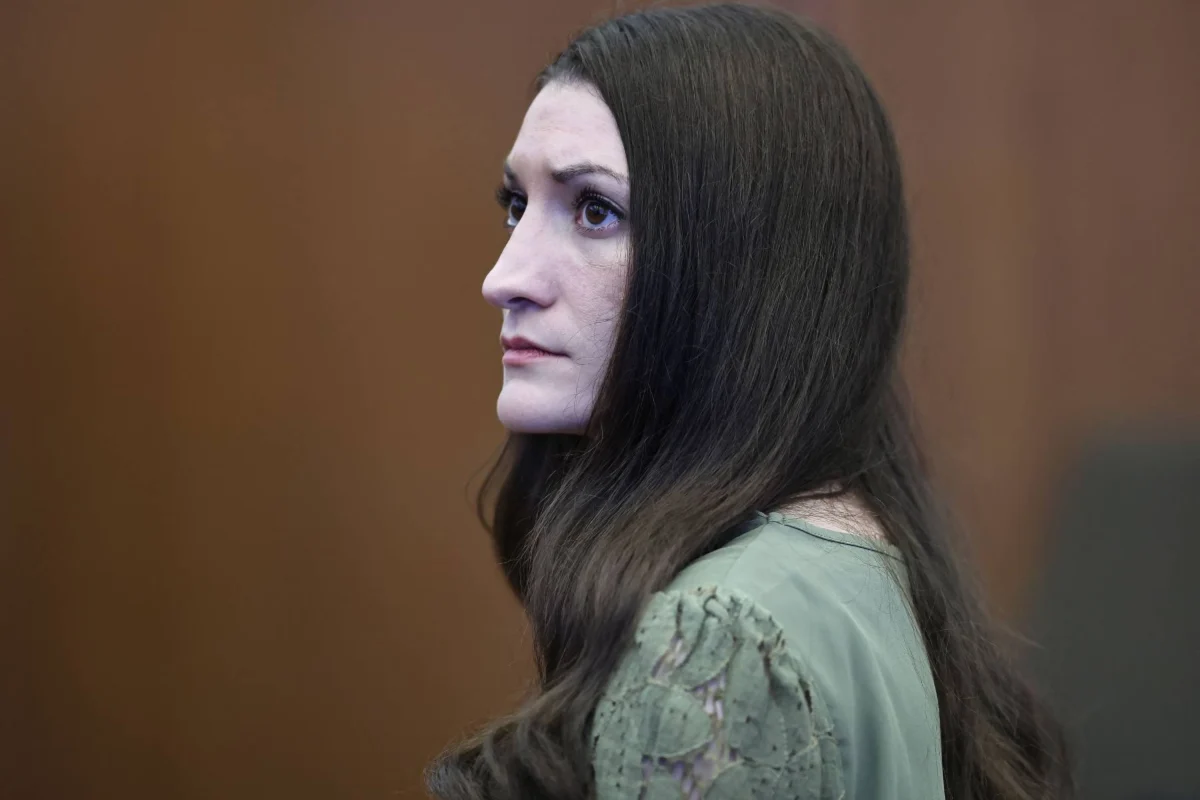
HangupsMusic.com – The legal landscape in Massachusetts remains gripped by an agonizingly unresolved tragedy following the declaration of a mistrial last week in the triple murder case against Lindsay Clancy, a mother accused of killing her three young children. The highly anticipated verdict, which many hoped would bring a measure of closure, instead exposed the profound complexities of justice when faced with allegations of severe mental illness, leaving a deeply divided jury and a community searching for answers. The proceedings, intensely scrutinized, culminated in a hung jury after protracted deliberations, underscoring the formidable challenge of discerning criminal intent amidst claims of a complete break from reality.
In the immediate aftermath of the mistrial, several jurors came forward to offer an unprecedented glimpse into the emotionally charged and ultimately stalemated discussions that unfolded behind the closed doors of the deliberation room. Among them was Kellie Farina, who recounted the harrowing experience of reliving the incident through the 911 call placed by Clancy’s now-estranged husband, Patrick Clancy, on that fateful night. Farina’s testimony painted a vivid and disturbing picture of the call’s impact, describing it as an auditory scar that would forever haunt her. She spoke of the visceral "desperation, the despair" in Patrick’s voice, a sound so genuinely agonizing that it brought the jurors to tears even during their re-listening sessions. The raw, unadulterated anguish conveyed through that recording left an indelible mark, serving as a constant, heart-wrenching reminder of the immense suffering at the core of the case.
Roni Carlson, who served as the jury foreperson, elucidated the critical distinction that formed the crux of their deliberations. She clarified that the jury’s task was not to ascertain whether Lindsay Clancy had committed the acts – a fact the defense largely conceded – but rather to grapple with the intricate question of her mental state at the time: "Did she know right from wrong?" This fundamental legal inquiry shifted the focus from the act itself to the defendant’s capacity for criminal responsibility. Carlson revealed that the evidence presented, including Clancy’s personal journals and the heartfelt testimony of her mother-in-law, painted a consistent picture of a loving mother. This evidence of deep maternal affection created a profound cognitive dissonance for the jurors, leading many to conclude that Clancy must have experienced a sudden, catastrophic mental collapse – that she had "snapped" – to reconcile her love for her children with the horrific acts.
The legal battle itself was a stark dichotomy of perspectives, each side presenting compelling arguments designed to sway the jury towards profoundly different conclusions. Prosecutors, in their pursuit of justice, argued vehemently that despite any personal struggles Lindsay Clancy might have been enduring, she possessed a clear understanding of the egregious nature of her actions when she tragically strangled her three young children with exercise bands. They contended that her mental distress, while acknowledged, did not absolve her of culpability, and they relentlessly pushed for a conviction on three counts of first-degree murder, implying premeditation and a conscious intent to kill. Their case likely focused on the methodical nature of the killings and any evidence suggesting Clancy’s awareness of her surroundings or actions before, during, or after the incident, to demonstrate she was not completely divorced from reality.
Conversely, Clancy’s defense team presented a harrowing narrative centered on the devastating impact of postpartum psychosis, a severe mental health condition that can manifest after childbirth. Her lawyers argued that Clancy, overwhelmed by a mental illness that had gone improperly treated, experienced a profound psychotic break. They claimed she was tormented by a "commanding male voice" compelling her actions, a chilling detail intended to illustrate her complete loss of touch with reality. The defense meticulously outlined the sequence of events following the alleged murders: Clancy’s desperate attempts to end her own life by slashing her throat and wrists, followed by her jump from a second-story window, an act that left her permanently paralyzed from the waist down. These self-inflicted injuries, her attorneys contended, were not acts of remorse from a criminal mind, but rather the desperate, chaotic actions of someone in the throes of a severe mental health crisis, wholly disconnected from the gravity of her deeds.
Defense attorney Kevin Reddington championed the argument that Clancy should be found "not criminally responsible" due to her debilitating and improperly managed mental illness. This verdict, if reached, would not have resulted in her immediate release but rather her indefinite commitment to a secure forensic psychiatric facility, where she would receive intensive treatment for her condition. Reddington’s strategy aimed to reframe the tragedy not as a cold-blooded crime but as a catastrophic medical event, a plea for understanding rather than punitive judgment within the framework of the law. The defense likely relied heavily on expert psychiatric testimony to illustrate the profound disorganization of thought and perception characteristic of postpartum psychosis, attempting to convince the jury that Clancy lacked the mens rea, or criminal intent, required for a murder conviction.
The journey through jury deliberations was anything but smooth, characterized by intense emotional exchanges and deep-seated disagreements. Sue O’Connell of NBC10 Boston, privy to details from the jurors, reported that the room was a crucible of raw emotion. While moments of "name calling" underscored the friction and frustration, there were also instances of profound human connection, with "hugs and words and actions of support and self-care" emerging amidst the tension. This duality highlights the immense personal toll such a case takes on those tasked with rendering judgment. Ultimately, the deliberations revealed a significant shift in perspective, with three jurors eventually being persuaded to find Clancy "not guilty by reason of insanity," a testament to the persuasive power of the defense’s arguments regarding her mental state.
However, the path to a unanimous verdict was irrevocably blocked by a single, unwavering juror. Juror Paula Devlin, speaking to NBC10, described this holdout as "very arrogant," emphasizing his steadfast refusal to budge despite seemingly acknowledging the core issue. The foreperson recounted the agonizing moment when the holdout juror "admitted he had reasonable doubt." This admission initially sparked a surge of hope, prompting the foreperson to begin filling out the necessary forms, even signing them in anticipation of a resolution. But that hope was swiftly dashed when the juror, immediately after conceding reasonable doubt, declared, "But I’m still not going to say that she’s not guilty by reason of insanity." This paradoxical stance, acknowledging doubt about her criminal responsibility yet refusing to align with the corresponding verdict, created an insurmountable impasse.
The jury spent a grueling week locked in deliberation, wrestling with the complex legal and emotional dimensions of the case. Despite their exhaustive efforts and the intense pressure to reach a consensus, the unyielding stance of the lone holdout ultimately rendered a unanimous verdict impossible. Forced to concede their inability to reconcile their differing perspectives, the jury informed the judge of their deadlock, leading to the formal declaration of a mistrial.
The mistrial leaves the future of Lindsay Clancy and this heart-wrenching case in a precarious state. While the immediate outcome offers no definitive answers, it thrusts the complex issue of postpartum mental health and its intersection with the legal system back into the public consciousness. The profound tragedy for the three young victims, the unimaginable grief of Patrick Clancy, and the ongoing legal and medical battles facing Lindsay Clancy underscore the enduring and deeply painful questions this case continues to raise about justice, compassion, and the limits of human understanding in the face of overwhelming mental illness. The echoes of despair from the 911 call and the lingering doubt within the jury room will undoubtedly resonate long after the court proceedings conclude, serving as a stark reminder of the profound human cost of such unresolved sorrows.
