
 By admin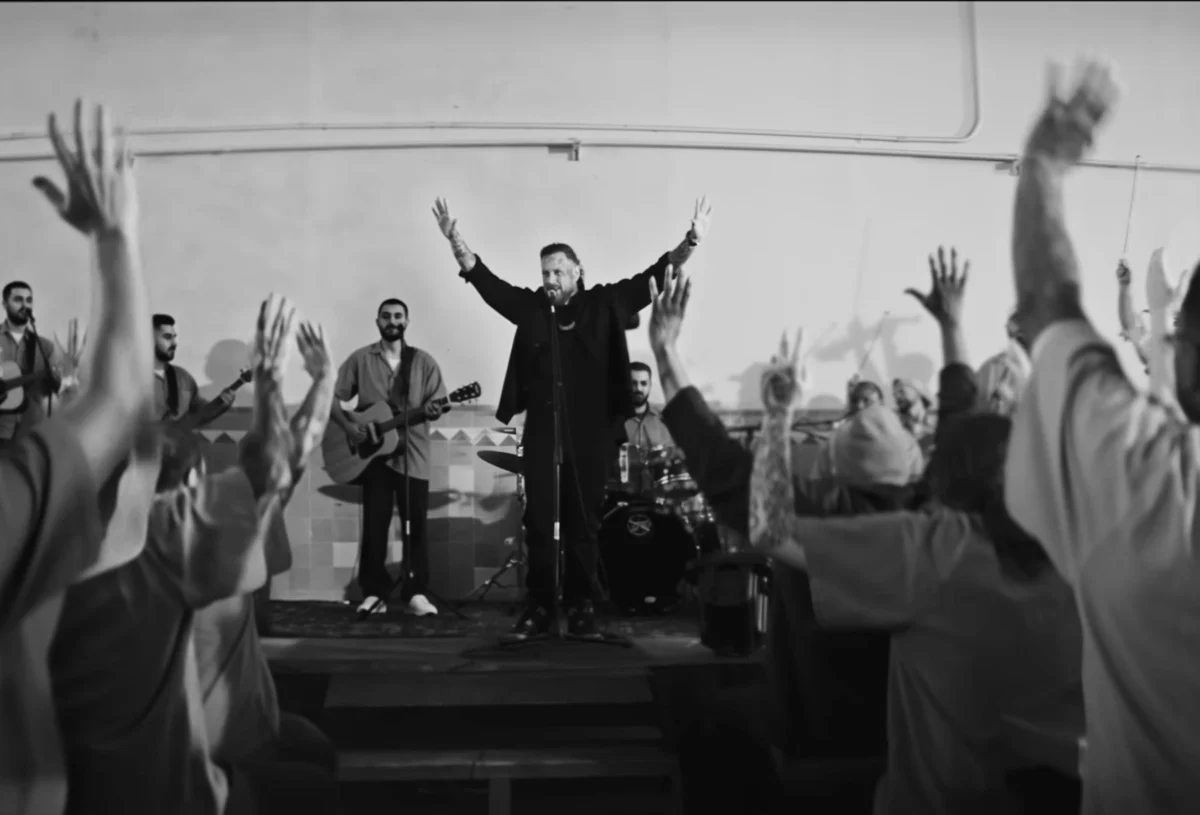
HangupsMusic.com – San Quentin, California – A profound artistic statement unfolded recently within the austere walls of San Quentin State Prison as genre-bending artist Jelly Roll unveiled the powerful visual accompaniment for his latest single, "Hands Up." The decision to film the video at the storied Northern California correctional facility, a site hallowed by the likes of Johnny Cash, Frank Sinatra, and Metallica, marks a deeply personal and culturally resonant moment for the musician, whose own journey includes a past shadowed by incarceration. Far from a mere performance, Jelly Roll’s venture into San Quentin is a poignant continuation of a legacy, intertwining his personal narrative of redemption with the raw realities faced by those currently behind bars.
The raw authenticity of the "Hands Up" video is immediately striking, a deliberate choice emphasized by Jelly Roll himself. "These are not actors. This is not a movie set," he affirmed, underscoring the gravity of his collaboration with the actual inmates and staff of what is now known as the San Quentin Rehabilitation Center. This commitment to verisimilitude imbues the video with an unvarnished power, transforming it from a mere musical production into a candid portrayal of life within the carceral system, filtered through the lens of an artist who intimately understands its contours. The lyrics and visuals coalesce to explore themes of surrender, transformation, and the arduous path to self-reclamation, resonating with profound sincerity given the setting and the artist’s background.
For Jelly Roll, born Jason DeFord, the visit to San Quentin was more than a professional endeavor; it was a pilgrimage to a place that mirrors his past struggles. His candidness about his own time spent incarcerated has long been a cornerstone of his public persona and artistic output. This lived experience lends an unparalleled credibility to his music, particularly to a track like "Hands Up," which speaks directly to the moment of capitulation – the point where one recognizes the need for change and chooses a different path. "The moment my life truly changed is when I threw my hands up," Jelly Roll reflected, articulating a sentiment that undoubtedly found a powerful echo among the men with whom he shared this unique experience. His hope that others would recognize their own "hands up" moment within the song and video speaks volumes about his desire to connect and inspire.
The historical weight of San Quentin cannot be overstated in the context of this project. Six decades prior, in 1969, Johnny Cash immortalized the prison with his groundbreaking live album, At San Quentin. Cash’s performance transcended mere entertainment, offering a rare glimpse into the humanity of the incarcerated and cementing his image as the "Man in Black" – a voice for the downtrodden and overlooked. His decision to perform for inmates was revolutionary, challenging societal perceptions and advocating for empathy at a time when such views were far from mainstream. By choosing the same iconic location, Jelly Roll consciously aligns himself with Cash’s enduring legacy of using music as a bridge between worlds, bringing hope and validation to those often forgotten. It’s a powerful acknowledgment of the lineage of artists who have recognized the unique power of art to penetrate the toughest of environments and speak to the soul.
Beyond Cash, San Quentin has played host to a diverse array of musical talents, each leaving their own indelible mark. Frank Sinatra, known for his charismatic stage presence, also graced the prison with a performance, bringing a touch of Rat Pack glamour to the inmates. Decades later, the heavy metal titans Metallica famously visited, not just to perform, but to offer a raw, unvarnished look at the lives of those inside, creating a powerful documentary that resonated with fans worldwide. This rich tapestry of artistic engagement highlights a consistent belief in the redemptive and unifying power of music, regardless of genre or era. Jelly Roll’s addition to this illustrious list solidifies his position as an artist deeply committed to social commentary and personal outreach, extending the tradition of compassion and connection to a new generation.
The production of the "Hands Up" video was, by all accounts, an undertaking fraught with logistical complexities and profound emotional resonance. Filming within an active maximum-security prison requires extensive planning, clearances, and adherence to strict protocols. Yet, the challenges were clearly overshadowed by the profound impact the experience had on Jelly Roll and, presumably, on the inmates involved. His effusive gratitude, extended to "everyone involved, especially the guys in the facility, San Quentin and every single staff member," speaks to the collaborative spirit and the deep respect fostered during the shoot. He hailed it as "truly one of the most special things I’ve ever had the opportunity to do," a sentiment that suggests the experience was transformative for him personally, rather than just another career milestone.
The conceptual depth of "Hands Up" within the prison environment is multi-layered. The phrase itself carries a dual meaning: the involuntary act of surrender to authority, often associated with arrest, and the voluntary act of spiritual or personal surrender, signifying a turning point. Jelly Roll’s narrative leans heavily into the latter, framing it as a moment of profound personal decision-making that leads to a path of healing and self-improvement. For the inmates, this dichotomy is acutely felt; their "hands up" moments may have initially been forced, but the song offers a pathway to reframe that gesture into one of conscious choice towards betterment. This message of agency, even within the confines of incarceration, is a potent one, offering a glimmer of hope and a validation of their inner struggles and desires for change.
Jelly Roll’s rise to prominence has been characterized by his unflinching honesty and his ability to fuse country, rock, and hip-hop elements into a distinctive sound that resonates with a broad audience. His music often explores themes of struggle, addiction, faith, and redemption, making him a compelling voice for those navigating their own difficult paths. The "Hands Up" video at San Quentin is a natural extension of this artistic mission, providing a visual testament to the very themes that define his career. It reinforces his image not just as a successful musician, but as a genuine advocate for second chances and a champion for those on the margins of society. His vulnerability and willingness to share his own past struggles create an authentic bridge with his audience, fostering a sense of shared humanity.
In a poignant turn of events, the release of the "Hands Up" video arrived just hours after news broke that Jelly Roll and his wife, Bunnie Xo, had finalized their divorce after a decade of marriage. This confluence of professional triumph and significant personal upheaval offers a stark illustration of the complex realities of an artist’s life. While the details of his personal life remain private, the timing might suggest an artist pouring profound emotional experiences – both challenging and redemptive – directly into his craft. It underscores the idea that art often emerges from the deepest wells of human experience, serving as both a catharsis for the creator and a mirror for the audience. The dedication and emotional investment required to produce such a deeply personal and impactful video, even amidst personal turmoil, speaks to Jelly Roll’s unwavering commitment to his artistic vision and his audience.
Ultimately, Jelly Roll’s "Hands Up" video from San Quentin is more than a music video; it is a powerful piece of social commentary, a continuation of a historical artistic legacy, and a deeply personal testament to the possibility of redemption. It challenges viewers to look beyond the walls of incarceration and recognize the shared humanity within, while offering a message of hope and transformation that transcends any single genre or demographic. In a world often quick to judge, Jelly Roll reminds us that the journey of throwing one’s hands up can be the first step towards standing tall.
