
 By admin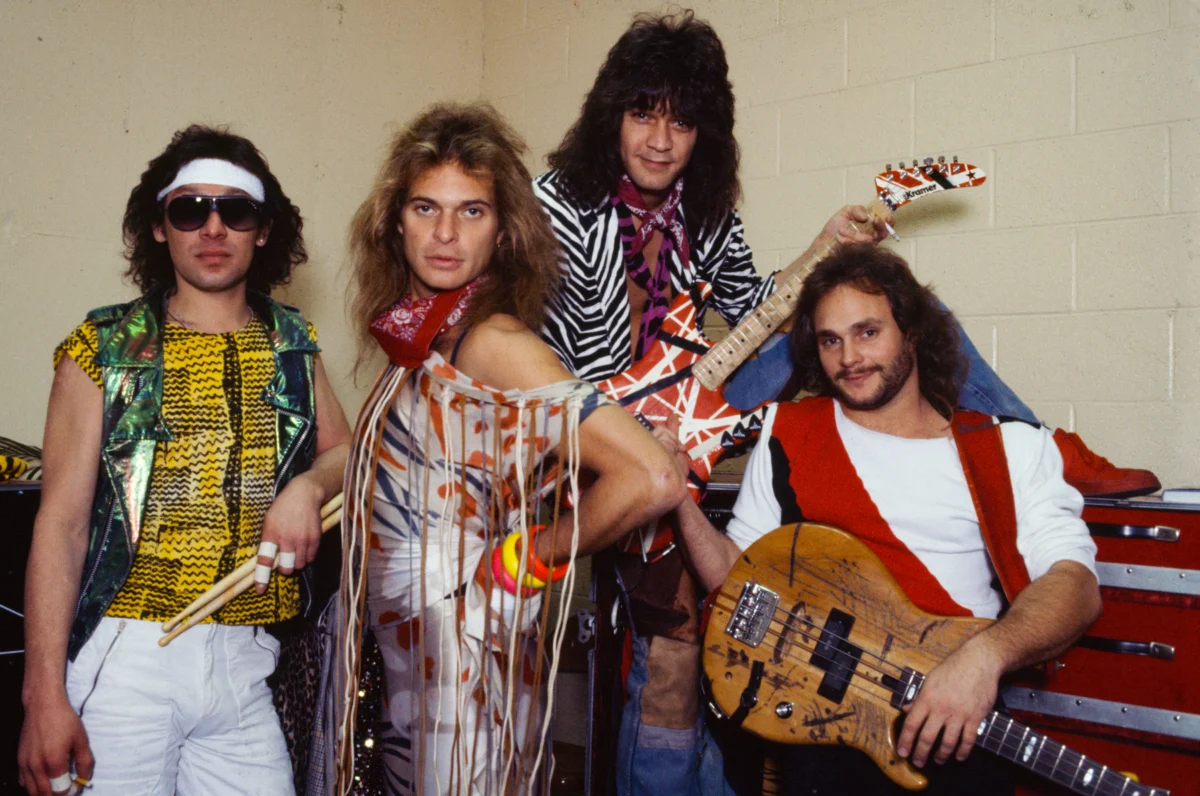
HangupsMusic.com – From the moment its iconic guitar riff tears through the speakers, Van Halen’s "Panama" has stood as an undeniable cornerstone of rock history. Released in 1984, this track from their monumental 1984 album quickly transcended mere popularity to become a definitive anthem, encapsulating the very essence of the band’s electrifying sound and charismatic persona. More than just a hit single, "Panama" is often cited as the quintessential Van Halen composition, a high-octane showcase of the collective genius of Eddie Van Halen, David Lee Roth, Alex Van Halen, and Michael Anthony, whose individual talents converged to create a sonic explosion that continues to captivate audiences decades later. Its enduring presence in live performances and its pervasive influence on rock culture underscore its status as an immortal classic, a vibrant snapshot of an era when Van Halen ruled the airwaves and concert stages with unparalleled energy and innovation.

The year 1984 was a pivotal moment for Van Halen, marked by the release of their sixth studio album, which boldly shared the same title. This record was a game-changer, propelling the band to stratospheric levels of success largely due to its innovative integration of synthesizers, most famously on the chart-topping single "Jump." While "Jump" showcased a new sonic direction, "Panama" served as a powerful reminder of the band’s raw, guitar-driven power-rock roots. Alongside "Hot for Teacher," these three singles dominated the airwaves, cementing 1984‘s place as a multi-platinum masterpiece and a landmark achievement in hard rock. Within this context of groundbreaking success and evolving sound, "Panama" emerged as a vital anchor, demonstrating that even amidst experimentation, Van Halen’s core identity — a blend of blistering musicianship and audacious showmanship — remained thrillingly intact.

Curiously, upon its release, "Panama" sparked a minor wave of misinterpretation among some listeners who perceived a political undertone in its title. The early 1980s were a turbulent period for the Central American nation. In 1981, the enigmatic military leader Omar Torrijos met a mysterious end in a plane crash, paving the way for the rise of General Manuel Noriega, whose ascent to power in 1983 was shadowed by allegations of drug trafficking and authoritarian tactics. A contentious election in the spring of 1984 further fueled international scrutiny, laying the groundwork for what would eventually culminate in a U.S. invasion five years later. Against this backdrop of political unrest and global headlines, it was perhaps understandable that some fans, accustomed to artists occasionally dipping into social commentary, might have connected Van Halen’s new track to the geopolitical hotspot. However, as is often the case with rock and roll’s most iconic provocateurs, the band’s interests lay far from the intricacies of international relations.

Indeed, any notion of political engagement was quickly dispelled by David Lee Roth, Van Halen’s flamboyant frontman and primary lyricist, who repeatedly clarified the song’s true inspiration. Roth, known for his theatrical flair and often-colorful, sometimes contradictory narratives, offered a couple of potential origins for "Panama." One tale points to a legendary drag racing car, aptly named the "Panama Express," a powerful machine that embodied speed and exhilaration. Another, more personal account, links the song to Roth’s own beloved 1969 Opel Kadett Caravan wagon, which he affectionately nicknamed "Panama." While Roth’s storytelling could often be as enigmatic as it was entertaining, he consistently maintained that the song was born from a direct challenge. He recounted being criticized by a music journalist who accused Van Halen of exclusively crafting songs about "women, partying, and fast cars." Roth, ever the showman, purportedly realized that despite the band’s reputation, they hadn’t actually penned a definitive song about a fast car. Seizing the opportunity to prove the critic both right and wrong, he set out to rectify this perceived oversight, willing a genuine automotive anthem into existence.

Yet, even Roth’s seemingly straightforward explanation carries the signature layers of double entendre that defined much of his lyrical genius. A closer examination of lines such as "Here she comes, full blast and top down" or "Out an on-ramp coming through my bedroom" reveals a narrative far richer than a mere ode to internal combustion. These evocative phrases, dripping with suggestive imagery, clearly hint at a sensual, almost erotic undertone, cleverly intertwining the thrill of a powerful machine with the allure of human desire. The car, in Roth’s hands, becomes a potent metaphor for a captivating woman or an intoxicating romantic encounter, blurring the lines between the mechanical and the passionate. This lyrical dexterity echoes the playful ambiguity found in other rock classics, most notably Prince’s "Little Red Corvette," where the sleek lines and roaring engine of a sports car serve as a thinly veiled allegory for an exhilarating, yet potentially fleeting, romantic liaison. This masterful fusion of explicit subject matter with implicit sexual energy is a hallmark of Roth’s songwriting and a key component of "Panama’s" enduring charm.

Beyond its intriguing lyrical origins, "Panama" is a masterclass in musical execution, a tight, explosive three-and-a-half minutes that perfectly showcases the individual brilliance and collective synergy of the band members. At its heart lies Eddie Van Halen’s guitar work, a relentless, driving force that defines the track. His opening riff is instantly recognizable, a powerful, propulsive cascade of notes that grabs the listener and never lets go. The solo, when it arrives, is a whirlwind of technical prowess and melodic invention, characteristic of Eddie’s groundbreaking style, yet perfectly integrated into the song’s fabric rather than serving as a mere indulgence. Alex Van Halen’s drumming provides a thunderous foundation, a precise yet powerful rhythmic assault that propels the song forward with unwavering intensity. Michael Anthony’s bass lines are not just supportive but integral, adding depth and groove that lock in with Alex’s drums to create an unstoppable rhythm section. And then there’s Roth, whose vocal performance is pure, unadulterated rock-and-roll swagger. His delivery is confident, playful, and perfectly attuned to the song’s energetic vibe. The track also features a unique, memorable moment: the actual sound of Eddie Van Halen revving the engine of his Lamborghini, a detail that further blurs the lines between the song’s inspiration and its auditory reality, cementing its status as an iconic sonic signature.

Ultimately, "Panama" stands as a definitive distillation of the Van Halen sound. For anyone seeking to understand the band’s appeal, their musical philosophy, and their unique place in rock history, this song serves as an ideal introduction. It encapsulates their signature blend of raw power, intricate musicianship, and unbridled showmanship. The track possesses an undeniable energy that is both sophisticated in its construction and primal in its impact, a testament to the four musicians operating at the peak of their creative powers. It’s a song that speaks to the thrill of speed, the allure of the unknown, and the intoxicating freedom of the open road, all wrapped in a package of virtuosic rock and roll.

The song’s status as a quintessential Van Halen track is further solidified by its enduring presence in their live performances. From the moment it was conceived, "Panama" became an indispensable staple in virtually every Van Halen concert setlist. Its infectious energy and audience appeal ensured its longevity, transcending lineup changes and shifting eras. Even after David Lee Roth’s initial departure and the arrival of Sammy Hagar, "Panama" remained a crowd-pleaser, embraced by both frontmen. In recent years, both Roth and Hagar, performing separately, have continued to feature "Panama" prominently in their live shows, a testament to its undeniable effectiveness as a concert staple. Despite their well-documented differences and often divergent musical approaches, both iconic vocalists agree on one crucial point: "Panama" simply works live. Its powerful riffs, driving rhythm, and singalong chorus create an electrifying atmosphere, igniting audiences with its raw, unapologetic rock spirit. This universal appeal, bridging different iterations of the band and different lead singers, underscores "Panama’s" unique position as a timeless anthem, a pulsating heartbeat in the vast and vibrant body of Van Halen’s enduring legacy. Its ability to electrify a crowd, regardless of who is fronting the band, is a powerful indicator of its intrinsic greatness and its unwavering connection to the very soul of rock and roll.
