
 By Azzam Bilal
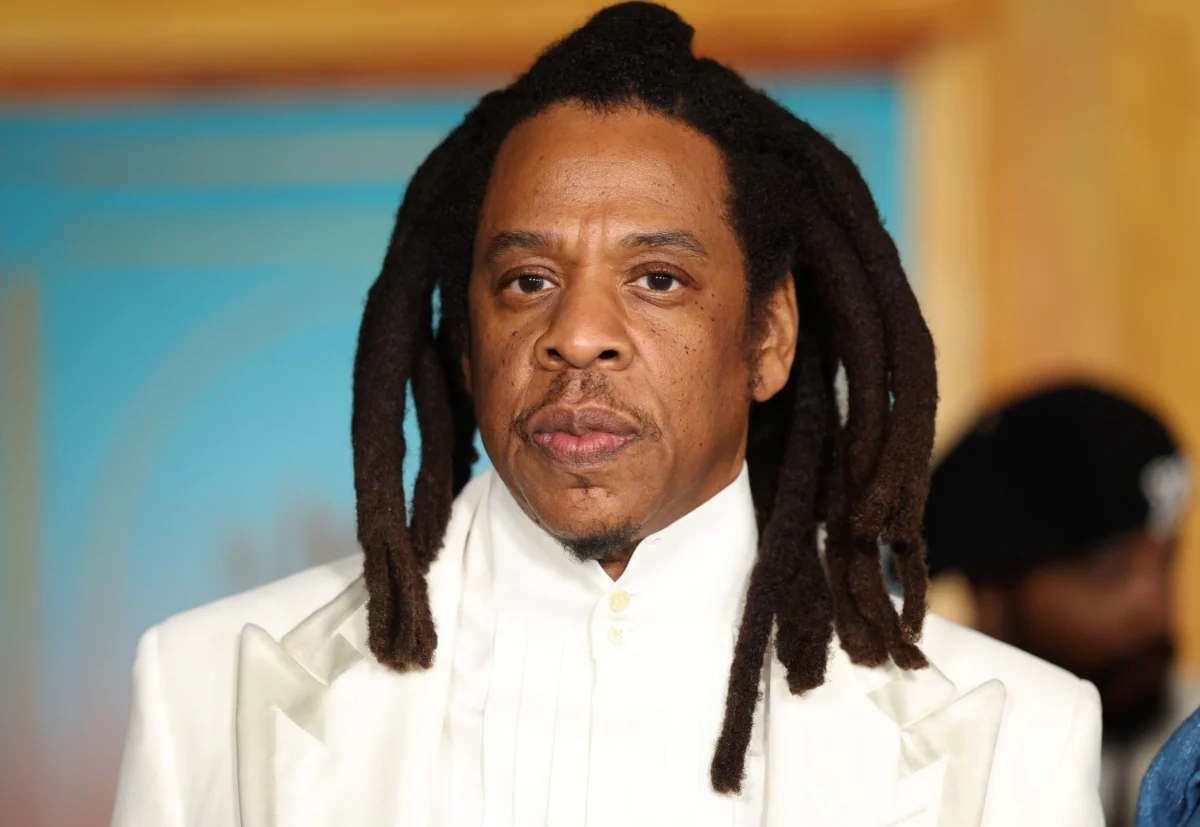
HangupsMusic.com – NEW YORK, In a stunning reversal that has sent shockwaves through the music industry and the legal community alike, the woman who leveled harrowing accusations of sexual assault against hip-hop mogul Shawn “Jay-Z” Carter has officially recanted her claims in their entirety. In a detailed, sworn declaration, the individual—who has been litigating under the pseudonym Jane Doe—admitted that the events she previously described under penalty of perjury never occurred. This development marks a pivotal turning point in a saga that has dominated headlines for months, shifting the focus from the conduct of world-renowned celebrities to the ethics of the high-stakes legal machinery behind the allegations.
The legal journey began in the waning months of 2024, a period during which the music industry was already reeling from a series of high-profile lawsuits involving Sean “Diddy” Combs. Jane Doe initially filed suit against Combs, alleging that she had been the victim of a brutal assault during an afterparty following the 2000 MTV Video Music Awards. In her initial filing, she claimed that Combs and an “unnamed male celebrity” had raped her when she was just 13 years old, while a third celebrity watched the incident unfold. The gravity of the claims, involving a minor and two of the most powerful figures in entertainment history, immediately drew international scrutiny.
As the litigation progressed, the plaintiff took the significant step of refiling her complaint to specifically name Shawn Carter as the second assailant. The amended lawsuit painted a graphic picture of a coordinated assault, alleging that Carter had participated in the abuse alongside Combs. For Jay-Z, a billionaire entrepreneur and cultural icon known for maintaining a meticulously curated public image, the accusations represented a profound threat to his legacy and business empire. From the outset, both Carter and Combs issued vehement denials, with legal representatives for Jay-Z characterizing the claims as a complete fabrication intended to extort a settlement.
The momentum of the case shifted dramatically in February 2025. Rather than proceeding toward a discovery phase or a trial, Jane Doe filed to voluntarily dismiss her lawsuit with prejudice. In legal terms, a dismissal “with prejudice” is a finality; it prevents the plaintiff from ever bringing the same claims against the defendants in any future court proceeding. While such dismissals can sometimes indicate an out-of-court settlement, the subsequent actions taken by Jay-Z’s legal team suggested a far more contentious resolution. Despite the lawsuit being dropped, Carter did not retreat. Instead, he doubled down on his defense, filing a counter-suit that accused Jane Doe of “willful defamation per se” and “malicious prosecution.” His attorneys argued that the allegations were not merely mistaken, but were knowingly false and designed to inflict maximum reputational damage.
The most definitive blow to the credibility of the original lawsuit came this past Thursday with the filing of an 11-page sworn declaration by the accuser. The document, which was obtained and reviewed by major news outlets including Rolling Stone, serves as a total exoneration of the rapper. In the declaration, Jane Doe was unequivocal: “Shawn ‘Jay-Z’ Carter never raped me,” she stated. She went even further, admitting that the two had never even crossed paths. “I have never met or spoken to Mr. Carter. Mr. Carter never engaged in any inappropriate conduct toward me whatsoever.”
The declaration also addressed the psychological and social fallout of the false claims. The accuser expressed regret for the impact her words had on Carter’s life and career, acknowledging that her “false accusations have caused Mr. Carter immense pain, suffering, and damage that can never be fully undone.” Crucially, the document stated that the recantation was not the result of a financial payoff, asserting that she had not been compensated to clear Carter’s name. This detail is significant, as it suggests the recantation was driven by a desire to avoid the legal consequences of her prior statements or a crisis of conscience, rather than a negotiated silence.
While the recantation has led Jay-Z to drop Jane Doe as a defendant in his defamation suit, the legal battle is far from over. The focus of Carter’s litigation has now shifted squarely onto the shoulders of Jane Doe’s former lead counsel, Tony Buzbee, and his law firm. Buzbee, a high-profile Texas attorney known for representing plaintiffs in massive civil suits—including dozens of cases against NFL quarterback Deshaun Watson—now finds himself in the crosshairs of one of the most powerful men in music.
The core of the remaining legal dispute centers on how these false allegations came to be filed in the first place. Earlier in 2025, reports surfaced that Jane Doe had spoken with two private investigators, claiming that she had been pressured by her legal counsel to include Jay-Z in the lawsuit. According to these accounts, the accuser alleged that Buzbee encouraged her to name Carter as a co-defendant specifically to bolster the profile of the case against Sean Combs and to increase the leverage for a potential settlement. If these claims are proven true, it would represent a severe breach of legal ethics and could lead to significant sanctions or disbarment for the attorneys involved.
The implications of this case extend beyond the individuals named in the filings. For the music industry, the collapse of the Jane Doe lawsuit serves as a cautionary tale regarding the vetting of historical allegations. In the era of increased accountability for sexual misconduct, there has been a necessary push to believe survivors and provide them with a platform to seek justice. However, the Jay-Z case highlights the potential for the legal system to be weaponized through fabricated narratives, which can ultimately harm the credibility of genuine victims.
Furthermore, the case underscores the unique vulnerability of high-net-worth individuals to "litigation PR." In her declaration, Jane Doe admitted to the "immense pain" caused by her claims, a sentiment that resonates with the broader reality of how accusations travel in the digital age. Even when a claim is proven false, the initial headline often lingers in the public consciousness longer than the subsequent retraction. By pursuing his suit against the legal architects of the claim, Jay-Z appears to be attempting to set a precedent that there are severe consequences for filing demonstrably false, high-profile lawsuits.
As of this week, Tony Buzbee and his firm have not issued a formal response to the specific allegations regarding the coaching of the witness, though they have previously defended their right to represent clients based on the information provided to them. The legal community is watching closely to see how the court handles the "malicious prosecution" claims against the lawyers. Usually, attorneys are protected by a degree of immunity for the arguments they make in court, but that protection does not extend to knowingly filing false claims or suborning perjury.
For Sean Combs, the situation remains complex. While Jane Doe’s recantation specifically clears Jay-Z and admits to the falsity of the claims regarding the 2000 VMAs party, Combs remains embroiled in a litany of other legal challenges and federal investigations that are independent of this specific case. However, the total collapse of the Jane Doe narrative provides a rare piece of favorable news for his defense teams, who have long argued that a "bandwagon effect" has led to a surge of unvetted and opportunistic lawsuits against him.
The story of Jane Doe versus Shawn Carter will likely be studied for years as a landmark instance of a high-profile recantation. It serves as a stark reminder of the power of the written word in a legal complaint and the devastating potential of a narrative that is disconnected from the truth. As Jay-Z moves forward, his focus remains on clearing the final hurdles of his reputation management and ensuring that those he holds responsible for the "willful defamation" are held accountable in a court of law. For now, the "Jane Doe" who once stood as a primary accuser has exited the stage, leaving behind a trail of legal documents that tell a story of a crime that never happened and a legal strategy that spectacularly backfired.
