 By admin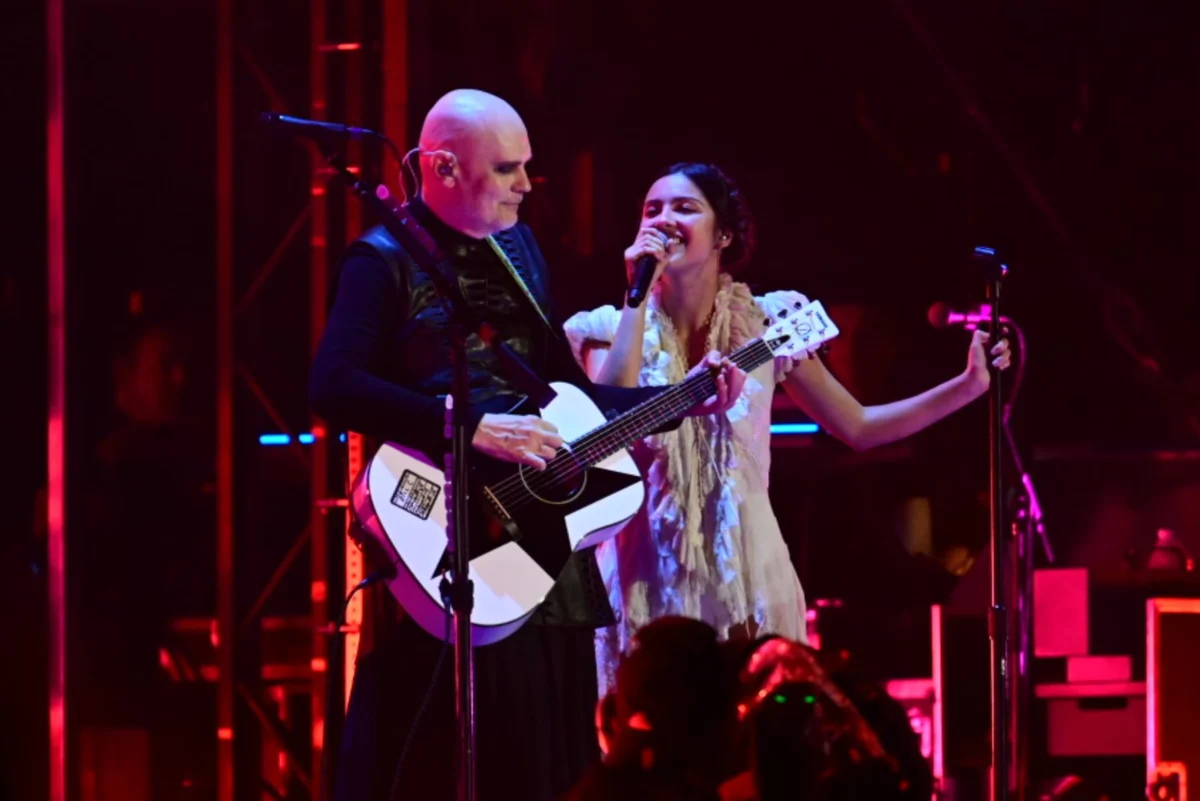
HangupsMusic.com – Chicago, The air crackled with anticipation, thick with the humid energy of a quintessential Lollapalooza evening, as The Smashing Pumpkins took to the stage, ready to unleash a torrent of alternative rock anthems. What unfolded, however, transcended a mere performance; it was a masterclass in generational bridge-building, an audacious celebration of their enduring legacy, punctuated by a series of electrifying, unannounced collaborations that left the massive Grant Park crowd in awe. Frontman Billy Corgan, ever the enigmatic ringmaster, orchestrated a spectacle that not only revisited the band’s iconic 90s sound but also boldly invited contemporary voices to reinterpret it, forging unforgettable moments that blurred the lines between past and present.
Lollapalooza itself holds a special place in the annals of alternative music history, having begun as a touring festival founded by Jane’s Addiction frontman Perry Farrell in the early 90s. It was a crucible for the sounds that defined a generation, and The Smashing Pumpkins, with their unique blend of sonic grandeur, ethereal introspection, and raw power, were central to that era. Their return to the festival’s main stage in their hometown of Chicago always carries a profound weight, a sense of homecoming and reaffirmation of their status as rock titans. Corgan, known for his theatrical flair and willingness to push boundaries, seized this opportunity to craft a performance that was both deeply nostalgic and thrillingly forward-looking.
The first seismic collaboration of the evening arrived less than an hour after he had concluded his own blistering, high-octane set on another Lollapalooza stage. The dynamic British artist Yungblud, a figure renowned for his genre-defying punk-rock energy and impassioned stage presence, re-emerged to join The Smashing Pumpkins. The crowd’s roar intensified as Yungblud, clad entirely in black, mirrored Corgan’s signature stage attire, took his place alongside the band. Together, they launched into a captivating rendition of "Luna," the wistful, atmospheric closing track from the Pumpkins’ seminal 1993 masterpiece, Siamese Dream. This four-time-platinum album is celebrated for its intricate layers of guitar, Corgan’s distinctive vocal delivery, and its blend of dream-pop sensibilities with hard-rock intensity. Yungblud’s interpretation of "Luna" was a revelation; his typically frenetic energy was tempered by the song’s delicate melody, allowing his vocals to soar through its euphoric verses with an unexpected grace, yet still imbued with his characteristic raw emotion. Corgan, shifting effortlessly to acoustic guitar, provided a textured backdrop, allowing Yungblud’s voice to take center stage. The sight of these two distinct artists, one a grunge-era icon and the other a modern punk-pop phenomenon, sharing the stage on a track so deeply embedded in alternative rock lore, was a powerful statement. Yungblud’s heartfelt exclamation, "This is a fucking dream come true!" resonated not just as a personal triumph, but as an echo of countless fans in the audience who recognized the profound significance of the moment. It was a vivid illustration of how deeply the Pumpkins’ music has permeated successive generations of artists.
No sooner had Yungblud departed than Corgan, with a mischievous glint in his eye, prepared the audience for another revelation. "And now I’d like to bring out a very, very special guest. Miss Olivia Rodrigo!" The announcement sent a fresh wave of frenzied cheers through Grant Park. Rodrigo, the pop-punk sensation whose meteoric rise has captivated millions, materialized onstage, her presence a striking visual contrast to the band’s darker aesthetic. She appeared to float, adorned in a sheer baby doll dress and knee-high stockings, an ensemble that perfectly blended youthful innocence with a touch of gothic romanticism. The band, with Corgan now on acoustic guitar, transitioned into "Thirty-Three," a track from the Pumpkins’ equally monumental 1995 double album, Mellon Collie and the Infinite Sadness.
"Thirty-Three" is an introspective, melancholic ballad, known for its gentle acoustic strumming and Corgan’s reflective lyrics about transition, dreams, and self-discovery. Rodrigo’s performance breathed new life into the classic. Her powerful yet vulnerable voice, typically reserved for her own chart-topping anthems of teenage angst and heartbreak, found a profound resonance in the song’s tender sadness. The stage was bathed in a deep, evocative red light, and in a stroke of serendipitous magic, a gentle rain began to fall, enhancing the already dreamy and ethereal atmosphere. The combination of Rodrigo’s captivating presence, the song’s enduring beauty, and the dramatic stage lighting and natural elements created one of the most visually stunning and emotionally resonant moments of the entire festival. It was a powerful testament to the enduring appeal of the Pumpkins’ songwriting and Rodrigo’s ability to connect with material beyond her usual genre, further cementing her status as a versatile and formidable artist. The collaboration underscored the timelessness of the Pumpkins’ catalogue, demonstrating how their music can transcend genre and appeal to an entirely new demographic.
These surprise appearances at Lollapalooza weren’t isolated incidents of Corgan’s penchant for the unexpected. Earlier in the week, at a special Lollapalooza aftershow, The Smashing Pumpkins had already set a precedent for eclectic collaborations. In a move that truly stunned and delighted the audience, they brought out none other than actor Barry Williams, forever etched in pop culture history as Greg Brady from the iconic 1970s sitcom, The Brady Bunch. Together, they performed the sitcom family’s cheerful 1972 hit, "It’s a Sunshine Day." This seemingly incongruous pairing showcased a playful, almost surreal side to Corgan and the band, underscoring their willingness to embrace unexpected musical territories and inject a dose of pure, unadulterated fun into their performances. It was a moment that defied categorization, blending earnest rock with delightful kitsch, a testament to Corgan’s unique artistic vision that extends beyond conventional rock performance.
The aftershow also featured a more historically resonant reunion for long-time fans. Melissa Auf der Maur, the acclaimed bassist formerly of Hole and a brief, but impactful, touring member of The Smashing Pumpkins in 2000, joined the band onstage. Her return was met with enthusiastic applause as she contributed to a powerful rendition of "The Everlasting Gaze" from the band’s 2000 album, Machina/The Machines of God. Auf der Maur’s distinctive basslines and stage presence were integral to a specific chapter of the Pumpkins’ history, and her reappearance was a nostalgic nod to that era, offering a moment of genuine connection for fans who remembered her contributions. Her presence not only celebrated a past lineup but also highlighted the intricate and evolving tapestry of the band’s musical journey.
In essence, The Smashing Pumpkins’ Lollapalooza appearances, both on the main stage and at the aftershow, were far more than just concerts. They were carefully curated events that brilliantly intertwined the band’s storied past with exciting contemporary voices, proving the enduring power and adaptability of their music. Billy Corgan, through these audacious collaborations, didn’t just play songs; he crafted a narrative that spanned decades, connecting the melancholic grandeur of the 90s alternative scene with the vibrant, diverse soundscapes of today’s music. The fusion of rock royalty with pop and punk phenoms created an undeniable buzz, demonstrating that the Pumpkins remain not just relevant, but essential, continuing to shape and inspire the musical landscape in unexpected and profoundly memorable ways.
