
 By admin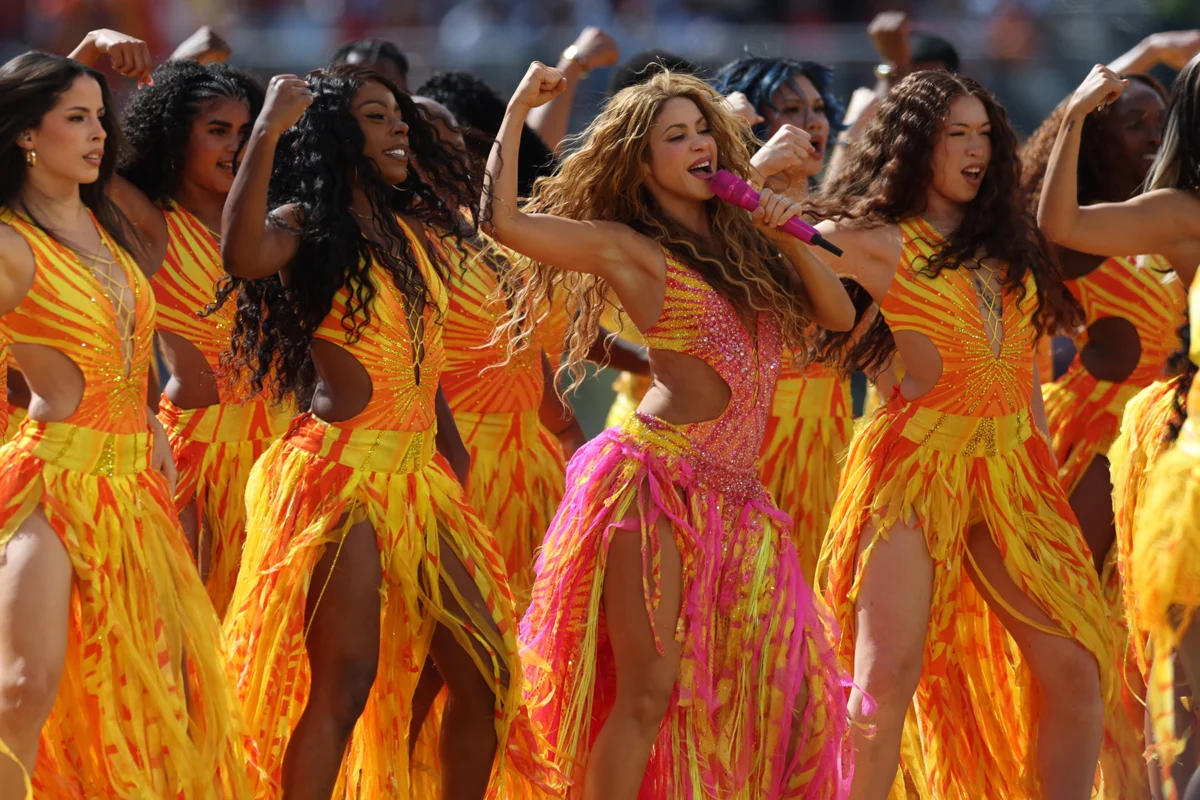
HangupsMusic.com – East Rutherford, New Jersey, The roar of the crowd has faded, the confetti swept away, and the final whistle of the 2026 FIFA World Cup has long since pierced the global consciousness. A week removed from Spain’s triumphant 1-0 victory over Argentina in a gripping final match that capped six exhilarating weeks of competition, a collective sense of wistful emptiness has settled over football fans worldwide. While La Roja revels in its hard-won glory and the 47 nations who saw their World Cup dreams dashed begin the arduous four-year cycle of preparation for 2030, it is also a pivotal moment to reflect on another crucial, often overlooked, aspect of the tournament: its profound impact on the landscape of popular music and the careers of the artists who lent their voices to its grand stage. From the official tournament anthems that echoed through stadiums to the spontaneous fan chants that became cultural touchstones, and most significantly, the groundbreaking inaugural halftime show of the final match, the 2026 World Cup orchestrated a symphony of sound that transcended the beautiful game itself.
The 2026 FIFA World Cup, hosted across North America, marked a monumental shift not just in its expanded format but also in its entertainment strategy. For the first time in its nearly century-long history, the final match was graced with a full-fledged halftime spectacle, mirroring the colossal productions seen at events like the Super Bowl. This decision, announced with much fanfare, aimed to elevate the World Cup final beyond a mere sporting event, transforming it into a global cultural phenomenon designed to captivate even casual viewers. The stakes were incredibly high, with billions tuning in, and the chosen artists bore the immense responsibility of setting a precedent. The immediate aftermath has seen music critics, cultural commentators, and passionate football fans alike dissecting every note, every costume change, and every strategic choice made on that hallowed turf at New York New Jersey Stadium on July 19, 2026.
At the heart of this post-tournament musical analysis lies the much-debated final halftime show, an ambitious undertaking featuring a star-studded lineup. The question on everyone’s lips, as posed by the Greatest Pop Stars podcast, was whether the spectacle leaned towards "grotesque, inevitable, or both." In an age where global sporting events are increasingly intertwined with mainstream entertainment, the move was arguably inevitable. Yet, the execution and artistic choices invited a vigorous critical discourse.
Leading the charge was the electrifying presence of Shakira, a veteran of World Cup anthems whose connection to the tournament runs deep, famously electrifying audiences with "Waka Waka (This Time for Africa)" in 2010. Her performance, a vibrant explosion of her signature hip-shaking choreography and powerful vocals, was undoubtedly a highlight. The inclusion of her new track, "Dai Dai," quickly became a talking point. While some argued that she alone should have carried the entire halftime show, leveraging her unparalleled history and energy with the Cup, her segment nonetheless cemented "Dai Dai" as an instant World Cup classic, its infectious rhythm already synonymous with the tournament’s spirit. Her stage command and ability to connect with a truly global audience were undeniable, proving once again why she remains a perennial favorite for such grand stages.
The decision to have Chris Martin, frontman of Coldplay, involved in "putting the first version of it together" raised eyebrows for some. Known for stadium-filling anthems that blend emotional depth with universal appeal, Martin’s involvement hinted at a desire for a more reflective, perhaps even anthemic, tone alongside the pop spectacle. His segment, possibly featuring a stripped-down piano rendition or a soaring group singalong, aimed to provide a moment of collective introspection amidst the high-octane energy. While Coldplay’s music resonates deeply with millions, some questioned whether his brand of earnest rock aligned perfectly with the anticipated celebratory vibe of a World Cup final halftime. Yet, his curatorial influence likely ensured a certain artistic gravitas, attempting to balance pure pop spectacle with moments of musical sincerity.
Then came the unexpected acoustic interlude from Justin Bieber. Amidst the high-tech staging and elaborate dance routines, Bieber’s decision to deliver a raw, unadorned acoustic performance was a bold artistic choice. While some found it a refreshing moment of vulnerability and intimacy in an otherwise bombastic show, others felt it disrupted the flow and momentum. Was it an attempt to showcase his vocal prowess and musicianship, or a miscalculation of the energy required for such a monumental event? The performance sparked considerable debate among fans and critics, highlighting the challenge of catering to diverse tastes on a global stage. His segment, for better or worse, added another layer of complexity to the show’s overall reception.

Perhaps the most perplexing decisions came from global icons Madonna and K-pop sensation BTS. Both artists, commanding immense fan bases and currently enjoying new album cycles, opted to perform older, well-established hits rather than showcasing their latest material. Madonna, ever the master of reinvention, chose to revisit a classic from her extensive catalogue, perhaps aiming for universal recognition and nostalgia over promoting new work. Similarly, BTS, whose recent albums have continued to break records, surprised many by performing a beloved track from their earlier discography. This choice sparked intense discussion: was it a savvy move to guarantee maximum crowd engagement with universally known songs, or a missed opportunity to leverage the World Cup’s unparalleled global platform to introduce fresh music to billions? The consensus from the podcast suggested it might have been a missed opportunity, especially given the rapid evolution of pop culture and the desire for novelty.
Beyond the structured performances of the halftime show, the 2026 World Cup’s musical tapestry was woven with countless threads of national pride and communal singing. Official tournament themes, often a blend of global pop sensibilities and local flavors, became the sonic backdrop to montages and celebrations. But it was often the unofficial anthems that truly captured the heart of fan culture. England’s campaign, for instance, saw an unexpected resurgence of Oasis’s "Wonderwall." Far from being a mere relic of the 90s, the Britpop classic gained new resonance as a defiant, heartfelt anthem for Team England. Videos of fans belting out the chorus in unison, both in stadiums and in pubs across the UK, went viral, turning the song into a symbol of collective hope and heartbreak. The podcast hosts lamented its chart position, "stuck at No. 2 on the UK charts again," reflecting the bittersweet nature of England’s journey and the song’s enduring, yet perpetually second-best, status in their cultural consciousness. This phenomenon underscored how music, irrespective of its original intent, can be spontaneously adopted and imbued with profound new meaning through the shared experience of sport.
The weekly Pop Star Performance Review episode of the Greatest Pop Stars podcast served as an essential post-mortem, offering a nuanced perspective on these musical moments. Host Andrew Unterberger, humorously self-identifying as a "soccer novice," found a perfect foil in Billboard UK’s Thomas Smith, whose deep football knowledge and critical ear provided a balanced and insightful dialogue. Their discussions delved into the nuances of each performance, the strategic choices, and the broader cultural implications, often with a healthy dose of humor and genuine passion. Their analysis moved beyond mere judgment, seeking to understand the "what went right and what went wrong" from both a musical and a sporting perspective, even touching upon the emotional rollercoaster of Smith’s own beloved Team England.
As the echoes of the vuvuzelas and the stadium anthems fade into memory, a profound question lingers for many: "What are we gonna do with our lives now that we don’t have the World Cup every day?" This sentiment, shared by millions, speaks to the immense void left by the tournament’s departure. The 2026 FIFA World Cup was more than just a series of football matches; it was a vibrant, global celebration of culture, unity, and shared human experience, amplified and immortalized by its unforgettable soundtrack. The music, from the meticulously planned halftime show to the spontaneous chants, served as the emotional pulse of the tournament, reminding us of the enduring power of sound to connect, inspire, and define moments in history.
Check out the full discussion and more insights on the Greatest Pop Stars podcast, available weekly every Thursday on Apple Music, Spotify, or wherever you get your podcasts.
And as we say in every one of these GPS podcast posts – if you have the time and money to spare, please consider donating to any of these causes in the fight for trans rights:
Transgender Law Center
Trans Lifeline
Destination Tomorrow
Gender-Affirming Care Fundraising on GoFundMe
Human Rights Campaign – In Your Area
