
 By Rose Miami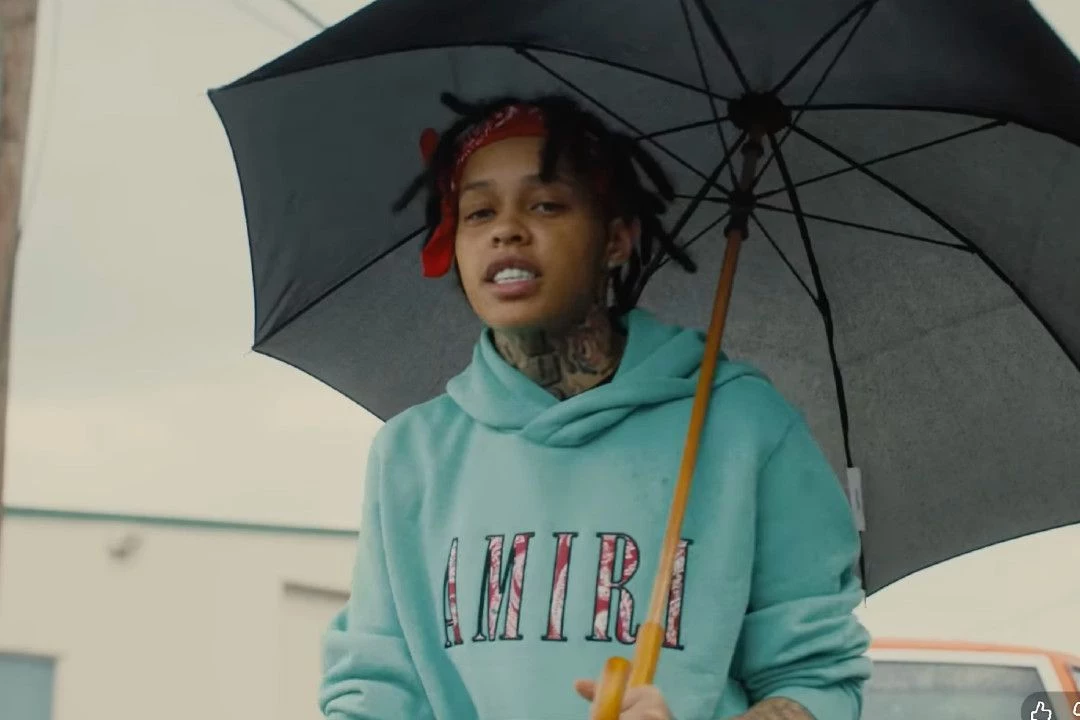
HangupsMusic.com – Houston, TX, The intricate legal battle surrounding Houston-based rapper OMB Bloodbath, born Alexandra Nicks, is once again unfolding in federal court as she faces a retrial for charges connected to a violent gang feud. This marks the second attempt by federal prosecutors to secure a conviction against Nicks and her associate, Shaquile Richards, in a case that alleges their involvement in a murder tied to a long-standing gang war. A previous jury, after considerable deliberation, was unable to reach a unanimous verdict seven months prior, resulting in a mistrial and setting the stage for this renewed legal scrutiny.
The core of the prosecution’s case rests on allegations that OMB Bloodbath and Shaquile Richards were instrumental in leading the 100% Third Ward Gang, also known as the 103 Gang, during a period of intense conflict with a rival faction throughout the 2010s. Authorities contend that the pair played a significant role in orchestrating a fatal shooting in 2017, which was aimed at a member of the Young Scott Block but tragically resulted in the death of 52-year-old Samuel Johnson, an innocent bystander. Prosecutors emphasize that their case is not centered on identifying the individuals who directly fired the shots, but rather on establishing the alleged leadership and organizational responsibility of Nicks and Richards in facilitating the violent act.
The prosecution intends to present a compelling narrative to the jury, drawing upon a range of evidence that they believe links Bloodbath and Richards to the planning and coordination of the 2017 shooting. This evidence reportedly includes text messages, recorded conversations from jail, and other digital and circumstantial information that prosecutors argue demonstrate their active participation in the events leading up to the fatal incident. Assistant U.S. Attorney Kelly Zenon-Matos has articulated the prosecution’s stance, asserting that the case fundamentally concerns the alleged power structure and command behind the criminal enterprise responsible for the violence, rather than the immediate perpetrators.

During the initial trial, the defense teams for both OMB Bloodbath and Shaquile Richards mounted a vigorous challenge to the prosecution’s claims. A pivotal moment in the first trial involved testimony from a key witness who stated that neither Nicks nor Richards had directly ordered the shooting. Defense attorneys seized upon this testimony, arguing that the prosecution had failed to provide sufficient evidence to prove their clients’ culpability in the crime. They contended that the alleged conspiracy did not extend to ordering or sanctioning the specific act of violence that resulted in Mr. Johnson’s death.
Adding a new layer of complexity to the retrial, prosecutors have recently gained access to OMB Bloodbath’s mobile phone, a device that had reportedly remained inaccessible for approximately four years. According to reports, a specialized computer program was eventually successful in cracking the phone’s security measures, potentially unlocking a wealth of information. The defense has raised objections to the timing of this disclosure, arguing that the late introduction of this substantial new evidence prejudices their ability to prepare a thorough defense. However, the presiding judge has ultimately ruled to allow the retrial to proceed, signaling that the court believes the defense can still adequately address the new findings.
Both OMB Bloodbath and Shaquile Richards have been held in federal custody since their initial indictment in this case. The current trial commenced following jury selection on July 9th, and legal observers anticipate the proceedings to last for approximately two weeks. The gravity of the charges is underscored by the potential penalties; if convicted of murder in aid of racketeering, both OMB Bloodbath and Shaquile Richards face the prospect of life imprisonment in federal prison. This retrial represents a critical juncture in a high-profile case that has garnered significant attention within the music industry and the Houston legal community, with the outcome poised to have lasting repercussions for the artists involved. The legal process continues to unfold, as prosecutors seek to establish their case and the defense aims to secure acquittals for their clients in this deeply contested matter.
