 By admin
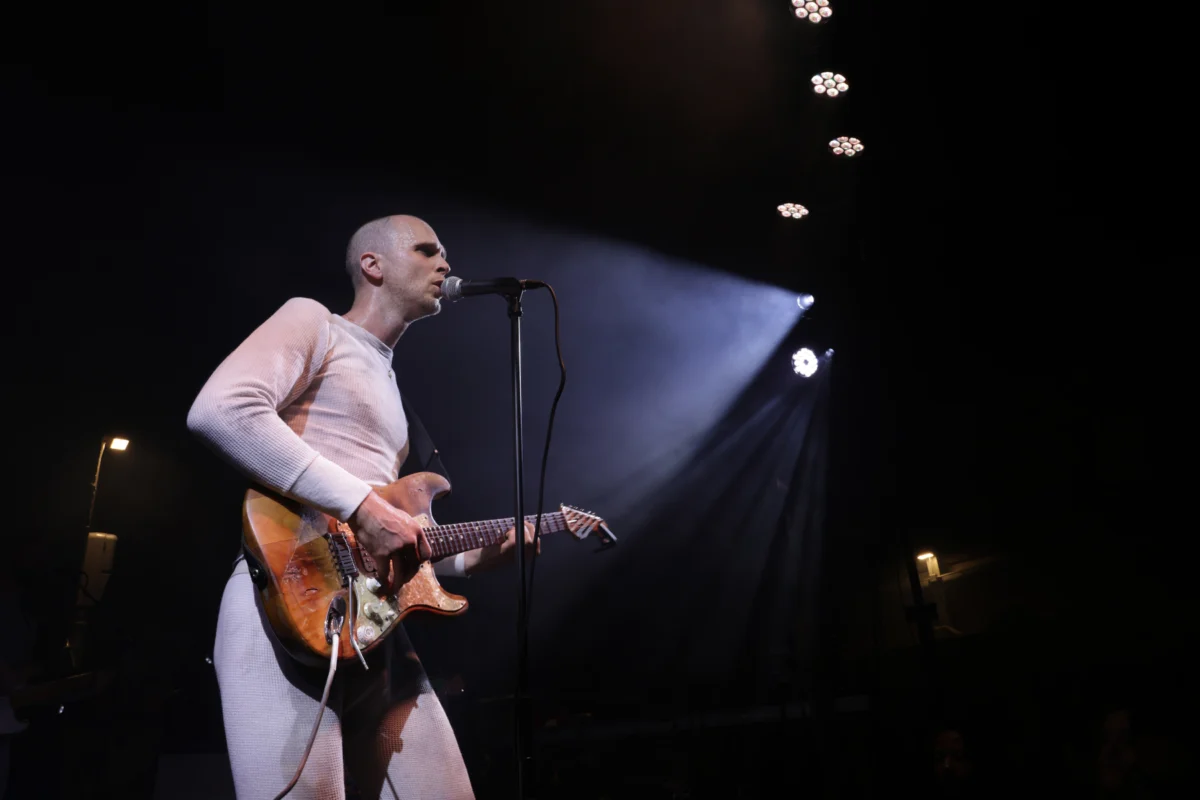
HangupsMusic.com – The distinct, soulful strains of JMSN’s viral hit “Love Me” have unexpectedly found themselves at the heart of a contentious legal and ethical dispute, as the acclaimed singer-songwriter has issued a forceful cease-and-desist letter to the White House. Christian Berishaj, known professionally as JMSN, is demanding an immediate halt to the use of his popular track in a government-funded promotional advertisement for President Donald Trump, asserting that the administration never sought nor received proper authorization for its inclusion. This incident underscores a growing tension between artists safeguarding their creative control and political entities leveraging popular culture for partisan messaging.
The legal challenge was formally lodged on Monday, September 28, when attorneys representing Berishaj dispatched a meticulously worded cease-and-desist letter to Susie Wiles, President Trump’s Chief of Staff. The correspondence explicitly states that the promotional spot, which has been airing on prominent right-leaning news outlets such as Fox News and Newsmax, and is also hosted on the official White House YouTube channel, incorporates “Love Me” in blatant disregard of established copyright laws. The letter firmly alleges that the White House proceeded with the song’s use without securing any necessary licenses or explicit permission from Berishaj, the rightful copyright holder.
Beyond the clear legal infringement, the letter conveyed a profound sense of artistic violation. It emphasized that Berishaj, a fiercely independent artist, would unequivocally have denied any request for permission to use his music in such a context, had one even been made. "JMSN does not want to be viewed as directly or indirectly affiliated with the President or his Administration," the lawyers articulated, highlighting the potential for significant reputational damage. The document further elaborated on the artist’s concerns, stating that "the use of the Song in this context, as part of an overtly partisan, political advertisement, is particularly damaging, as it could cause others to call into question JMSN’s artistic independence and integrity." This statement resonates deeply within the music community, where artistic autonomy and the avoidance of political endorsement are often paramount values, particularly for artists who have built their careers outside mainstream corporate structures.
JMSN has cultivated a dedicated following since his emergence in the early 2010s, crafting a distinctive sound that blends R&B, soul, and electronic elements. "Love Me," originally released in 2023, stands as one of his most recognized and streamed tracks, boasting over 138 million plays on Spotify alone. The song experienced a remarkable resurgence in late 2025, when it became a ubiquitous soundtrack to a popular internet meme. This trend, which playfully spoofed the dramatic intros of Drake’s songs, propelled "Love Me" back into the cultural zeitgeist, introducing it to a new generation of listeners across social media platforms like TikTok. This renewed virality amplified the song’s profile, making its unauthorized appropriation by a political campaign even more conspicuous and, for the artist, more concerning.
The government-funded advertisement at the center of this controversy reportedly began its broadcast run last week. The spot features audio of President Trump declaring, "America will never be a communist country," interspersed with visuals and narratives touting various policy achievements of his administration. The White House, in defending its allocation of public funds for the advertisement, characterized it as a "public service announcement." Their rationale, as conveyed through reports including one by The New York Times, was that the ad did not explicitly encourage voters to cast ballots or undertake any other specific political action. "The ad is educational and unapologetically patriotic," the White House asserted, seeking to frame its content as non-partisan informational material. However, this defense has been widely scrutinized by legal experts and political commentators, who often distinguish between genuinely educational public service announcements and content that, while not explicitly electoral, nonetheless promotes a political agenda or a specific administration.
Prior to the formal legal action, Berishaj took to his personal Instagram account on Thursday, September 24, to voice his outrage and clarify his position to his substantial fanbase. In a candid post, he unequivocally condemned the unauthorized usage of his music. "[I]t should go without saying that I would never authorize my music to be used for ANY political agenda or campaign," he wrote, underscoring his firm stance against political entanglement. He further elaborated on his career trajectory, stating, "I’ve built my career independently outside of any major system and have made it a point to not sacrifice my artistic integrity." The artist expressed frustration at being drawn into a public dispute, adding, "I don’t have a publicist or anything so being forced in a situation like this and having to comment is ridiculous." This raw, personal statement resonated with many who champion independent artistry and the right of creators to control how their work is perceived and utilized.
The legal team representing Berishaj includes Norm Eisen, a prominent figure whose involvement adds significant weight to the legal challenge. Eisen is affiliated with Democracy Defenders Action, a group renowned for initiating numerous legal actions against the Trump administration. His history of robust litigation against the executive branch suggests a preparedness for a potentially protracted legal battle, signaling that JMSN’s demand is not merely a symbolic gesture but a serious legal threat. The cease-and-desist letter provided the White House with a deadline: they had until Thursday of that week to formally confirm that "Love Me" would be permanently removed from the promotional advertisement and all associated platforms. Failure to comply could trigger further legal proceedings, potentially involving lawsuits for copyright infringement seeking damages and injunctive relief.
This incident is not isolated; it is part of a broader trend of artists pushing back against politicians who appropriate their music without permission. Numerous musicians, from the Rolling Stones and Neil Young to Rihanna and Pharrell Williams, have previously issued cease-and-desist letters to political campaigns, particularly those of President Trump, protesting the unauthorized use of their songs at rallies and in advertisements. These cases often highlight the complexities of copyright law in the political sphere, where campaigns sometimes attempt to invoke fair use doctrines or argue that public performance licenses cover their usage, arguments typically dismissed by artists and legal experts when the context is clearly promotional or partisan. For independent artists like JMSN, whose livelihood and public image are inextricably linked to their creative output, such unauthorized use can be particularly damaging, eroding the perceived neutrality that many strive to maintain and potentially alienating segments of their audience. The resolution of this dispute will undoubtedly be watched closely by both the music industry and political observers, as it further defines the boundaries of artistic control in an increasingly politicized media landscape.
