
 By Jeje Sukarno
HangupsMusic.com – The global music scene continues to be significantly shaped by the vibrant and dynamic force of K-Pop. As artists from South Korea consistently break new ground on international charts, a closer examination of their creative processes and chart performance reveals a sophisticated ecosystem of talent. This report delves into the intricate details of several prominent K-Pop acts, exploring their songwriting and production credits, chart histories, and RIAA certifications, highlighting the collaborative efforts that propel them to global success.

Leading the charge, the internationally acclaimed group BTS demonstrates a remarkable consistency in chart performance. Their discography showcases a deep engagement with a wide array of songwriters and producers. For instance, tracks featuring contributions from R.B.Tedder, a celebrated figure in pop music, alongside BTS members RM, SUGA, and j-hope, along with producers like Pdogg and S.Foreman, underscore a blend of established hitmaking acumen and the artists’ own creative input. The group’s chart history, marked by numerous entries and sustained presence, reflects their broad appeal. Their ability to consistently chart reflects a strategic approach to music creation that resonates with a diverse global audience.

Emerging talents are also making significant waves. The group Katseye, with songwriting credits from established names like E.C.Sheeran and J.McDaid, alongside producers O.Fedi and B.Slatkin, exemplifies the trend of K-Pop groups collaborating with international hitmakers to craft their sound. Their chart history indicates a promising trajectory, suggesting a strong foundation for future success. Similarly, the group ILLIT, with a songwriting team including J.Brady, J.Roman, and R.M.Spreckley, is carving out its own niche. While specific chart data for all their releases is still developing, their presence in the industry signals a growing influence.

The established powerhouses continue to refine their craft. Stray Kids, known for their self-produced music, showcase a robust internal creative team, with members like Bang Chan, CHANGBIN, and HAN frequently credited as songwriters and producers, often alongside collaborators such as S.A.Johnson and J.K.Johnson. Their extensive chart history reinforces their position as a major force in the global music landscape. The intricate production credits for their work, often involving The Monsters & Strangerz and I.Tejada, highlight a multifaceted approach to sound design.

Another prominent group, BLACKPINK, consistently achieves significant milestones. Their music frequently features a blend of domestic and international talent in its creation. While specific song credits are extensive and varied, the group’s RIAA certifications, including multiple Platinum awards, are a testament to their commercial success and widespread popularity. The involvement of producers like TEDDY, alongside a diverse team of songwriters, indicates a carefully curated sonic identity that appeals to a global audience.

aespa, a group that has rapidly gained recognition, also demonstrates a collaborative spirit in their music production. Songwriters like E.Suh and J.Shaw, working with producers such as L.S.Jankel and T.Upsahl, contribute to their unique sound. While their chart history is still expanding, their presence signifies the ongoing evolution of K-Pop’s reach.
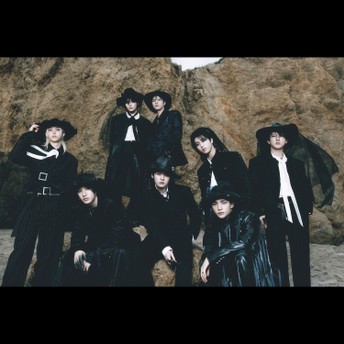
The solo endeavors of K-Pop artists also command significant attention. JENNIE’s work, for example, often features collaborations with renowned producers like T.Spry and Cashmere Cat, alongside a team of skilled songwriters. Her chart performance and RIAA certifications highlight her individual impact on the music charts. Similarly, the creative output of artists like Jung Kook and V (Kim Tae Hyung) from BTS, when credited alongside international producers and songwriters such as Mike WiLL Made-It and M.L.Williams, showcases a powerful synergy between K-Pop artistry and global music production trends. The extensive songwriting credits for these tracks, often involving RM, SUGA, and j-hope, further emphasize the integrated creative process within BTS.

The continuous charting success of BTS across various singles and albums, as evidenced by their persistent presence on the Billboard charts, speaks to their enduring popularity and the effectiveness of their music’s appeal. Their ability to consistently enter and maintain high positions on the charts is a testament to the universal themes and high production values embedded in their work.

Furthermore, the RIAA certifications awarded to several K-Pop releases, including multiple Platinum and multi-Platinum distinctions, underscore the significant commercial impact these artists are having in major music markets. For example, the consistent multi-Platinum certifications for certain BTS tracks indicate a sustained and substantial fan engagement. The presence of multiple K-Pop artists and groups achieving these certifications highlights a broader trend of K-Pop’s integration into the mainstream global music industry.

The detailed credits reveal a complex network of songwriters and producers, both within South Korea and internationally, who collaborate to create the polished and innovative sound characteristic of modern K-Pop. This collaborative approach, combining the unique artistry of K-Pop idols with the expertise of seasoned industry professionals, appears to be a key ingredient in their sustained global success. As the industry continues to evolve, the interplay between these creative forces will undoubtedly continue to shape the future of popular music.
