
 By Azzam Bilal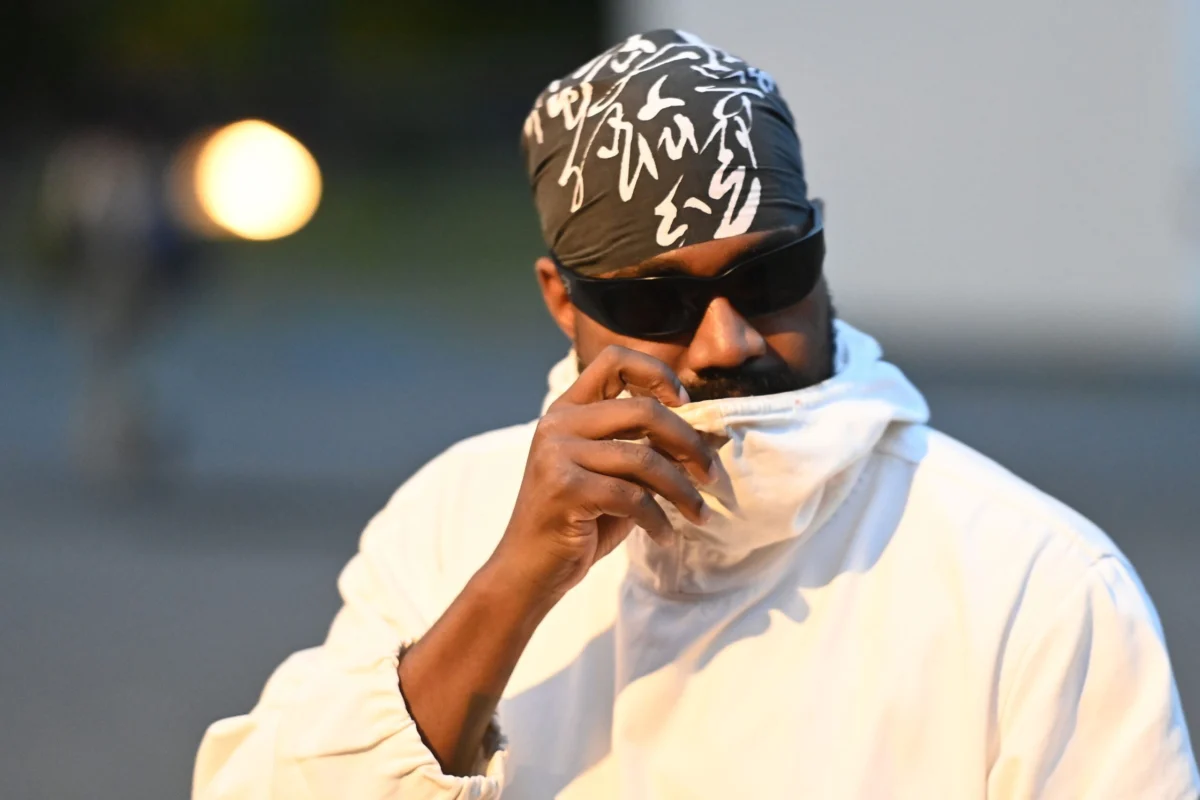
HangupsMusic.com – Los Angeles, the enigmatic and perpetually polarizing career of Kanye West reached a new milestone in the early hours of March 26, as the artist finally pulled back the curtain on his long-gestating project, Bully. The album’s arrival was marked by a surprise live-streamed event on YouTube, commencing shortly after midnight and drawing hundreds of thousands of concurrent viewers eager to see the latest iteration of West’s sonic vision. The premiere served as both a debut for new material and a retrospective nod to his legacy, featuring high-profile collaborations with Travis Scott and Nine Vicious. As the stream wound down, West leaned into nostalgia, playing his 2010 masterpiece "Runaway" and introducing audiences to EsDeeKid’s "4 Raws," signaling a night that was as much about his curation as it was about his individual output.
The journey to Bully has been anything but linear. West first began signaling the album’s existence in September 2024, a mere month after the release of Vultures 2, his collaborative effort with Ty Dolla $ign. While the Vultures era was defined by a gritty, collaborative club energy, early previews of Bully suggested a return to a more atmospheric, perhaps even more vulnerable, solo-centric sound. Throughout late 2024, West utilized a series of global platforms to test the waters for this new material. During a landmark performance in Haikou, China, he debuted tracks like "Preacher Man" and "Beauty and the Beast," songs that immediately sparked conversation among his fanbase for their soulful samples and introspective lyricism. These previews were further amplified through his Instagram account, which became a primary hub for cryptic snippets and aesthetic mood boards leading up to the full release.
As 2025 dawned, the promotional cycle for Bully took a cinematic turn. West took to X (formerly Twitter) to share Bully V1, a short film that provided a visual companion to the album’s themes. The film notably starred his son, Saint West, who also appears on the stark cover art for the album. The involvement of his children in his creative process has become a recurring motif in West’s later career, suggesting a desire to weave his familial legacy into his public-facing art. However, the production of the album was not without its technical controversies. At one point, West made the bold claim that a significant portion of Bully had been constructed using artificial intelligence. This sparked a firestorm of debate within the music industry regarding the ethics and authenticity of AI in hip-hop. In a characteristic pivot, West walked back these claims just days before the premiere, asserting that the final version of the album featured no AI-generated vocals or compositions, a move seen by many as an attempt to preserve the "human" element of his artistry.
While the music of Bully represents a creative peak for West, the context surrounding its release is marred by a series of escalating legal and personal crises. Since the rollout of Vultures 2, the rapper has been embroiled in severe litigation. A former assistant, Lauren Pisciotta, filed a lawsuit alleging sexual battery, a case that took an even darker turn in 2025 when updated filings claimed she had been forced into hiding following a "swatting" campaign she alleged was orchestrated by West. Simultaneously, a model who appeared in one of West’s 2010 music videos came forward in 2024 with a lawsuit alleging sexual assault during the shoot. These legal battles have cast a long shadow over West’s professional achievements, raising questions about his conduct behind the scenes during different eras of his career.

The year 2025 also saw West’s return to the peak of public scrutiny following an appearance at the Grammy Awards with his wife, Bianca Censori. Shortly after the ceremony, West engaged in a series of highly inflammatory outbursts on social media. His X account, which had previously been suspended in 2023 for antisemitic rhetoric, became the staging ground for a "hate-filled rant" in which he praised figures such as Adolf Hitler, Diddy, and Chris Brown. In these posts, West explicitly identified himself with labels like "Nazi" and "racist," leading to widespread condemnation from human rights organizations and industry peers alike. The rhetoric mirrored the erratic behavior that led to his previous de-platforming, suggesting a recurring cycle of provocation that has become inextricably linked to his brand.
In an effort to address the fallout of these actions, West took an unconventional approach to a public apology in 2026. He purchased a full-page advertisement in the Wall Street Journal, a move co-signed by Yeezy CFO Hussein Lalani. In the statement, West attempted to provide a medical and psychological context for his behavior over the preceding years. He attributed his erratic actions and offensive rhetoric to his ongoing struggle with bipolar disorder, as well as a brain injury he claimed to have sustained in a car accident in 2022. According to the ad, this injury went undiagnosed until 2023, creating a period of neurological instability that West argued contributed to his public outbursts. Notably, while the advertisement addressed his public statements, it remained silent regarding the specific allegations of sexual misconduct and battery leveled against him in court.
The release of Bully arrives at a time when the music industry is grappling with how to separate the art from the artist. Sonically, the album is being hailed by early listeners as a return to form, blending the soul-sampling techniques of his early career with the avant-garde production of his middle period. The inclusion of Travis Scott on the record reinforces West’s continued influence over the current vanguard of hip-hop, while the introduction of Nine Vicious suggests he is still looking to champion new, unconventional voices. The live-streamed premiere itself was a masterclass in minimalist presentation, focusing entirely on the audio experience and the visual cues of the Bully aesthetic, which leans heavily into themes of resilience and confrontation.
Musically, the inclusion of "Runaway" at the end of the Bully listening session served as a poignant reminder of West’s capacity for self-reflection. In 2010, that track was seen as a "toast to the douchebags," an anthem of self-awareness regarding his own flaws. By revisiting it in 2026, West seems to be inviting a similar dialogue with his audience, though the stakes have shifted significantly since the Taylor Swift incident of 2009. The modern Kanye West is a figure defined by much deeper legal and social fractures, making the reception of Bully a complex litmus test for his enduring relevance.
As the album begins its journey through the streaming charts and critical cycles, the narrative surrounding Kanye West remains as fractured as ever. For some, Bully is a testament to an unbreakable creative spirit that can thrive even amidst self-inflicted chaos. For others, it is an output that cannot be divorced from the harmful rhetoric and serious legal allegations that have defined his recent years. With the Yeezy organization, led by figures like Lalani, attempting to stabilize the business side of West’s empire through public apologies and medical explanations, the success of Bully will likely determine the path forward for one of the most controversial figures in the history of American music. Whether this album marks a true "reset" or simply the latest chapter in a long-running saga of turmoil remains to be seen, but for now, the music is finally available for the world to judge.
