
 By Rose Miami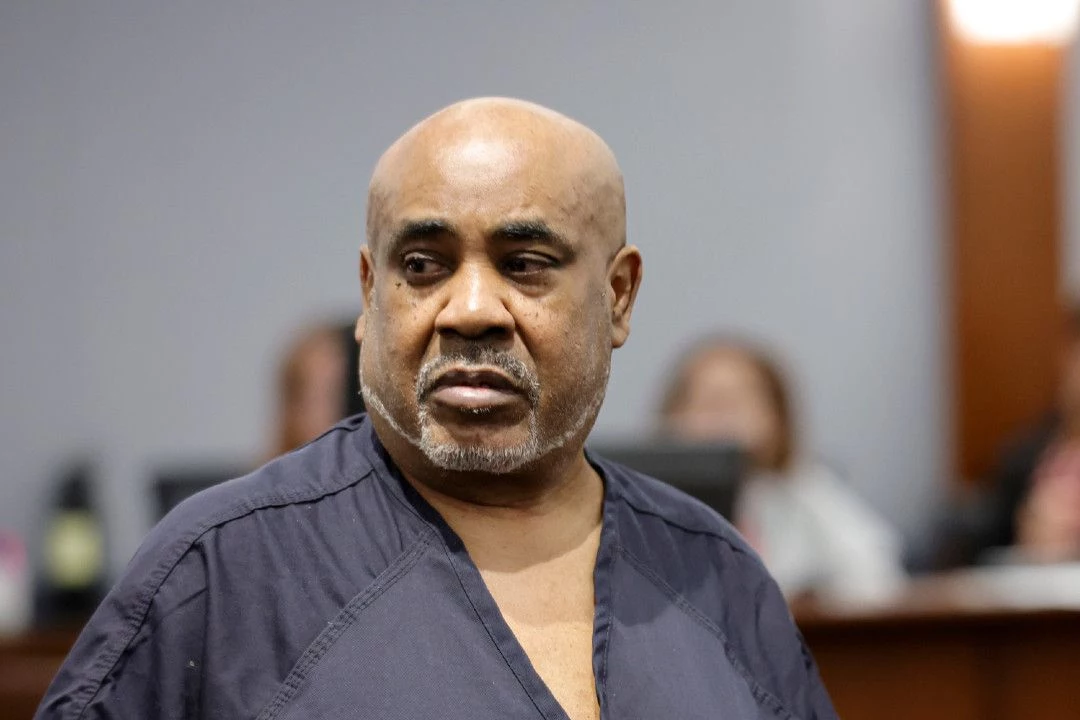
HangupsMusic.com – Las Vegas, NV – Mere days after being found guilty of first-degree murder in the 1996 assassination of rap icon Tupac Shakur, Duane "Keffe D" Davis is projecting an unshakeable confidence in his eventual release from prison. In his first public statement since the verdict, Davis, speaking exclusively to The Hollywood Reporter, asserted his innocence and declared his reliance on an upcoming appeal to overturn his conviction. He claims to have already initiated the appellate process, alleging a violation of his civil rights that he believes will lead to his exoneration.
This stance appears to diverge from the judicial proceedings that immediately followed the jury’s decision. During a brief exchange with Judge Carli Kierny, Davis had indicated a desire to file an appeal. At that time, the judge informed him that such a request would need to be addressed after his formal sentencing, which is currently scheduled for October 13th. Davis faces a potential life sentence.
The convicted man elaborated on his decision not to testify during his trial, stating that his legal counsel advised against it, fearing it would jeopardize his appellate prospects. Furthermore, Davis reiterated his denial of involvement in Shakur’s murder, attributing his past "admissions" to federal agents in the late 2000s to a strategic fabrication. He claims this manufactured confession was a gambit to secure his release from an unrelated drug case at the time.

"We didn’t do that sh*t, dog," Davis emphatically stated in the interview, suggesting that his prior statements were part of a carefully constructed narrative. He pointed to his lawyer and the late Los Angeles Times journalist Chuck Philips as architects of this "script" he allegedly followed. Davis further explained that he continued to propagate this narrative in subsequent interviews and even within his 2019 book, "Compton Street Legend," not out of guilt, but as a lucrative endeavor that also provided him with a degree of immunity.
It is this asserted federal immunity that Davis now believes will be the cornerstone of his appeal. He contends that the U.S. Department of Justice (DOJ) had granted him a deal, and he views Nevada’s state-level prosecution as an illegal overreach, asserting that the Ninth Circuit Court will not allow the state to supersede federal agreements. "The DOJ gave me a deal, and the Ninth Circuit Court is not going to go for that — the federal government gave me a deal," he insisted, characterizing the current incarceration as being held in a "broke-a*s county" that disregards established legal protocols. He specifically called out Las Vegas for what he perceives as a pattern of rule-breaking.
The conviction of Keffe D marks a significant, albeit controversial, chapter in the enduring mystery surrounding Tupac Shakur’s death. Shakur was fatally shot in Las Vegas on September 7, 1996, following a boxing match. Despite decades of speculation and numerous investigations, this is the first time anyone has been formally charged and convicted in connection with the iconic rapper’s murder. The prosecution’s case reportedly hinged on Davis’s own admissions and witness testimonies, painting a picture of a retaliatory act stemming from a prior altercation involving Shakur and a rival gang.
Davis’s public assertions of innocence and his reliance on an appellate strategy introduce a new layer of complexity to the case. His claims of federal immunity, if substantiated and recognized by the appellate courts, could indeed present a significant legal hurdle for the state’s conviction. The legal battle is far from over, and the upcoming sentencing and subsequent appeal process will be closely watched by legal observers and hip-hop enthusiasts alike. The outcome could have profound implications for how such high-profile cold cases are prosecuted in the future. The stark contrast between the jury’s verdict and Davis’s unwavering declaration of innocence underscores the deeply divided perspectives surrounding this historic case, leaving many to ponder the true narrative of that fateful night in Las Vegas.
