 By Azzam Bilal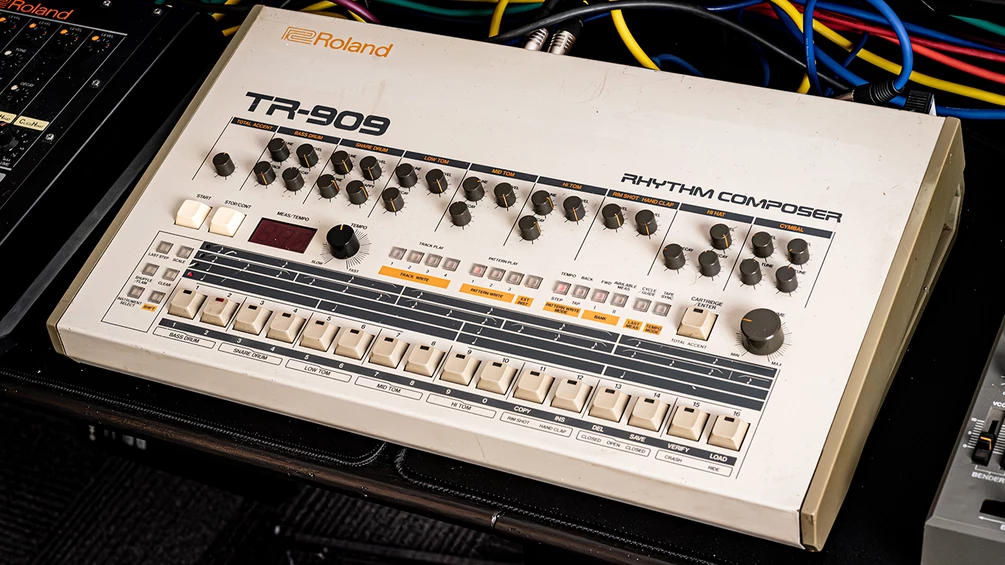
HangupsMusic.com – Reading, UK, The global electronic music community celebrates September 9th with a reverence usually reserved for national holidays. Known colloquially as "909 Day," the date serves as an annual tribute to the Roland TR-909 Rhythm Composer, a drum machine that, despite a lukewarm reception upon its 1983 release, went on to provide the percussive heartbeat for house, techno, and acid music. This year, the celebration takes on a tangible form in the town of Reading, where a remarkable repository of electronic music history, known as the XOX collection, has officially opened its doors to the public. Housed within the facilities of the music and arts charity Readipop, this collection offers a rare, hands-on opportunity for producers, students, and enthusiasts to interact with the machines that birthed modern dance music.
The XOX collection is not merely a museum of static displays; it is a functional, living studio environment. At its core are the "holy trinity" of Roland instruments: the TR-808 (1980), the TR-909 (1983), and the TB-303 (1982). To understand the significance of these machines is to understand the evolution of the last forty years of popular music. The TR-808, with its booming sub-bass kick and tinny percussion, became the foundation of hip-hop and R&B. The TR-909, the first Roland drum machine to utilize digital samples for its cymbals and hi-hats while retaining analogue synthesis for its drums, provided the driving, aggressive "four-on-the-floor" energy required for the burgeoning club scenes of Detroit and Chicago. Meanwhile, the TB-303, originally intended as a practice tool for guitarists to replace a bass player, was famously "misused" by pioneers like Phuture to create the squelching, resonant filter sweeps that define the acid house genre.
Beyond these foundational pillars, the XOX collection boasts an impressive array of supporting hardware that maps the technological shifts of the 1980s. This includes the E-mu SP-12, a 1985 sampling drum machine revered for its "gritty" 12-bit sound and its unique "swing" sequencer, which became a staple for early hip-hop producers. The Akai S612, also from 1985, represents one of the first affordable digital samplers, a machine that democratized the ability to manipulate found sounds. The studio also features the Roland SH-101, a monophonic synth known for its portability and iconic bass sounds, and the polyphonic warmth of the Juno-6 and Juno-106. These synthesizers are famous for their lush choruses and intuitive sliders, making them favorites for everything from ambient pads to synth-pop leads.
The historical depth of the collection extends back even further with the inclusion of the Roland TR-77. Released in 1972, the TR-77 holds the distinction of being the first drum machine ever released under the Roland name, following the company’s rebranding from Ace Tone. Its presence in the studio provides a physical timeline of the company’s evolution, from preset-based rhythm boxes intended for home organs to the programmable powerhouses that would eventually dominate the charts.
The cultural weight of the XOX collection is further bolstered by the presence of a pair of turntables signed by the legendary Grandmaster Flash. The hip-hop pioneer, who previously participated in a keynote event at Readipop, represents the intersection of technology and performance. His signature on the equipment serves as a reminder that these machines were not just tools of engineering, but instruments that required virtuosity and innovation to unlock their potential.
Roland itself has recognized the importance of the XOX project. In a recent social media statement, the company described the collection as an "extensive" assembly of genre-defining Roland instruments and BOSS effects. The manufacturer emphasized that the goal of the partnership is to allow the next generation of creators—producers and students alike—to move beyond software emulations and experience the tactile reality of "playing, performing, programming, and recording" with the genuine vintage gear. This physical interaction is often cited by veteran producers as a crucial element of the creative process; the unpredictability of analogue circuits, the heat of the machines, and the physical resistance of the knobs and sliders offer a different sensory experience than clicking a mouse on a digital audio workstation (DAW).
The venue for this initiative, Readipop, is a charity with a long-standing commitment to the cultural landscape of Reading and the wider Thames Valley. Their mission focuses on using music and the arts to enrich lives and build community cohesion. By making the XOX collection accessible to the public, they are breaking down the barriers to high-end music production. Historically, these vintage machines have become prohibitively expensive on the second-hand market, often trading for thousands of pounds and becoming the exclusive toys of wealthy collectors or top-tier professional studios. By housing them in a community-focused charity, Readipop ensures that financial status is not a barrier to experiencing the "real" sound of electronic music history.
Looking toward the future, Readipop is already planning for its 30th anniversary in 2028. To commemorate three decades of service to the arts, the charity is collaborating with Marcus Barnes, a respected journalist and contributor to DJ Mag, on a series of events and special content. This partnership aims to document the impact of the charity while continuing to promote the importance of musical education and technological preservation.
The opening of the XOX studio comes at a time of renewed interest in analogue hardware. While digital technology has reached a point where software plugins can nearly perfectly replicate the sound of a 909 or a 303, the industry has seen a massive "hardware revival." Producers are increasingly looking for ways to get "out of the box," seeking instruments that offer immediate, hands-on control. Roland has leaned into this trend, not only by supporting initiatives like the XOX collection but also by releasing new hardware that bridges the gap between their heritage and modern needs. Recent releases include the TR-1000 Rhythm Creator, which represents their first "true" analogue drum machine in over forty years, and the VMH-S100 high-fidelity studio headphones, designed specifically for the nuances of electronic music monitoring.
For those in the Reading area or those willing to make the pilgrimage, the XOX collection represents a rare opportunity. Access to the studio is available via booking through the Readipop website or via direct email inquiry. Whether for a professional recording session, an educational workshop, or simply the chance to hear the thunderous kick of a real TR-808 in a treated room, the studio stands as a testament to the enduring power of these machines.
As 909 Day draws to a close, the opening of the XOX collection serves as a reminder that the history of electronic music is not just found in digital archives or old records, but in the physical circuits of the machines themselves. By preserving these instruments and, more importantly, keeping them in a state where they can be played and heard, Readipop and the XOX project are ensuring that the "ghost in the machine" continues to inspire new sounds for decades to come. The transition from the 1980s garage-based origins of these devices to their current status as museum-quality artifacts—still capable of rocking a dancefloor—is a journey that remains central to the narrative of modern music. Through this initiative, that journey is now open for everyone to join.
