
 By Azzam Bilal
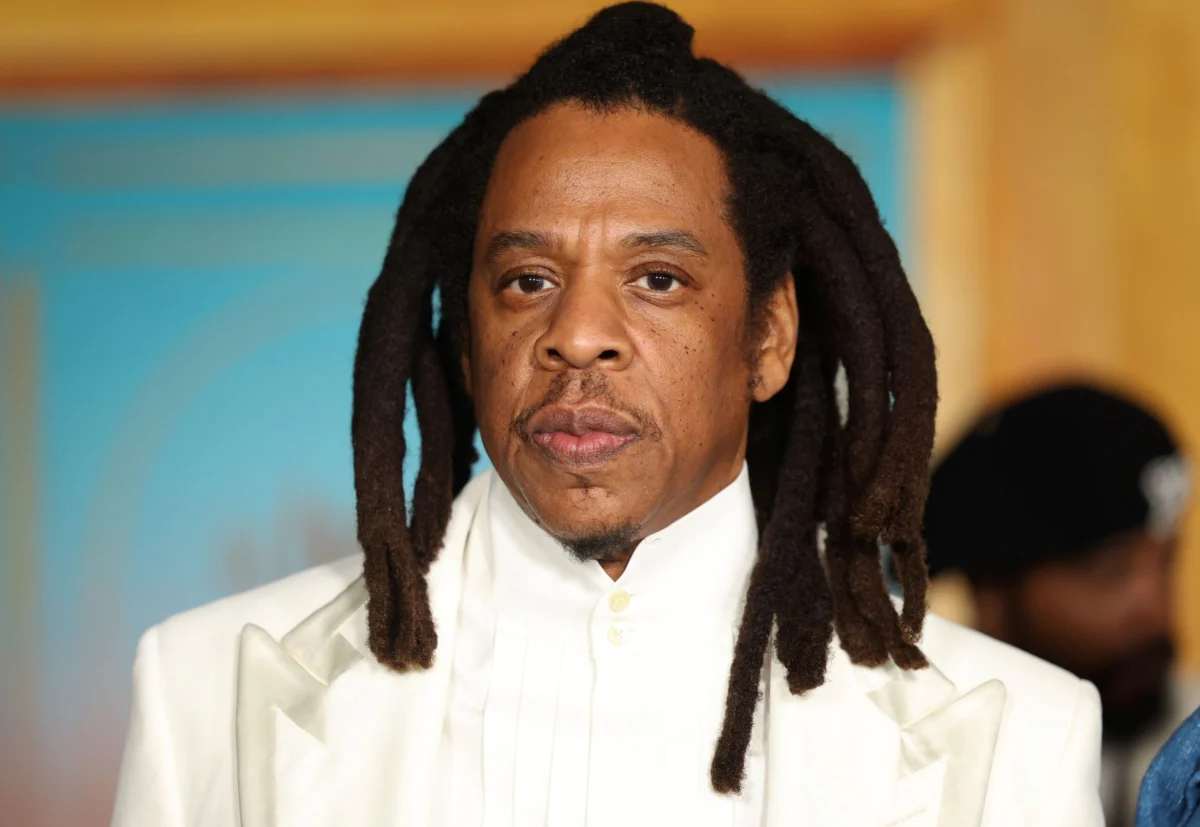
HangupsMusic.com – NEW YORK, In a stunning development that has sent shockwaves through the upper echelons of the entertainment industry, the legal battle involving hip-hop luminary Shawn “Jay-Z” Carter and a woman previously identified as his accuser has taken a definitive turn. The woman, who had maintained anonymity under the pseudonym Jane Doe throughout the proceedings, has officially recanted her allegations of sexual assault. In a comprehensive 11-page sworn declaration, she admitted that her claims against the music mogul were entirely fabricated, marking a rare and dramatic conclusion to a case that had initially threatened to tarnish one of the most significant legacies in modern music history.
The narrative began to shift in February 2025, when Jane Doe moved to voluntarily dismiss her lawsuit with prejudice. In legal terms, a dismissal with prejudice is a final judgment on the merits of the case, preventing the plaintiff from ever refiling the same claim in the future. While such dismissals often signal a private settlement, the subsequent filings from both parties suggest a far more complex and contentious resolution. Rather than fading into the background, the case evolved into a battle over the integrity of the legal process itself, as Jay-Z’s legal team launched a counter-offensive, asserting that the allegations were part of a coordinated effort to extort and defame.
The declaration obtained by news outlets provides a stark contrast to the harrowing details originally presented in the lawsuit. The initial filing, which surfaced in late 2024, alleged a traumatic incident occurring at a post-event gathering following the 2000 MTV Video Music Awards. In that original complaint, the woman claimed she was just 13 years old when she was allegedly assaulted by Sean “Diddy” Combs and another high-profile male celebrity. As the legal proceedings advanced, the woman refiled the suit, explicitly naming Shawn Carter as the second assailant. However, in her recent sworn statement, the accuser has completely reversed her stance. She stated with absolute clarity that Shawn Carter never assaulted her, emphasizing that she has never even met or had a conversation with the artist. She further clarified that there was no inappropriate conduct of any kind on his part.
This admission of falsehood is particularly striking given the gravity of the initial accusations. The woman’s declaration included a personal acknowledgment of the harm caused by her claims, noting that the false narrative had inflicted profound emotional distress and reputational damage upon Carter—harm that she acknowledged could never be fully repaired. Notably, the woman asserted in her declaration that she received no financial compensation or incentive to come forward with this retraction, suggesting that the move was motivated by a desire to rectify the record as the legal walls closed in.
While Jane Doe has been removed as a defendant in Jay-Z’s retaliatory defamation suit, the legal pressure has not subsided for everyone involved. Carter’s legal representatives are continuing their pursuit of a lawsuit against the woman’s lead attorney, Tony Buzbee, and his eponymous law firm. Buzbee, a prominent trial lawyer known for handling high-stakes litigation against powerful figures, now finds himself at the center of a professional and legal firestorm. Jay-Z’s attorneys have accused Buzbee of “willful defamation per se” and “malicious prosecution,” arguing that the lawyer knowingly moved forward with false allegations to leverage a settlement or generate media attention.
The friction between Carter and Buzbee intensified following reports that Jane Doe had spoken with private investigators earlier in 2025. During those conversations, she allegedly claimed that she had been pressured by her legal counsel to implicate Jay-Z. According to these reports, the accuser suggested that Buzbee encouraged the inclusion of Carter’s name to bolster the profile of the case and increase the pressure on Sean Combs, who was already facing a multitude of unrelated legal challenges at the time. This allegation—that a lawyer might have coached a client to provide false testimony against a celebrity for tactical advantage—strikes at the heart of legal ethics and has become the primary focus of Carter’s ongoing litigation.
The context of this case is inseparable from the broader legal climate surrounding Sean “Diddy” Combs in late 2024 and early 2025. During this period, Combs was the subject of numerous lawsuits and federal investigations, creating a volatile environment where allegations involving high-profile figures were scrutinized with unprecedented intensity. The original suit filed by Jane Doe was one of many that surfaced during this time, but the specific inclusion of Jay-Z—a figure who has historically maintained a carefully curated and relatively scandal-free public image—was viewed by many as a significant escalation.
The legal strategy employed by Jay-Z’s team, led by high-powered attorneys, has been one of aggressive transparency. By filing a countersuit for defamation and malicious prosecution, they signaled that they would not settle for a quiet dismissal. The goal appeared to be a total exoneration in the public record. In the realm of celebrity litigation, the "malicious prosecution" claim is a difficult bar to clear, as it requires proving that the initial lawsuit was brought without probable cause and with malice. However, the plaintiff’s own sworn declaration admitting the claims were false provides a powerful evidentiary foundation for such a pursuit.
The fallout of this recantation extends beyond the individuals involved. It touches on the sensitive balance within the legal system regarding the "Me Too" movement and the reporting of sexual misconduct. While the movement has empowered many survivors to seek justice against powerful abusers, cases involving admitted fabrications are often cited by critics to undermine the credibility of legitimate survivors. This tension makes the resolution of the Carter case a focal point for legal scholars and advocates alike. The professional conduct of Tony Buzbee is also under intense scrutiny. If it is proven that a member of the bar exerted undue influence on a client to manufacture allegations against a third party, the consequences could range from severe financial penalties to disbarment.
As of now, the music industry is left to process the implications of a mogul successfully fighting back against a narrative of assault through the very court system where the accusations were born. For Shawn Carter, the dismissal of the suit and the subsequent recantation serve as a significant legal victory, though the "immense pain" mentioned in the woman’s declaration highlights the lingering shadow that such accusations can cast, regardless of their truth. The focus now shifts entirely to the courtroom battle between Carter and Buzbee, a conflict that promises to delve deeper into the mechanics of celebrity litigation and the ethical boundaries of legal representation.
The music community continues to watch closely as the remaining litigation unfolds. While the immediate threat to Jay-Z’s personal reputation has been mitigated by the accuser’s own words, the case serves as a cautionary tale about the intersection of high-finance litigation, celebrity culture, and the pursuit of justice. For many, the declaration is a reminder of the fragility of reputation in the digital age, where an allegation can travel around the world before the truth has a chance to be heard.
In the final analysis, the 11-page document filed on Thursday represents more than just a retraction; it is a rare admission of the human and professional costs of legal warfare. As the case against the Buzbee firm moves forward, the industry is forced to reckon with the reality that in the world of high-stakes law, the truth is often buried under layers of strategy, only to be unearthed when the risks of maintaining a lie become too great to bear. For now, Shawn Carter stands cleared by his accuser, but the legal machinery he set in motion against those who championed the false claims continues to grind forward, seeking a different kind of justice in the aftermath of a collapsed scandal.
