
 By Azzam Bilal
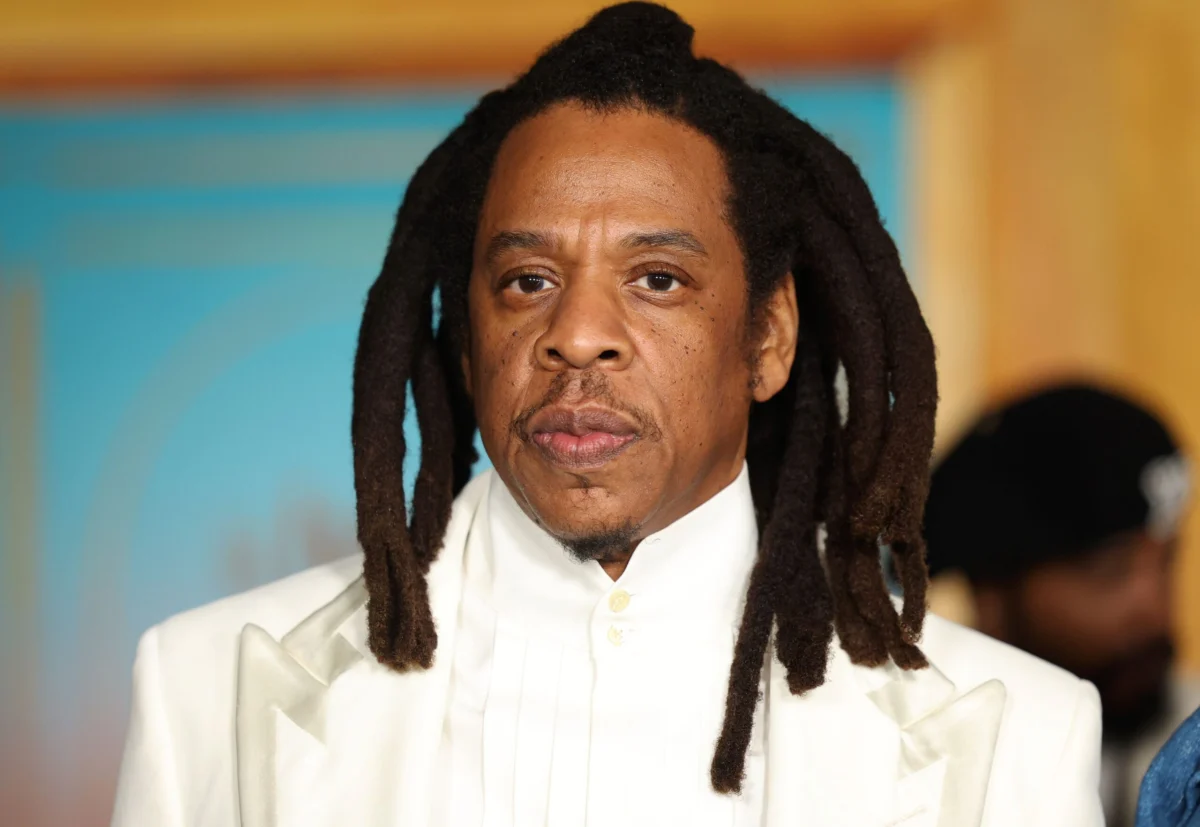
HangupsMusic.com – NEW YORK, In a development that has sent shockwaves through the upper echelons of the entertainment industry, the long-standing and grave allegations of sexual assault leveled against Shawn “Jay-Z” Carter have been unequivocally retracted by the accuser. The woman, who has navigated the legal system under the pseudonym Jane Doe, has issued a comprehensive sworn declaration that effectively dismantles her previous claims, admitting that the harrowing events she described never took place and that she has, in fact, never even met the hip-hop mogul. This sudden reversal marks a pivotal moment in a legal saga that has captivated the public and threatened the reputation of one of music’s most influential figures.
The core of the controversy traces back to late 2024, when Jane Doe first initiated legal proceedings. At the time, her primary target was Sean “Diddy” Combs. In her initial filings, she alleged that she had been the victim of a brutal assault during an after-party following the 2000 MTV Video Music Awards—an era synonymous with the height of the Bad Boy Records and Roc-A-Fella empires. In her original complaint, she described being raped by Combs and an unidentified “second male celebrity,” while a third well-known figure allegedly stood by and watched. However, the narrative shifted dramatically later that year when the lawsuit was refiled. In this updated version, the previously anonymous “second celebrity” was identified as Shawn Carter.
The allegations were specific and devastating. Jane Doe claimed she was only 13 years old at the time of the purported incident, adding a layer of statutory severity that brought immediate and intense scrutiny to Jay-Z’s personal and professional life. Throughout the duration of the litigation, both Carter and Combs maintained a stance of absolute innocence, with their respective legal teams dismissing the claims as opportunistic fabrications designed to extract settlements from high-profile targets.
By February 2025, the legal momentum behind Jane Doe’s case began to fracture. The accuser filed for a voluntary dismissal of her lawsuit “with prejudice.” In the legal world, a dismissal with prejudice is a significant and final action; it means the plaintiff is barred from ever filing the same claim against the defendants again. While such a move often signals a quiet settlement behind closed doors, Jay-Z’s response indicated that he was not interested in a quiet exit. Instead of letting the matter rest, the billionaire entrepreneur launched an aggressive counter-offensive, filing a lawsuit of his own. His legal team characterized the ordeal as a calculated campaign of “willful defamation per se” and “malicious prosecution,” seeking to hold the accuser and her counsel accountable for what they described as knowingly false and damaging accusations.
The most recent development in this high-stakes legal battle arrived on Thursday in the form of an 11-page sworn declaration obtained by investigative journalists. The document serves as a total recantation of every allegation Jane Doe previously made against Jay-Z. In the filing, the woman stated in no uncertain terms that Shawn Carter never raped her. She went further, clarifying that she has had no personal contact with the artist at any point in her life, stating, “I have never met or spoken to Mr. Carter.” She also confirmed that he never engaged in any form of inappropriate conduct toward her.
The emotional weight of the declaration was evident in its concluding remarks. Jane Doe acknowledged the gravity of her false statements, admitting that there was “no truth” to any of her claims against the rapper. She expressed an understanding of the profound “pain, suffering, and damage” her accusations had inflicted upon Carter—damage that she noted “can never be fully undone.” Crucially, the declaration included a statement asserting that she had not been financially compensated or coerced into making this new admission of falsehood, a detail meant to solidify the validity of the recantation in the eyes of the court.
While the recantation has led Jay-Z to drop Jane Doe as a defendant in his defamation suit, the legal warfare is far from over. Carter’s legal team has shifted its primary focus toward the woman’s former lead attorney, Tony Buzbee, and his eponymous law firm. The shift in strategy is fueled by explosive claims made by Jane Doe herself. In early 2025, she reportedly informed private investigators that she had been pressured into naming Jay-Z in the lawsuit. According to her account, Buzbee allegedly pushed her to include Carter as a co-defendant to increase the profile and leverage of her original case against Sean Combs.
The implications of these allegations against Buzbee are severe. If proven, they suggest a breach of professional ethics and a potential misuse of the judicial system for the purpose of “litigation by headline.” Buzbee, a prominent trial lawyer known for handling high-profile and controversial cases, now finds himself at the center of a defamation suit that seeks to examine the methods used to build the case against Jay-Z. As of this report, Buzbee’s legal representatives have been contacted for comment, but the firm’s defense strategy remains to be seen.
The broader context of this case cannot be ignored. The allegations against Jay-Z emerged during a period of unprecedented legal turmoil for Sean “Diddy” Combs, who has faced a barrage of lawsuits and federal investigations concerning his past conduct. By linking Jay-Z to the same alleged events at the 2000 VMAs, the lawsuit attempted to weave a narrative of systemic abuse within the upper echelons of the music industry. The collapse of the claims against Jay-Z, however, highlights the complexities and risks inherent in high-profile litigation where the line between seeking justice and pursuing a payday can sometimes become blurred in the court of public opinion.
For Jay-Z, the recantation provides a significant measure of public vindication, though the shadow of such serious allegations often lingers long after a case is dismissed. The Roc Nation founder has spent decades building a brand centered on business acumen, cultural influence, and social justice reform. An allegation of this nature, involving a minor, struck at the very heart of his public persona. His decision to pursue a defamation suit even after the initial case was dropped signals a commitment to clearing his name and perhaps a desire to set a precedent against what his team views as predatory litigation.
The legal community is closely watching the proceedings against Tony Buzbee. The outcome of this suit could have lasting effects on how attorneys vet clients and the degree of due diligence required before naming public figures in sensitive lawsuits. If the court finds that the allegations were indeed manufactured or pushed by counsel to bolster a separate case, it could lead to significant sanctions and a re-evaluation of the tactical use of Jane Doe filings in the entertainment sector.
As the dust begins to settle on the Jane Doe versus Carter saga, the focus remains on the integrity of the legal process. While the system is designed to provide a voice for victims, this specific case serves as a cautionary tale about the potential for falsehoods to weaponize the judicial system against individuals. The 11-page declaration filed this week stands as a rare and stark admission of guilt from an accuser, closing one chapter of a complex legal drama while opening a new, equally contentious one involving the lawyers who brought the case to light. For now, the music industry watches as Jay-Z continues his quest for legal accountability against those he believes orchestrated a campaign of lies against him.
