
 By Rose Miami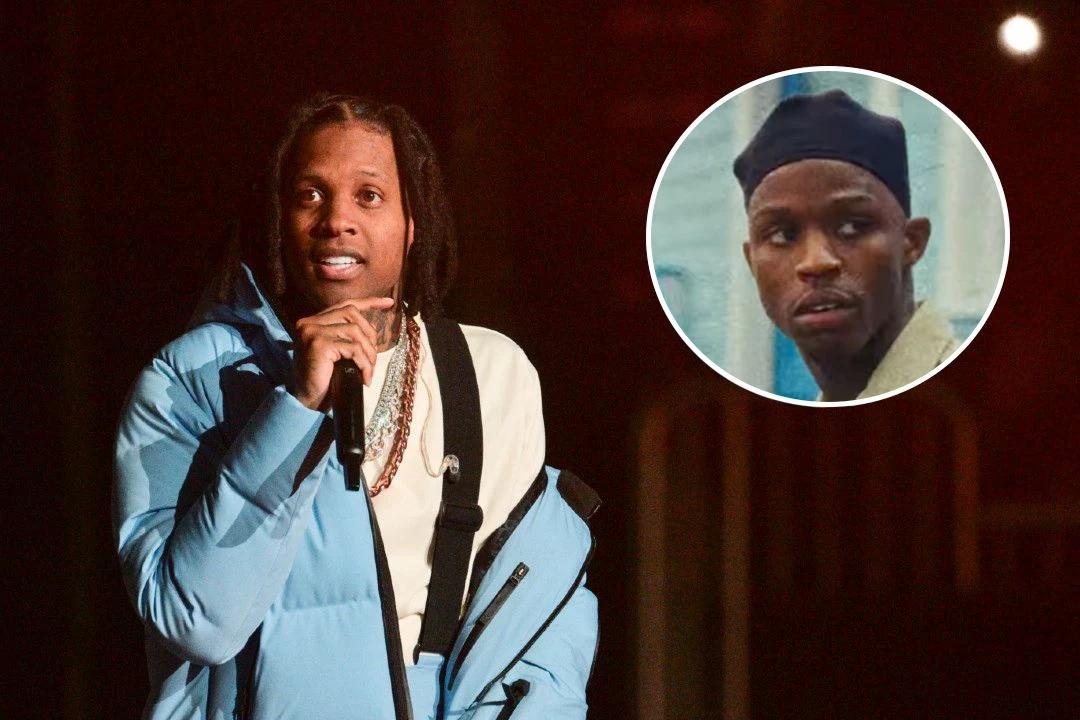
HangupsMusic.com – While rapper Lil Durk, born Durk D. Banks, recently secured a significant legal victory with his acquittal in a high-profile murder-for-hire trial, his legal entanglements are far from resolved. The Chicago-based artist now faces a separate civil lawsuit and an impending trial concerning the wrongful death of Saviay’a "Lul Pab" Robinson, the cousin of fellow rapper Quando Rondo. This development casts a shadow over the rapper’s recent triumph, underscoring the complex and often overlapping nature of legal challenges faced by individuals in the public eye.
The criminal case that concluded with Lil Durk’s acquittal on September 11th centered on allegations of a plot to murder Robinson. However, the legal ramifications extend beyond the criminal justice system. In February of the preceding year, Andrea Robinson, the mother of the deceased, initiated a civil wrongful death lawsuit against Lil Durk. The legal threshold for a civil case is notably lower than that of a criminal proceeding. Instead of requiring proof beyond a reasonable doubt, civil litigation operates on a "preponderance of the evidence" standard. This means the plaintiff, in this instance, Andrea Robinson, must demonstrate that their claim is more likely true than not, a less stringent burden for establishing liability.
The legal team representing Andrea Robinson issued a statement emphasizing the profound impact of Saviay’a Robinson’s untimely demise. The press release articulated the family’s devastation and their pursuit of accountability for those allegedly responsible for the tragic loss. Furthermore, the lawsuit aims to secure necessary support for the grieving family during this arduous period. This civil action is not the first of its kind for Lil Durk. In October of the previous year, LaSheena Weekly, the mother of the late rapper FBG Duck, also filed a wrongful death lawsuit against Lil Durk in connection with her son’s killing. It is important to note that Lil Durk was never formally charged in connection with FBG Duck’s death, highlighting the distinct nature of civil claims versus criminal indictments.

Adding another layer to Lil Durk’s ongoing legal challenges, he is currently detained and preparing to face charges of racketeering and murder in a separate criminal trial scheduled for the upcoming month. These charges stem from a VICAR (Violent Crimes in Aid of Racketeering Activity) indictment that was part of a third superseding indictment related to the murder-for-hire case. Although his legal defense team successfully petitioned to have these charges severed from the initial trial, the 33-year-old artist will now have to confront them in an independent legal proceeding.
The trial for these racketeering and murder charges is slated to commence on October 5th. This dual legal pressure, encompassing both civil and criminal matters, presents a significant challenge for Lil Durk, demanding considerable resources and strategic legal maneuvering. The outcome of these pending cases will undoubtedly have a substantial impact on his career and personal life, irrespective of his recent acquittal in the murder-for-hire trial. The legal landscape surrounding individuals in the music industry, particularly those associated with street narratives, often proves to be a complex and unforgiving terrain.
The wrongful death lawsuit, in particular, introduces a new dimension to the public perception of Lil Durk’s legal entanglements. While the criminal justice system has absolved him of the murder-for-hire charges, the civil court system will evaluate the evidence through a different lens. The "preponderance of the evidence" standard allows for a broader range of admissible evidence and a less rigid burden of proof, potentially opening avenues for the plaintiff to establish liability even without a criminal conviction. This underscores the distinction between criminal culpability and civil liability, a concept that often causes confusion among the general public.
The family’s legal counsel has expressed a commitment to ensuring that justice is served for Saviay’a Robinson and that his loved ones receive the compensation and support they are entitled to. The press release also implicitly acknowledges the broader societal implications of such cases, particularly within communities where violence and loss are unfortunately prevalent. The pursuit of accountability in civil court serves as a mechanism for families to seek redress and to potentially deter future acts of violence by holding those deemed responsible financially accountable.
Furthermore, the recurring nature of wrongful death lawsuits against Lil Durk raises questions about the broader patterns of legal disputes within certain segments of the music industry. The association with the gang-related moniker "OTF" (Only The Family) and the lyrical content that often reflects a life of street-level conflict can, in some instances, lead to increased scrutiny and legal challenges, even in the absence of direct criminal charges. This is a delicate balance for artists who draw inspiration from their lived experiences, as their narratives can become entangled with legal proceedings in unforeseen ways.
As Lil Durk prepares for his upcoming racketeering and murder trial, the civil lawsuit for wrongful death adds a significant layer of complexity to his immediate future. The legal system, with its distinct civil and criminal branches, operates on separate principles and procedures, requiring a multifaceted legal strategy. The coming months will be critical for the rapper as he navigates these converging legal battles, with the outcomes holding considerable weight for his public image and his ongoing career in the music industry. The public will undoubtedly be watching closely as these legal dramas unfold, highlighting the intricate interplay between fame, allegations, and the pursuit of justice.
