
 By admin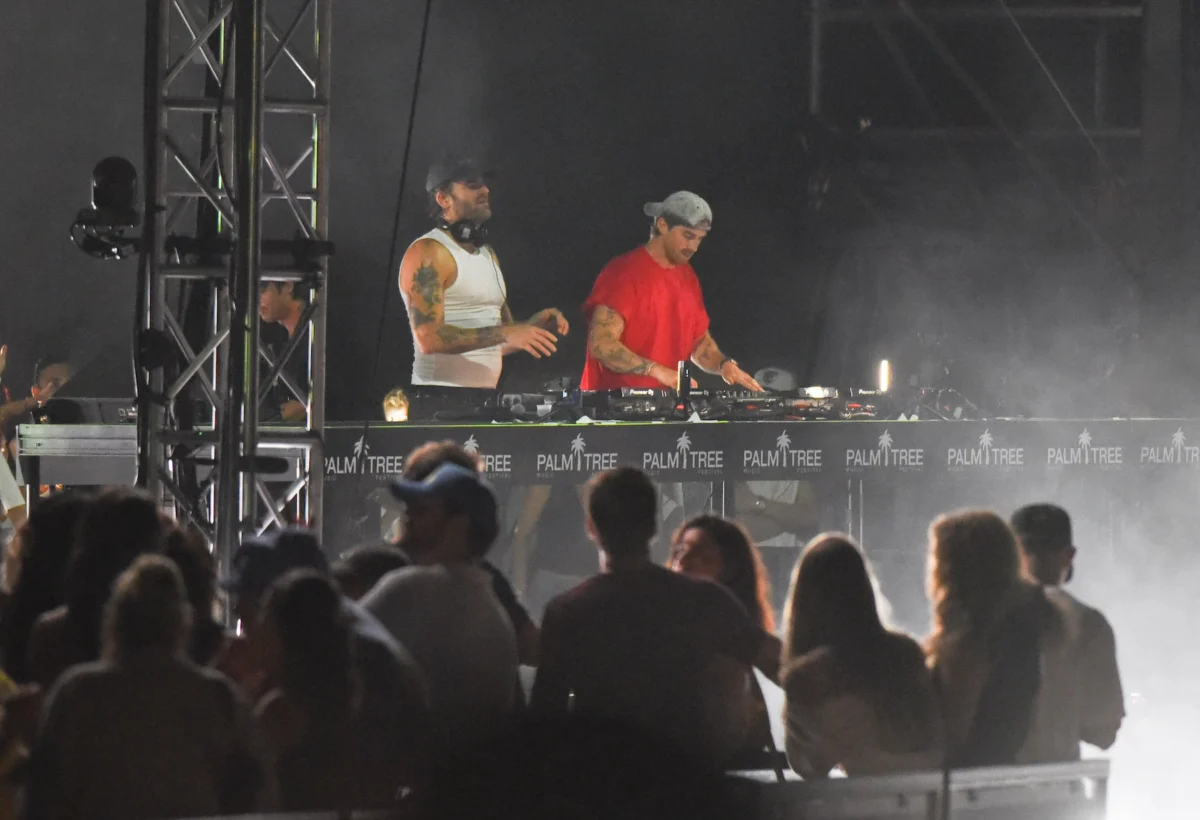
HangupsMusic.com – San Jose, California, was the scene of unexpected alarm on a recent Friday evening as a highly anticipated performance by the acclaimed electronic dance music (EDM) duo, The Chainsmokers, was marred by a significant number of medical emergencies. Over a dozen concertgoers required urgent attention, leading to their hospitalization, with authorities citing suspected alcohol intoxication and drug-related issues as the primary concerns. The incident casts a spotlight on safety protocols and the prevalent challenges associated with large-scale music events.
The vibrant atmosphere typical of a Chainsmokers concert, known for its high-energy beats, dazzling light shows, and enthusiastic crowds, was dramatically punctuated by the escalating medical crisis. Discovery Meadows, an outdoor venue in the heart of San Jose, which typically hosts a variety of community events and concerts, transformed into an emergency response hub as first responders worked tirelessly amidst the ongoing musical performance. Fans had gathered in droves, anticipating an unforgettable night of chart-topping hits and immersive soundscapes, only for a subset of the audience to find themselves in critical condition.
According to official statements from the San Jose Fire Department (SJFD), the first call for assistance arrived at 8:22 p.m. on Friday, September 4th. This initial report quickly escalated into a more extensive situation, prompting a rapid and comprehensive emergency response. The SJFD’s social media channels provided a timeline of their actions, indicating the swift recognition of a multi-patient incident. Within minutes of the initial alert, an Ambulance Task Force was requested, signifying the severity and scale of the unfolding emergency. This specialized task force is deployed when numerous patients require immediate medical transport and care, pooling resources from various emergency medical services (EMS) providers.
The deployment of two additional advanced life support (ALS) fire units further underscored the critical nature of the situation, bringing paramedics and advanced medical equipment directly to the scene. A Battalion Chief was also dispatched to assume incident command, responsible for orchestrating the complex logistical challenge of managing multiple patients within a bustling concert environment. This layered response system is crucial for effective disaster management, ensuring that resources are allocated efficiently and that patient care is prioritized under high-pressure circumstances. In total, fourteen ambulances were dispatched to Discovery Meadows, a significant commitment of resources for a single event, highlighting the intense demand placed on local emergency services. Ultimately, fourteen individuals were transported to various local hospitals for further medical assessment and treatment.
While the San Jose Fire Department’s initial reports focused on the operational aspects of their response, local law enforcement provided further clarity regarding the nature of the medical emergencies. Speaking to NBC Bay Area, police representatives confirmed that the majority of those requiring hospitalization were being treated for suspected alcohol intoxication and drug-related issues. This revelation, while not uncommon at large music festivals and concerts, immediately raised concerns about public health and safety practices at the event. The condition of the hospitalized individuals was not immediately disclosed, leaving a cloud of apprehension over the incident’s full impact.
The occurrence of such a significant number of alcohol and drug-related emergencies at a single event necessitates a deeper examination of the factors at play. EDM concerts, in particular, have long been associated with a culture where substance use can be prevalent. Attendees often seek an amplified sensory experience, and for some, this includes the consumption of alcohol and illicit substances. The high-energy environment, coupled with large crowds and potentially limited access to hydration and rest, can exacerbate the negative effects of intoxication, leading to rapid dehydration, heatstroke, and overdose. The peer pressure dynamics inherent in such social settings can also contribute to individuals consuming more than they might otherwise, or experimenting with substances they are unfamiliar with.
Event organizers and venue management face immense pressure to balance attendee enjoyment with robust safety measures. This includes ensuring adequate security presence to prevent illicit substance use, providing readily available free water stations, easily accessible medical tents, and clear signage promoting responsible consumption and harm reduction strategies. The sheer volume of attendees at a popular act like The Chainsmokers makes monitoring individual behavior incredibly challenging, but proactive measures are vital. From a public health perspective, such incidents serve as stark reminders of the ongoing need for educational campaigns targeting young adults about the dangers of substance abuse, especially when combined with the physical demands of concert attendance.
The coordination between various emergency services during such an event is a testament to the extensive training and preparedness required for mass casualty incidents. Firefighters, paramedics, police officers, and private security personnel must work in seamless unison, often in noisy and chaotic environments. The process of triage, where patients are quickly assessed and prioritized based on the severity of their condition, is critical in ensuring that the most urgent cases receive immediate attention. Establishing clear pathways for patient extraction and transport, as well as maintaining communication channels with local hospitals to manage incoming patient loads, are all intricate components of an effective response. The rapid deployment of 14 ambulances speaks to a well-rehearsed emergency plan, but also to the overwhelming demand that suddenly emerged.
Despite the unfolding medical crisis, The Chainsmokers’ performance at Discovery Meadows continued without interruption. The duo, composed of Alex Pall and Drew Taggart, concluded their set, seemingly unaware of the full scope of the emergency, or perhaps choosing to maintain the performance to avoid further panic among the remaining audience. They later shared snippets of the San Jose gig on their social media platforms, capturing the excitement of the crowd but making no mention of the serious medical incidents that had transpired. This silence, while potentially strategic to avoid speculation or premature commentary, often leads to public scrutiny and questions about an artist’s awareness and responsibility regarding their audience’s well-being.
The incident at Discovery Meadows is likely to trigger a thorough review by city authorities, event organizers, and venue management. Such reviews typically examine everything from security staffing levels and emergency medical provisions to alcohol sales policies, crowd control measures, and pre-event risk assessments. The goal is not only to understand what went wrong but also to implement corrective actions to prevent similar occurrences in the future. For San Jose, a city that frequently hosts large-scale events, ensuring public safety remains a paramount concern, and this incident will undoubtedly inform future planning for concerts and festivals.
Beyond the immediate aftermath, the event highlights a broader industry-wide discussion about concert safety and harm reduction. As music events grow in size and spectacle, so too do the logistical and medical challenges. There is an ongoing push from public health advocates for more comprehensive harm reduction strategies, including accessible information, drug-checking services (where legal and feasible), and compassionate responses to individuals experiencing substance-related distress. The incident in San Jose serves as a sobering reminder that while music brings people together for joy and celebration, the potential for serious health crises at such gatherings remains a persistent concern that requires vigilant and collaborative efforts from all stakeholders – artists, promoters, venues, and attendees alike.
