
 By Azzam Bilal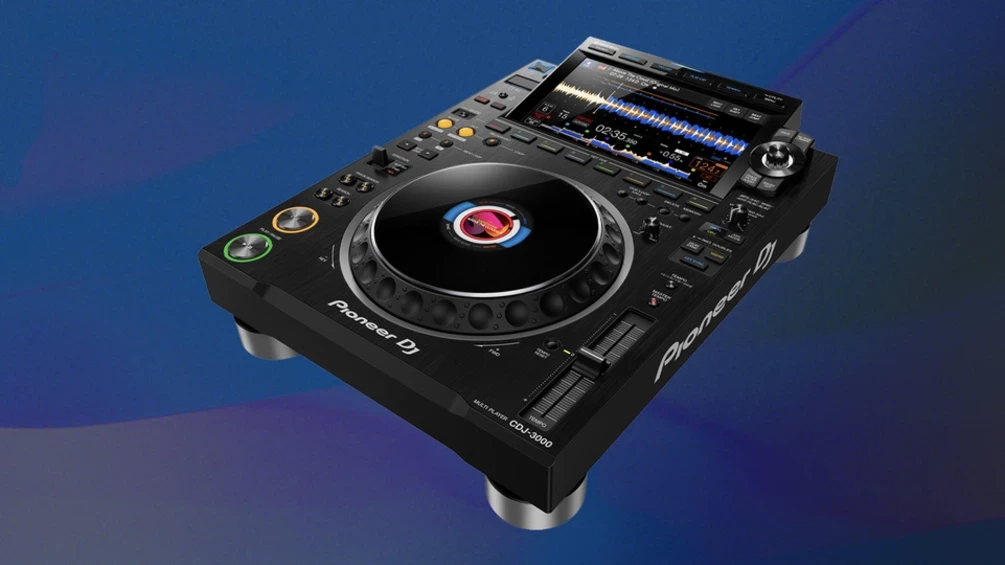
HangupsMusic.com – YOKOHAMA, Japan, In an era where the professional DJ booth is increasingly defined by its software integration as much as its tactile controls, AlphaTheta Corporation has issued an urgent advisory that highlights a growing technical schism within its ecosystem. The manufacturer, which continues to operate the iconic Pioneer DJ brand while expanding its eponymous AlphaTheta line, has identified a significant compatibility hurdle involving its proprietary music management software, rekordbox, and the USB devices that serve as the lifeblood of modern performance. This notice comes at a pivotal moment for the company as it transitions its hardware lineup toward a "next-generation" architecture, a move that has inadvertently left some users caught between legacy reliability and cutting-edge functionality.
At the heart of the issue is a fundamental change in how rekordbox organizes and exports data to external storage. For years, the industry standard has been the "Device Library" format—a database structure that allowed DJs to prepare tracks on a computer and have them read seamlessly by hardware ranging from the aging CDJ-2000NXS2 to the more recent CDJ-3000. However, as AlphaTheta pushes for more advanced features like cloud synchronization and complex metadata handling, it has introduced a more robust database structure known as "OneLibrary," which was previously referred to as "Device Library Plus." This new format is designed to handle the increased data demands of modern units, yet it has created a compatibility gap that can lead to "invisible" playlists if not managed correctly.
The technical friction arises from a lack of universal cross-compatibility between the company’s newest flagship products and its established "club standard" gear. According to the official statement, AlphaTheta’s most recent hardware releases—including the CDJ-3000X media player, the OPUS-QUAD all-in-one system, the portable OMNIS-DUO, and the recently launched XDJ-AZ—are built to prioritize and, in some cases, exclusively read the OneLibrary format. Conversely, several widely used pieces of equipment that are still central to many club installations and home setups, such as the original CDJ-3000 and the XDJ-XZ, remain tethered to the original Device Library format.
For the working professional, this creates a potential "nightmare" scenario in the DJ booth. A performer who prepares a USB drive using the newer OneLibrary format might find that their playlists and folders are fully accessible on a CDJ-3000X, only to find the drive appearing empty or disorganized when plugged into a standard CDJ-3000 or an XDJ-XZ. This fragmentation of the user experience is particularly concerning given that many venues feature a mix of hardware, or may not have updated their flagship players to the latest specifications. AlphaTheta has clarified that while the music files themselves remain safe and are never deleted during the connection process, the "road map" provided by the playlists may simply fail to load if the library format does not match the player’s requirements.
To mitigate these issues, AlphaTheta is urging all users to update their rekordbox software to version 7.2.11 or later. This specific iteration of the software includes improved tools for managing the export process, allowing users to ensure that their USB devices contain the necessary database files for both legacy and modern hardware. The company has also published a comprehensive technical guide detailing how to manually convert playlists and ensure that a single USB stick can serve as a universal key for any AlphaTheta or Pioneer DJ setup. This "re-exporting" process is now considered a mandatory step for DJs who frequently move between different venues and equipment configurations.
This advisory follows a period of significant turbulence for the company’s firmware development team. Only recently, AlphaTheta was forced to take the unusual step of suspending the distribution of firmware version 3.30 for the CDJ-3000. The update was intended to bring new features to the player, but it instead triggered a wave of reports from high-profile DJs who found their playlists missing mid-set. The issue was traced back to the same library format conflict; many drives exported in the older Device Library format were not being recognized by the updated firmware. The backlash was immediate, with performers describing the experience as a technical failure that compromised their ability to perform. In response, AlphaTheta recommended that affected users perform a "downgrade" by redownloading and installing firmware version 3.20 to restore stability.
The library format transition is part of a broader strategy by AlphaTheta to modernize the DJ workflow, but it also reflects the growing pains of a brand in transition. Since the rebranding from Pioneer DJ to AlphaTheta, the company has been aggressive in its product rollout, seeking to define a new aesthetic and functional standard. Among these new releases is the DJM-V5, a three-channel mixer that has garnered significant attention. The DJM-V5 is a direct descendant of the flagship DJM-V10, a six-channel behemoth that redefined high-end club audio with its "high-resolution" sound and studio-grade processing. By distilling the V10’s essence into a more compact, three-channel format, AlphaTheta is targeting a segment of the market that demands premium audio quality without the massive footprint or price tag of a six-channel mixer.
Further expanding its creative ecosystem, the company also recently unveiled the RMX-IGNITE, a "next-generation" effector unit. Released in January, the RMX-IGNITE represents a shift in how AlphaTheta approaches performance effects, moving away from the traditional layouts of the RMX-1000 and toward a more integrated, software-aware hardware experience. These hardware releases are being paired with significant software milestones, such as the recent integration of Apple Music into the CDJ-3000X. This integration allows DJs to access millions of tracks directly from the cloud, a feature that necessitates the more advanced OneLibrary database structure to manage streaming metadata and licensing.
However, the push toward cloud-connected, high-data environments like Apple Music integration is precisely what is driving the need for the OneLibrary format, and by extension, causing the current compatibility friction. The CDJ-3000X is the vanguard of this movement, acting as a bridge between traditional local storage and the future of streaming-based performance. While this offers unprecedented flexibility, it also requires a more disciplined approach to file management from the user. The transition from the Pioneer DJ name to the AlphaTheta brand was meant to signal a new era of innovation, but the recent library issues serve as a reminder that in the professional world, reliability and backward compatibility are often valued above all else.
The current situation places a responsibility on both the manufacturer and the end-user. For AlphaTheta, the challenge lies in harmonizing a hardware lineup that spans nearly a decade of different technical architectures. For the DJ, the challenge is staying informed about the subtle but critical differences between software versions and database formats. The company’s "important notice" is a move toward transparency, but it also underscores the complexity of the modern digital booth. As rekordbox continues to evolve into a more holistic platform that manages everything from lighting to cloud-based track analysis, the simple act of "plugging in a USB" has become a sophisticated data exchange that requires the latest software tools to execute correctly.
As the industry moves forward, the adoption of rekordbox 7.2.11 and the OneLibrary format will likely become the new baseline. For now, the advice for touring professionals is clear: double-check the firmware of the venue’s players, keep rekordbox updated to the absolute latest version, and always maintain a secondary USB prepared in the legacy format until the transition to OneLibrary is universally supported across the global club circuit. AlphaTheta’s commitment to providing conversion guides and manual fixes suggests they are aware of the burden this places on performers, but as the company looks toward a future of Apple Music integration and high-resolution mixers like the DJM-V5, these technical growing pains appear to be the price of progress in the digital age of DJing.
