
 By Azzam Bilal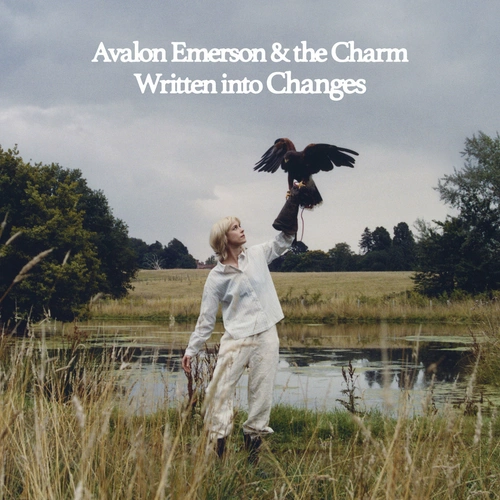
HangupsMusic.com – In the volatile landscape of contemporary electronic music, few transitions have been as scrutinized—or as initially celebrated—as that of Avalon Emerson. The San Francisco-born, Berlin-based producer first etched her name into the collective consciousness of the global club scene through a series of high-octane, rhythmically complex releases that redefined the boundaries of techno and house. Tracks like the seminal "One More Fluorescent Rush" showcased a unique ability to blend high-energy "trance-y woosh" with a cerebral, almost architectural approach to sound design. However, Emerson has never been one to stay tethered to a single aesthetic for long. Her pivot into the realm of a live band project with & the Charm was not just a change in genre, but a fundamental shift in her artistic identity. That debut was hailed as a revelation, a seamless fusion of electronic precision and the hazy, emotive textures of dream pop. Now, with the release of the follow-up, Written Into Changes, Emerson faces the daunting "sophomore slump" challenge, delivering a collection that, while technically proficient, struggles to recapture the lightning-in-a-bottle magic of its predecessor.
The evolution of Avalon Emerson & The Charm represented a rare moment where a club-focused artist successfully translated their dancefloor sensibilities into a coherent, song-oriented format. The first album felt like a breakthrough because it didn’t just add vocals to beats; it reimagined what a "band" led by a master synthesist could sound like. It was adventurous, sparkling, and deeply personal. Written Into Changes attempts to build on this foundation, yet it often feels as though the edges have been sanded down too aggressively. Where the debut felt like an organic explosion of new ideas, this new record carries the weight of a project that has perhaps been over-thought in the studio.
The album does not lack for highlights, particularly when Emerson allows her more eccentric instincts to take the lead. The opening of "Happy Birthday" is a masterclass in mood-setting, utilizing what can only be described as a "rave nausea" melody—a dizzying, slightly off-kilter synth line that evokes the disorienting feeling of a long night turning into a bright morning. It is a nod to her dancefloor roots, but filtered through a lens of indie-pop introspection. Similarly, "How Dare This Beer" offers a refreshing departure from the standard pop structure. It functions as a "weirdo waltz," leaning into odd time signatures and unconventional instrumental layering that keeps the listener on their toes. These moments suggest that the experimental spirit of the first album is still present, even if it is buried under layers of more conventional production.
The undisputed peak of the record arrives with "God Damn (Finito)." Here, the project finally hits its stride, finding the perfect balance between Emerson’s electronic pedigree and the band’s melodic ambitions. The track possesses an ethereal strut, a confident mid-tempo groove that feels both weightless and grounded. It is the one moment on the album where the "dream pop" label feels fully earned, as the vocals and instruments melt into a shimmering, cohesive whole. It reminds the listener of why this project was so exciting in the first place: the ability to create music that feels both futuristic and nostalgically familiar.
However, the primary critique of Written Into Changes lies in its tendency to retreat into safety. Too much of the album’s runtime is occupied by tracks that feel "polite." There is an abundance of spick-and-span guitar work and drums that seem content to simply paddle along without ever making a splash. In the search for a more refined sound, the grit and "sparkle" that defined the debut have been somewhat diminished. A prime example of this tonal shift is "Jupiter and Mars." The track veers dangerously close to the pop-punk sensibilities of early 2000s artists like Avril Lavigne, but without the infectious energy or stakes required to pull off such a stylistic leap. It is pop music that doesn’t quite "pop"—it sits in a middle ground that feels strangely tentative for an artist of Emerson’s caliber.
This sense of being "toned down" is palpable throughout the record. While the sonic palette of Written Into Changes isn’t a radical departure from & the Charm, the execution feels significantly more restrained. It is as if every creative decision—from the songwriting to the final mix—has been pulled back by about ten percent. The electronic flourishes, which used to feel integral and daring, now sometimes feel "sticky-taped" onto the melodies rather than woven into the fabric of the songs. This lack of integration leads to a cumulative drag on the album’s momentum, making it difficult for the listener to remain fully engaged from start to finish.
The production itself is undeniably professional, yet it lacks the "adventure" that fans have come to expect from an Emerson project. Her previous work was defined by its sense of movement—a kinetic energy that made even her slowest tracks feel like they were hurtling toward a destination. In Written Into Changes, that movement feels stunted. The melodies often feel like "shoulder-shrugging" compositions; they are pleasant enough to listen to, but they rarely demand your attention or leave a lasting emotional imprint. For a songwriter who proved she could write genuinely brilliant songs on her first outing, the lack of melodic ambition here is disappointing.
There is a fine line between maturity and stagnation, and Written Into Changes teeters on that edge. It is clear that Emerson and her collaborators are trying to refine their sound, perhaps aiming for a more "timeless" indie-pop aesthetic. But in doing so, they have sacrificed some of the idiosyncrasies that made the project unique. The "trance-y woosh" that once defined Emerson’s solo work was powerful because it was unapologetic. When she brought that energy to the dream-pop format on the first album, it created a friction that was electrifying. On this second record, that friction has been replaced by a smooth, glossy finish that, while attractive, lacks character.
Despite these criticisms, Avalon Emerson remains a vital figure in the electronic landscape. Her willingness to step away from the DJ booth and pick up an instrument is a testament to her artistic integrity. She is clearly not interested in repeating herself, even if this particular iteration doesn’t quite land with the same impact as the last. The album’s flaws are largely the result of an artist over-correcting in the pursuit of a "perfect" sound. By over-thinking the production and the songwriting, the raw emotion and spontaneity that made & the Charm a revelation have been somewhat stifled.
Ultimately, Written Into Changes serves as a transitional moment for Avalon Emerson & The Charm. It is an album of competent, often beautiful music that nonetheless feels like a step back from the daring heights of their debut. While tracks like "God Damn (Finito)" and "Happy Birthday" show that the group still possesses the ability to create captivating, genre-bending music, the rest of the record struggles to escape the shadow of its own politeness. For Emerson, the challenge moving forward will be to rediscover the "sparkle" and the "adventure" that made her a star in the first place, and to trust that her most eccentric ideas are often her best. As a follow-up, it is a respectable effort, but one that leaves the listener wishing for a little more of the old "woosh" and a little less of the shoulder-shrug.
