
 By admin
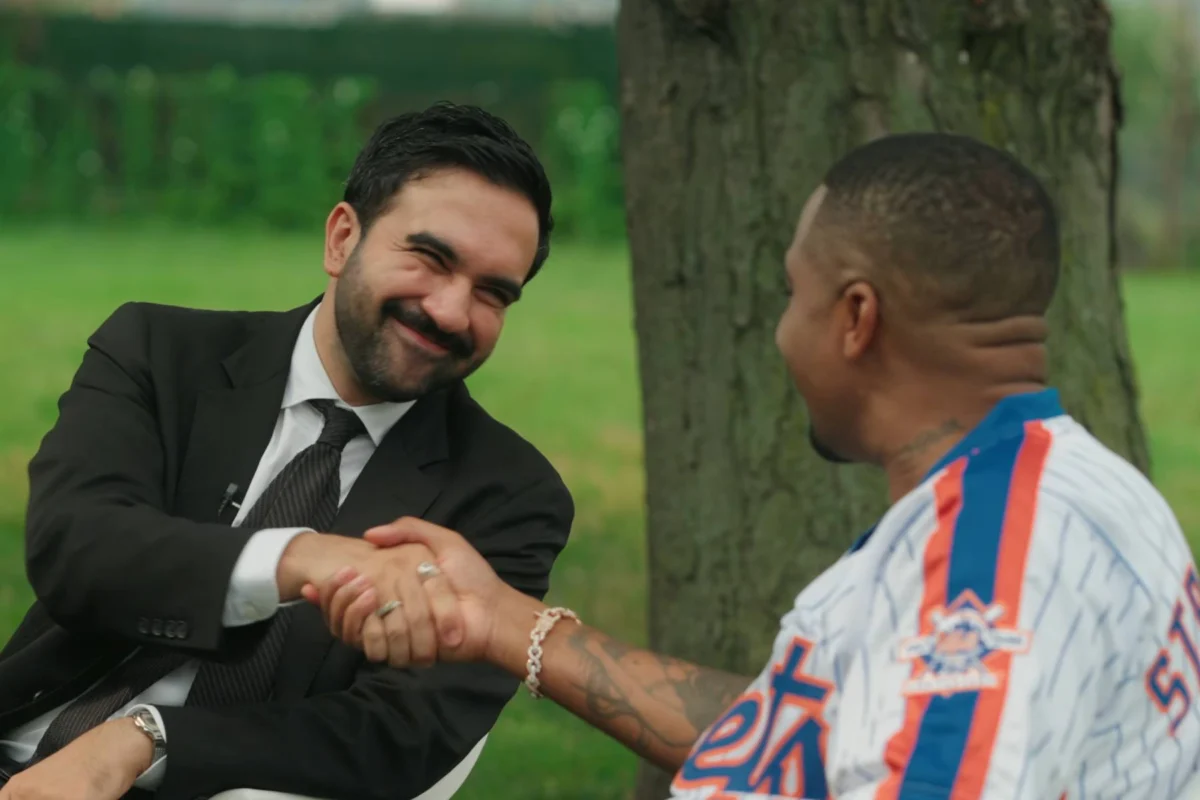
HangupsMusic.com – New York City, The vibrant pulse of hip hop, a cultural phenomenon born from the crucible of the Bronx over five decades ago, continues to resonate globally. Yet, as the genre celebrates its monumental 50th anniversary, a critical dialogue has emerged from the very heart of its genesis: can New York City sustain its legacy as hip hop’s spiritual home amidst the relentless currents of economic change? This pressing question formed the core of a recent, poignant exchange between New York City Mayor Zohran Mamdani, a figure with his own history in the rap scene, and legendary Queensbridge artist Nas, a voice synonymous with the genre’s urban authenticity. Their conversation, captured in a compelling video from the Mayor’s Office, serves as a powerful call to action, urging the city to move beyond mere celebration of its past to actively safeguard its future as a nurturing ground for artistic innovation.
The roots of hip hop run deep into the fabric of New York City, specifically the economically strained yet creatively fertile South Bronx of the early 1970s. It was here, amidst a landscape of urban decay and social upheaval, that pioneering figures like DJ Kool Herc ignited a revolution, transforming block parties into a canvas for a new form of expression. From Herc’s breakbeats emerged the foundational elements: the rhythmic poetry of emceeing, the acrobatic grace of breaking, the visual artistry of graffiti, and the sonic wizardry of DJing. What began as a local outlet for marginalized youth rapidly transcended geographical boundaries, evolving into a global cultural movement that has permeated every facet of art, fashion, language, and commerce. Its journey from street corners to mainstream dominance, from a localized subculture to an international language, underscores its profound and enduring impact. The 50th anniversary, celebrated with considerable fanfare, offered a moment for reflection, not just on hip hop’s incredible journey, but on the challenges it faces in its birthplace.
It was against this backdrop of historical significance and contemporary urgency that Mayor Zohran Mamdani, known in his pre-political life as the rapper Young Cardamom or Mr. Cardamom, sought out one of hip hop’s most revered oracles. Their meeting took place in the iconic Queensbridge Park, directly overlooking the Queensbridge Projects where Nas, born Nasir Jones, spent his formative years and drew inspiration for some of rap’s most seminal works. The choice of location was deliberate and symbolic, anchoring their discussion firmly in the community and concrete realities that forged hip hop’s identity. This convergence of political leadership and artistic royalty underscored the gravity of the issues at hand. Mamdani, uniquely positioned with his understanding of both policy and performance, engaged Nas in a profound dialogue about hip hop’s past, its present challenges, and the vision for its continued flourishing within the city that birthed it. The video released by the Mayor’s Office was more than just a promotional piece; it was a testament to a city grappling with how to honor its heritage while facing the stark realities of an ever-changing urban landscape.
Mayor Mamdani articulated a compelling vision that transcends nostalgic sentimentality. "We cannot be content with New York City simply being the birthplace of hip hop," he asserted with conviction. "We want it to still be its home, and that means ensuring that the artists who create here are actually able to live here." This statement cuts to the core of a critical challenge facing cultural capitals worldwide: the relentless pressure of rising living costs and gentrification. Mamdani’s concern is that the very communities and individuals who imbue New York City with its unique cultural vibrancy – the artists, musicians, writers, and performers – are increasingly being priced out of the neighborhoods that inspired their creations. The irony is stark: the city celebrates its cultural output while inadvertently displacing its creators. His call is not just for preservation, but for active cultivation, a commitment to creating an environment where artistic expression remains accessible and sustainable for all, not just the privileged few.
Delving deeper into the economic threat, Mamdani warned against a future where "art becomes a luxury good." Such a scenario, he argued, would be a profound disservice, "depriving future generations from the magic of art." His words paint a vivid picture of a city stripped of its creative soul, reduced to a mere museum of past glories rather than a dynamic, living incubator of new ideas. The mayor’s impassioned plea underscores a fundamental belief: art is not a commodity to be consumed, but a vital force that shapes identity, fosters community, and drives innovation. For New York City, with its unparalleled artistic heritage, allowing economic forces to stifle creativity would represent a betrayal of its very essence. Mamdani envisions a city that actively nurtures its creative ecosystem, ensuring that its cultural legacy remains a "living, breathing testament" to its commitment to the arts, fostering an environment where hip hop, and indeed all art forms, can continue to thrive and evolve.
Nas, the lyrical architect of Queensbridge, offered a powerful perspective on hip hop’s intrinsic role as a societal mirror and a voice for the voiceless. "Hip-hop unveils the truth. Hip-hop tells you exactly what your city looks like, sounds like, feels like," he explained, his words carrying the weight of lived experience. He characterized the genre as "an outcry from people who demanded things to change and to tell the world what we were going through." This resonates deeply with the socio-economic conditions of the 1970s and 80s, when New York City faced significant challenges including economic recession, high crime rates, and widespread urban blight. Hip hop emerged from this crucible as a raw, unfiltered chronicle of life in the inner city, a medium through which marginalized communities could articulate their struggles, aspirations, and defiance. It became a powerful tool for social commentary, documenting realities that were often ignored or misrepresented by mainstream narratives. Nas’s insights highlight hip hop’s enduring power as a form of resistance, a cultural barometer, and a testament to the resilience of the human spirit in the face of adversity.
Beyond rhetoric and dialogue, tangible action is also taking root. The short film featuring Mamdani and Nas also showcased a groundbreaking initiative: the Bronx School of Hip Hop. The mayor was seen celebrating the first day of school with students at this innovative institution, which, as a press release detailed, "uses hip-hop culture as a foundation for rigorous instruction." Located in District Nine in the Claremont section of the Bronx, the school serves students from ninth through twelfth grade, offering a curriculum that is both academically demanding and culturally immersive. Here, students don’t just learn about hip hop; they engage directly with its core elements – emceeing, DJing, graffiti, breaking, and "knowledge of self" – connecting these artistic disciplines to broader academic content and real-world experiences. This holistic approach aims to nurture not only artistic talent but also critical thinking, self-awareness, and practical life skills.
The curriculum at the Bronx School of Hip Hop extends far beyond the traditional arts, integrating courses in audio production, digital media, and financial literacy alongside standard academic subjects. This innovative educational model recognizes the multifaceted nature of hip hop culture and equips students with skills relevant to both creative industries and personal empowerment. Principal Jason Reyes, visibly moved by the city’s commitment, articulated the profound significance of this official endorsement: "It’s like surreal that New York City mayor’s office, the chancellor’s office, this is their school. They said we are going to back this." His statement reflects the journey of hip hop from an often-maligned street art to a recognized and celebrated academic discipline. "Who would have ever thought that hip-hop would make it this far? So, it means the world to know that our city is leading the way in a way that no one else has ever done it. And that’s New York," Reyes concluded, encapsulating the pride and pioneering spirit of a city that continues to embrace and champion its most iconic cultural export.
The dialogue between Mayor Mamdani and Nas, coupled with the tangible example of the Bronx School of Hip Hop, signifies a crucial moment for New York City. It’s a powerful acknowledgment that preserving hip hop’s legacy requires more than just historical recognition; it demands active investment in its future creators and the communities that nurture them. By addressing the economic challenges that threaten to displace artists and by integrating hip hop culture into formal education, New York City is striving to ensure that its identity as the genre’s enduring home remains vibrant and accessible. This commitment reflects a deeper understanding: that the magic of hip hop, its truth-telling power, and its transformative potential, is inextricably linked to the diverse, dynamic, and ever-evolving spirit of the city where it all began. As hip hop moves into its next half-century, New York City aims not just to remember its birth, but to actively sculpt its living future.
