
 By admin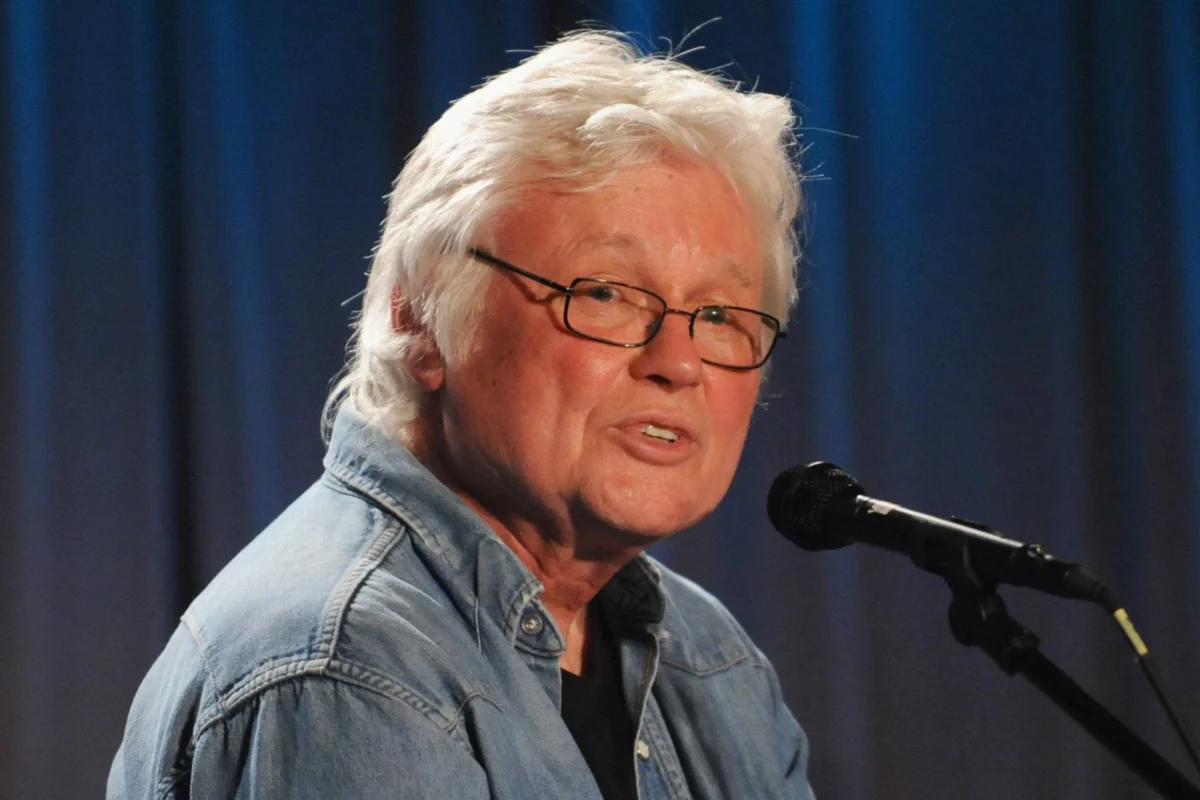
HangupsMusic.com – The music world mourns the passing of Chip Taylor, the legendary composer whose evocative lyrics and unforgettable melodies shaped the soundscape of popular music for over half a century. Taylor, born James Wesley Voight, passed away on Monday, March 23, at the age of 86. The news was confirmed by his record label, Train Wreck, though a specific cause of death was not disclosed. A revered inductee into the prestigious Songwriters Hall of Fame, Taylor’s monumental contributions include penning timeless anthems such as "Wild Thing" and "Angel of the Morning," alongside a vast catalog of other beloved compositions like "He Sits at Your Table" and "I Can’t Let Go."
Beyond his celebrated musical career, Taylor was a member of a remarkable artistic lineage. He was the brother of acclaimed actor Jon Voight and distinguished geologist Barry Voight, making him the uncle to Oscar-winning actress Angelina Jolie and accomplished actor James Haven. This familial connection highlights a shared heritage of creativity and profound impact in their respective fields.
Taylor’s journey into music began remarkably early, with his innate talent manifesting at a tender age. According to a 2023 profile in The Guardian, he composed his first song at just 12 years old. By 16, he was already leading his own band, "Wes Voight and the Town Three," honing his craft and performing for audiences. His early experiences included touring with nascent pop sensation Neil Sedaka, a formative period that undoubtedly broadened his musical horizons. A pivotal moment arrived with his decision to adopt the stage name Chip Taylor, marking a new chapter as he embarked on a recording career with Warner Bros. Records. This transformation quickly bore fruit, yielding his first appearance on the music charts in 1962 with the single "Here I Am."
Throughout the ensuing decades, Taylor meticulously built a reputation as one of the most consistently successful and versatile songwriters of his era. His ability to craft compelling narratives and irresistible hooks transcended genre boundaries, leading to a prolific output of albums and singles under his own name, while simultaneously supplying a stream of hits for other artists. His breakthrough as a songwriter arrived with seismic force in the mid-1960s.
The year 1965 saw the initial recording of "Wild Thing" by Jordan Christopher and the Wild Ones. However, it was The Troggs’ raw, electrifying rendition in 1966 that propelled the song into the global stratosphere, becoming an international sensation and a definitive anthem of garage rock. Its simple, three-chord structure, coupled with its uninhibited lyrical directness, captured the untamed spirit of the burgeoning counterculture. The song’s iconic status was further immortalized two years later at the legendary Monterey Pop Festival in 1967. There, Jimi Hendrix delivered a scorching, unforgettable performance, culminating in the dramatic ritual of setting his guitar ablaze – an act that forever cemented "Wild Thing" in the annals of rock mythology and cemented its place as a symbol of audacious musical rebellion. The song’s universal appeal ensured its continued relevance, inspiring a diverse array of artists to offer their own interpretations, from the punk rock ferocity of The Runaways to the whimsical charm of The Muppets, and the alternative rock grit of X.
Reflecting on the enduring power of "Wild Thing," Taylor himself offered profound insight into its minimalist genius. "A lot of people don’t realize what a beautiful thing space is in a song," he shared with The Guardian. "‘Wild Thing’ still gives me the chills; when I strike the chords and you know the spirit of it. It’s a nice feeling." This statement underscores his intuitive understanding of how economy and emotional resonance can create an indelible musical experience, a hallmark of his songwriting philosophy.
Another cornerstone of Taylor’s impressive catalog is the profoundly poignant "Angel of the Morning." First recorded by Evie Sands in 1967, the song quickly found its way into the hearts of listeners through subsequent versions. Merrilee Rush and the Turnabouts took the track to new heights in 1968, reaching an impressive Number Seven on the Billboard Hot 100, solidifying its status as a major hit. Over a decade later, the song experienced an extraordinary resurgence. In 1981, country-pop sensation Juice Newton released her rendition, which not only sold over a million copies but also soared to Number Four on the charts, introducing the song to an entirely new generation of fans and becoming one of her signature tunes. The melody’s timeless quality proved its adaptability once more in 2001 when reggae superstar Shaggy ingeniously interpolated it into his smash hit "Angel." This contemporary reinterpretation propelled the song to Number One in a remarkable twelve countries, including the United States, the United Kingdom, and Australia, demonstrating the enduring global appeal of Taylor’s original composition.
Taylor provided a deeply personal context for "Angel of the Morning," revealing its inspiration and the earnestness behind its creation. "‘Angel of the Morning’ is just such a spirited song and wrote itself very quickly," he told The Guardian. He elaborated on its genesis: "I think it was inspired by a war movie that I’d seen on television the night before, where two lovers on different sides of the war were spending any time they could together. People thought it was just a roll in the hay but I didn’t mean it like that at all. This was the most powerful love of two people who may never see each other again – they would love each other forever and beyond time. It was a very serious song." This explanation provides a crucial window into Taylor’s empathetic songwriting approach, showcasing his ability to distill complex human emotions into universally resonant lyrical narratives.
Beyond these two monumental hits, Taylor’s collaborative spirit and diverse musical palette led to a rich tapestry of recordings across various genres. His compositions were sought after by some of the biggest names in music. Country legend Willie Nelson lent his distinctive voice to Taylor’s "He Sits at Your Table," a testament to Taylor’s ability to craft songs that resonated within the country music landscape. "I Can’t Let Go," a poignant track co-written with Al Gorgoni, embarked on its own journey through musical history. Initially recorded by Evie Sands, it achieved widespread popularity through The Hollies’ energetic 1966 rendition and found renewed success in 1980 with Linda Ronstadt’s soulful interpretation, showcasing its adaptability across different musical eras and styles. Another testament to his knack for crafting infectious tunes is "Any Way That You Want Me," a track that has been covered by a lengthy roster of artists, with The Troggs once again delivering one of the most successful and enduring versions.
Taylor’s songwriting philosophy was rooted in an authentic, almost spiritual connection to his craft. In a Speaking Freely television interview, he articulated his creative process: "I just try to let my spirit go some place, and then I try to catch up to it. I just wanted to write stuff that made me feel something." This profound statement encapsulates the essence of his artistry – a relentless pursuit of emotional truth and an unwavering commitment to composing music that resonated deeply with his own soul, and consequently, with millions around the world.
In his later years, Taylor continued to create and perform, often exploring a more roots-oriented, Americana sound, demonstrating an enduring passion for music that never waned. His induction into the Songwriters Hall of Fame was a fitting recognition of a career defined by unparalleled creativity, a keen understanding of popular taste, and an ability to craft songs that transcended transient trends to become permanent fixtures in the cultural lexicon.
Chip Taylor’s legacy is not merely in the number of records sold or chart positions achieved, but in the enduring emotional connection his songs forged with generations of listeners. His compositions are more than just tunes; they are cultural touchstones, encapsulating moments, feelings, and movements. As the music world remembers Chip Taylor, it celebrates not just a songwriter, but a true architect of sound, whose profound influence will continue to resonate for decades to come, ensuring his place among the giants of popular music.
