
 By Azzam Bilal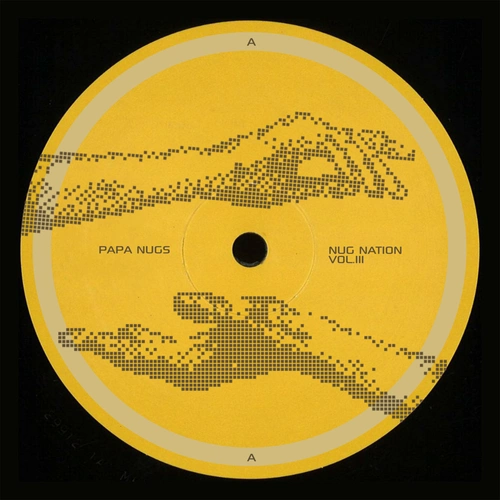
HangupsMusic.com – London, The intersection where the raw, visceral energy of rock and roll meets the precision of electronic dance music has always been a fertile ground for sonic innovation. This cross-pollination is not a modern fad but a long-standing tradition that has shaped the landscape of club culture for decades. From the "dance-oriented rock" (DOR) movements of the early 1980s to the gritty, fashion-forward explosion of electroclash at the turn of the millennium, the tension between these two genres has consistently produced music that is as physically demanding as it is intellectually engaging. In his latest offering, Nug Nation Vol. III, the producer Joe Nugent—better known to the global clubbing community as Papa Nugs—steps into this historical lineage with remarkable confidence, delivering a collection of tracks that feel both like a nostalgic tribute and a forward-thinking manifesto.
The lineage Nugent draws upon is specific and deeply evocative. To understand the sonic architecture of Nug Nation Vol. III, one must look back to the mid-to-late 2000s, an era defined by a specific brand of high-fidelity maximalism. This was the period when acts like Simian Mobile Disco, Vitalic, and Justice were dismantling the boundaries between the stadium and the basement club. It was a time when The Chemical Brothers were exploring the psychedelic grit of We Are The Night, and the "blog house" phenomenon was at its zenith. Papa Nugs captures this essence, not through mere imitation, but through a meticulous reconstruction of the era’s bravado, filtered through contemporary production techniques that ensure the sound remains crisp, clear, and club-ready.
At the heart of the EP is a rhythmic philosophy that prioritizes the "disco-rock" drum kit. Unlike the clinical, quantized percussion found in much of modern techno or house, the percussion on this record feels alive and swinging. There is a perceptible "swagger" to the beats—a heavy-footed, driving quality that mimics the presence of a live drummer while maintaining the relentless consistency required for the dancefloor. This foundation allows Nugent to layer complex textures without losing the listener’s momentum. The production is crystalline, avoiding the muddy distortion that often plagues rock-influenced electronic music, instead opting for a sharp, punchy clarity that highlights every buzzy synth run and atmospheric flourish.
The lead single, "Sleepless Nights," serves as the centerpiece of the release and perfectly encapsulates the EP’s aesthetic goals. The track is a masterclass in balance, blending high-energy club dynamics with the melodic sensibilities of New Wave. The inclusion of a sweet, whistling synth line provides a catchy, almost whimsical hook that stands in stark contrast to the driving low-end. This is a classic production trope, reminiscent of the indie-dance crossover hits of twenty years ago, yet here it feels refreshed. The vocals further lean into this New Wave heritage, delivered with a detached yet emotive quality that evokes the neon-lit melancholy of the 1980s synth-pop pioneers. It is a track that feels equally at home in a peak-time festival set as it would on a late-night drive through a rain-slicked city.
Nugent’s work on Nug Nation Vol. III also highlights a broader trend within the electronic music community: the revival of "Indie Sleaze" aesthetics and the return of the rock-star persona in DJ culture. For several years, the underground scene was dominated by a more austere, minimalist approach to techno and house. However, there has been a recent shift toward maximalism, personality, and genre-blurring. Artists like Fcukers and Papa Nugs are leading this charge, embracing the theatricality and attitude of rock music to create a more inclusive and high-energy atmosphere. The "bravado" mentioned in early critiques of the EP is not just a stylistic choice; it is a necessary component of the music’s identity. It demands attention and refuses to fade into the background as mere ambient textures.
Technically, the EP is a showcase of sophisticated synthesis. The "buzzy" synth runs that permeate the tracks are carefully sculpted to cut through the mix without becoming grating. There is a sense of harmonic richness in the distortion, suggesting a deep knowledge of analog-style processing. This attention to detail ensures that while the music carries a "light touch of nostalgia," it does not sound dated. The frequency response is wide and modern, with a sub-bass presence that would have been difficult to achieve during the original electroclash era. It is this marriage of old-school songwriting and new-school engineering that gives Papa Nugs his edge in a crowded market.
The "Nug Nation" series itself represents a significant evolution for Joe Nugent. As he has progressed through the volumes, his sound has become more refined and his thematic focus more sharp. Vol. III feels like a culmination of this journey, a point where the artist has fully realized his vision for a hybrid sound that honors his influences while asserting his own voice. The confidence on display here is infectious. There is no hesitation in the arrangements; every transition is bold, and every sonic element serves a clear purpose.
Furthermore, the EP arrives at a time when the clubbing public is increasingly looking for music that offers more than just a functional beat. There is a growing appetite for tracks with "song" structures—elements like choruses, bridges, and identifiable vocal hooks. By incorporating New Wave vocals and whistling synths, Nugent provides the listener with a narrative hook to hang their experience on. This makes the music more memorable and gives it a life beyond the strobe lights of the nightclub. It is music that can be discussed, hummed, and returned to, rather than being discarded after a single season.
In the broader context of Joe Nugent’s discography, Nug Nation Vol. III positions him as a versatile architect of mood. He is capable of moving between the grit of the underground and the polished sheen of crossover success without losing his integrity. The EP is a reminder that electronic music is at its best when it is unafraid to be loud, proud, and slightly flamboyant. It rejects the "cool" detachment of the minimal scenes in favor of a warm, high-octane embrace of the dancefloor’s transformative power.
As the industry continues to grapple with the cyclical nature of trends, Papa Nugs’ latest work suggests that the most effective way to move forward is to look back with a critical and creative eye. By identifying the elements of the 2000s electro scene that truly resonated—the energy, the fusion of live and electronic elements, and the unapologetic fun—and updating them for a 2024 audience, he has created something that feels essential. Nug Nation Vol. III is more than just a collection of dance tracks; it is a celebration of the enduring romance between the guitar and the synthesizer, and a testament to the fact that rock-and-roll swagger will always have a home in the heart of the rave.
For those who lived through the first wave of French touch and blog house, this EP will feel like a homecoming. For younger listeners, it serves as a vibrant introduction to a style of music that prioritizes personality and impact. Regardless of the listener’s background, the result is the same: a visceral, high-energy experience that confirms Papa Nugs as one of the most exciting and capable producers currently working in the UK electronic scene. With this release, Nugent has not only paid his respects to the giants of the past but has firmly established himself as a leader of the new school.
