
 By Azzam Bilal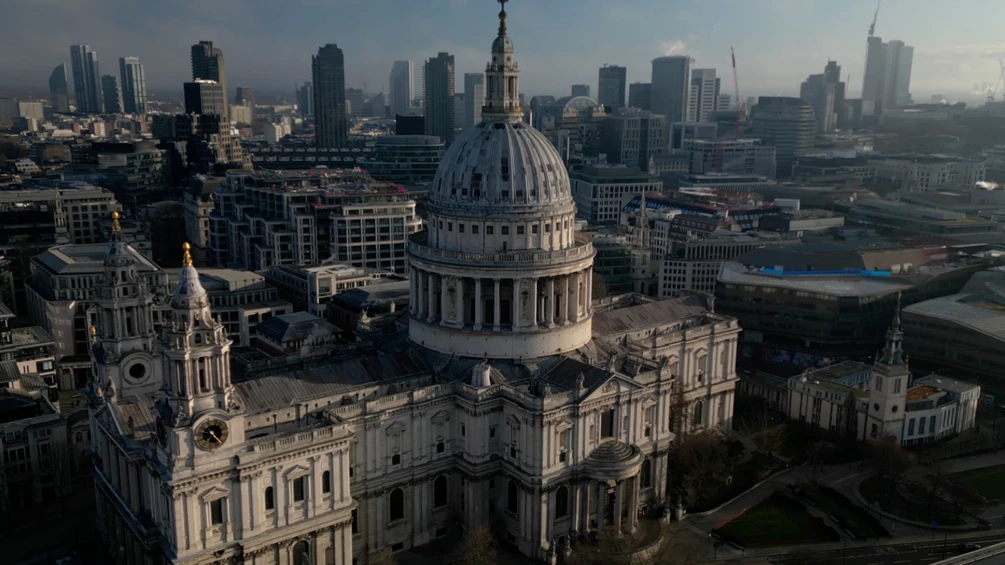
HangupsMusic.com – London, in a move that signals a profound shift in the intersection of contemporary nightlife and heritage preservation, the world-renowned electronic music institution fabric has solidified a four-year residency within the hallowed halls of St Paul’s Cathedral. This unprecedented alliance, set to run until the year 2030, represents a significant bridge between London’s underground subcultures and its most revered historical landmarks. The announcement marks a formal commitment to a series of curated musical performances that will see one of the world’s most famous club brands curate soundscapes beneath the iconic dome of the 316-year-old Anglican cathedral.
The collaboration is scheduled to commence its next chapter on October 29th, with an inaugural performance that promises to set the tone for the coming half-decade. While the specific artist lineup for the October event remains under wraps, the anticipation within the global music community is palpable. This partnership is not merely a series of one-off concerts but a strategic alignment designed to explore the acoustic and spiritual possibilities of one of Sir Christopher Wren’s greatest architectural achievements. For fabric, a venue synonymous with the dark, subterranean corridors of Farringdon, the move into the light and verticality of St Paul’s represents a bold evolution of their brand identity.
The relationship between these two seemingly disparate entities did not emerge in a vacuum. The foundation for this long-term agreement was laid in 2024, when fabric and St Paul’s hosted a groundbreaking event headlined by the Australian-born, Stockholm-based artist RY X. Known for his ethereal, haunting vocals and minimalist production, RY X was the ideal candidate to test the waters of contemporary music within a space traditionally reserved for liturgy and choral arrangements. That performance was a historic milestone, marking the first time in the cathedral’s three-century history that a contemporary music event had been permitted within its walls. The success of that evening, which balanced the intensity of modern performance with the solemnity of the setting, was followed by a legendary appearance by Patti Smith, further proving that the cathedral could serve as a powerful vessel for diverse artistic expressions.
Cameron Leslie, the co-founder of fabric, has been vocal about the philosophical underpinnings of this venture. In his view, fabric has always functioned as a conduit for human connection through the medium of sound. By moving into St Paul’s, the organization is seeking to elevate that mission. Leslie described the opportunity as "incredibly exciting," noting that the partnership represents an "extraordinary and unexpected coming together" of two distinct facets of London life. The goal, according to Leslie, is to build upon the momentum of their initial collaborations to create experiences that are not only musically significant but also deeply respectful of the architectural and historical gravity of the cathedral.
From the perspective of St Paul’s Cathedral, the partnership is a vital component of their modern engagement strategy. Sandra Lynes Timbrell, the Director of Visitor Engagement at the cathedral, emphasized that the curated programme is designed to showcase world-class talent while opening the doors of the iconic space to new audiences. For the cathedral, hosting fabric-curated events is a way to demonstrate the "unique atmosphere" that live music can generate. It is a recognition that the "sacred" can be found in the communal experience of music, whether that music is a centuries-old hymn or a contemporary electronic composition. This initiative reflects a broader trend among European heritage sites to remain relevant in the 21st century by embracing cultural forms that resonate with younger, more diverse demographics.
The transition from a basement club to a grand cathedral is a logical progression for fabric, which has spent years experimenting with the relationship between sound and architecture. During the height of the COVID-19 pandemic, when dance floors were forced into silence, fabric launched the "London Unlocked" series. This project saw the club move out of its Farringdon home and into some of the capital’s most striking landmarks to record a series of DJ sets and live performances. These sessions, which were filmed without audiences and broadcast globally, featured artists like Djrum and LCY performing at Tower Bridge, and Ok Williams, Saoirse, Shanti Celeste, and Midland taking over the Raphael Gallery at the Victoria and Albert Museum.
Other notable "London Unlocked" locations included the industrial setting of Smithfield Market, where Batu and object blue performed, and the majestic Royal Albert Hall, which hosted sets by Skream and Shy One. These events were more than just placeholders for a closed club; they were a proof of concept that electronic music and high-end curation could thrive in spaces of immense cultural value. The success of these digital broadcasts provided fabric with the institutional confidence and the portfolio needed to approach a site as prestigious as St Paul’s Cathedral for a long-term physical residency.
While the venue change is dramatic, fabric’s commitment to technical excellence remains a constant. The club has spent the last year significantly upgrading its own internal infrastructure, ensuring that its reputation for world-leading sound quality remains intact. Earlier this year, the club unveiled substantial audio enhancements for Rooms 2 and 3, marking the first major hardware changes in those spaces in nearly ten years. This followed a massive overhaul of the Room 1 sound system, which included the installation of a cutting-edge "Bodykinetic" dance floor. This technology uses haptic feedback to allow clubbers to feel the low-end frequencies through their feet, complementing a revamped Martin Audio rig that is widely considered one of the best in the world.
This dedication to audio fidelity will be crucial for the St Paul’s partnership. Cathedrals are notoriously difficult acoustic environments, characterized by long reverb times and complex echoes that can easily muddle contemporary music production. fabric’s experience in high-end sound engineering will be essential in ensuring that the concerts are not just loud, but clear and immersive, respecting the delicate balance of the cathedral’s natural resonance. The challenge of taming the acoustics of a stone dome to accommodate modern sound systems is a task that few organizations are better equipped to handle than fabric.
The four-year timeline of the partnership suggests a deep level of trust between the club and the ecclesiastical authorities. It allows for a gradual development of the programme, moving beyond experimental one-offs into a sustained cultural season. As London’s nightlife continues to face challenges from rising costs and changing social habits, initiatives like this provide a blueprint for how cultural brands can diversify and survive. By positioning itself as a curator of "exceptional concerts" in "iconic spaces," fabric is evolving from a local nightclub into a global cultural agency.
As the October 29th date approaches, the eyes of the music world will be on London. This partnership is a testament to the city’s ability to reinvent its own history, blending the old and the new in ways that challenge conventional expectations. Whether it is the ambient textures of a neo-classical composer or the rhythmic pulse of an electronic pioneer, the music heard at St Paul’s Cathedral over the next four years will likely redefine what it means to experience live performance in the heart of the city. For those who have followed fabric from its 1999 inception to its current status as a pillar of British culture, this move to the cathedral feels like a coronation—a recognition that the culture born on the dance floor is worthy of the highest stages.
