 By Rose Miami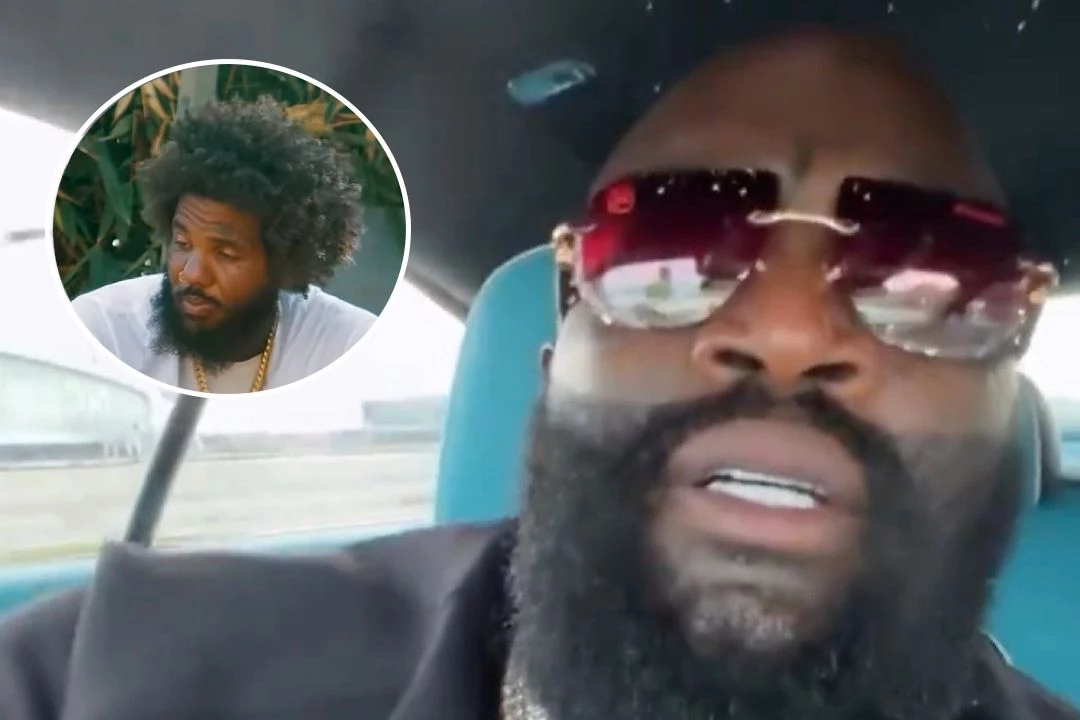
HangupsMusic.com – In the ever-evolving landscape of music consumption, where first-week sales figures often become a flashpoint for industry discourse, rapper Rick Ross has stepped into the fray, drawing attention to the commercial performance of fellow artist The Game’s latest album. Ross, who has himself faced scrutiny over the sales of his own recent project, utilized his social media platform to highlight that The Game’s new release, The Documentary III, charted lower on the Billboard 200 than Ross’s Set In Stone. This move, while seemingly aimed at deflecting criticism, also reignites the perennial conversation surrounding the metrics of success in the contemporary hip-hop scene.
The catalyst for Ross’s commentary was the release of the first-week sales data for The Documentary III. The album, a highly anticipated installment in The Game’s acclaimed series, debuted at the respectable, yet not chart-topping, No. 68 position on the Billboard 200, moving approximately 14,806 units. This figure, when juxtaposed with the first-week performance of Rick Ross’s Set In Stone, which secured the No. 39 spot with 19,214 units sold in July, provided Ross with the talking point he apparently sought.
Ross took to Instagram to share his perspective, directly addressing the numbers and the extensive list of high-profile collaborators featured on The Documentary III. He enumerated the impressive roster, which included contributions from Ye (formerly Kanye West), Drake, PARTYNEXTDOOR (whom Ross dismissively referred to as "Party Downstairs"), Snoop Dogg, E-40, Marsha Ambrosius, and the late Drakeo the Ruler. "That was a project that was released last week. The Documentary III," Ross stated in his video message. "Two Kanye features, Drake, Party downstairs, Snoop Dogg, E-40, Marsha Ambrosius, Drakeo The Ruler—may he rest in peace. I was a huge fan. But more importantly, the point I want you to know is, Set In Stone, which is out right now, did more numbers than Documentary III with what they call a stimulus package." The term "stimulus package" in this context appears to be Ross’s veiled reference to the perceived impact of major guest features on an album’s commercial appeal.
Despite the underlying competitive jab, Ross also extended a gesture of encouragement to The Game. Recognizing the pressures and fluctuations inherent in the music industry, he advised his fellow artist to persevere. "Listen, keep hustling," Ross implored. "That’s what it’s all about. The Game as an artist, continue to make music my ni*a. The west coast needs you, you feel me? And for all the other artists, don’t let that sht dictate how you move, what you create. And you keep going." This sentiment underscores a broader acknowledgment that artistic creation should not be solely dictated by immediate commercial outcomes, a message that resonates within a community often driven by both passion and profit.

The context of Ross’s remarks is further illuminated by his recent experience with sales criticism. Earlier in the year, the Miami rapper found himself the target of public commentary, notably from fellow artist 50 Cent, regarding the first-week sales of Set In Stone. The public exchange with 50 Cent, who has a history of engaging in rap rivalries and public spats, clearly left an impression on Ross, prompting him to preemptively address any lingering discourse about his own album’s performance by drawing a parallel to another artist’s numbers. The inclusion of Drake on The Game’s album likely added another layer of significance for Ross, given the complex history and ongoing narratives surrounding Drake’s commercial dominance and his interactions with other artists within the genre.
The current era of music consumption presents a multifaceted challenge for artists and their labels. The decline of physical album sales, the rise of streaming services, and the changing habits of music listeners have collectively reshaped how album success is measured. While album sales remain a tangible metric, they are increasingly viewed alongside streaming numbers, social media engagement, touring revenue, and overall cultural impact. Rick Ross’s recent commentary, therefore, taps into a broader conversation about the validity and relevance of traditional sales figures in a digital age, and how artists navigate the often-intense public scrutiny that accompanies these metrics.
The hip-hop community is no stranger to artist-to-artist comparisons and debates, often fueled by social media. These discussions, while sometimes entertaining, also highlight the underlying pressures artists face to perform commercially. The inclusion of such prominent figures as Ye and Drake on The Documentary III served to amplify expectations, and their perceived impact on the album’s sales trajectory is now a subject of discussion, largely due to Ross’s intervention.
Ultimately, Rick Ross’s public statement serves as a strategic deflection and a reminder that the metrics of success in the music industry are fluid and often subject to interpretation. By pointing to The Game’s sales figures, Ross not only attempts to contextualize his own album’s performance but also engages in a broader commentary on the current state of album sales within the hip-hop genre, urging fellow artists to remain focused on their craft amidst the ever-present spotlight of commercial evaluation. The discourse surrounding album sales, it seems, remains a persistent undercurrent in the dynamic world of rap music.
