
 By admin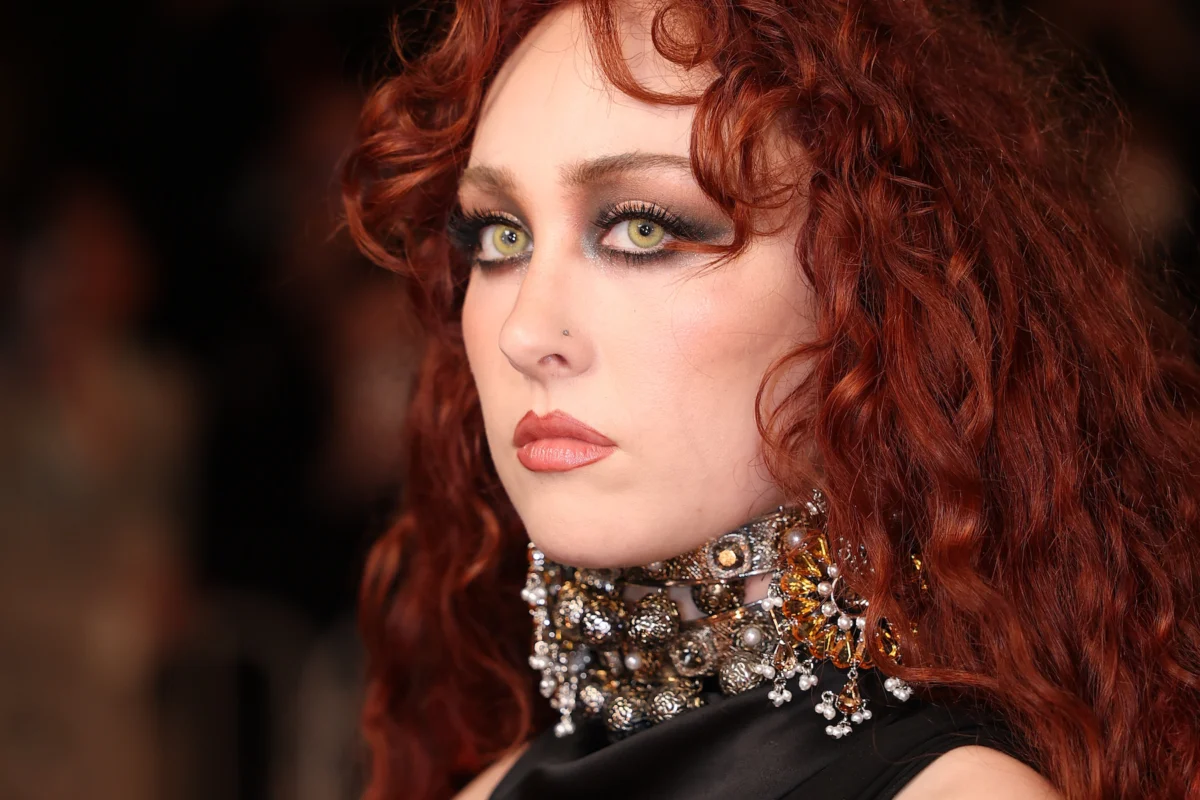
HangupsMusic.com – Sao Paulo, Brazil has been the epicenter of a swirling controversy involving rising pop sensation Chappell Roan, a professional soccer star, and an unexpected hotel encounter that quickly escalated into a global social media debate. The incident, unfolding during the vibrant backdrop of Lollapalooza Brazil, saw Roan at the center of allegations concerning her security team’s alleged aggressive behavior towards a young fan. What began as an innocent breakfast interaction at a shared hotel swiftly transformed into a heated public discussion, forcing the "Good Luck, Babe!" singer to issue a direct and heartfelt clarification, emphasizing the independence of the security personnel involved and expressing deep regret for the distress caused.
The controversy ignited on Saturday when Jorginho, the acclaimed Brazilian-Italian footballer, took to his Instagram account, commanding a following of over 5 million, to share a distressing account. His post, articulated in both Portuguese and English, detailed an incident involving his wife, Catherine Harding (mother to Jude Law’s daughter, Ada Law), and their 11-year-old daughter, Ada, who is a fervent admirer of Chappell Roan. Jorginho explained that his daughter had been "incredibly excited" to potentially see Roan, even crafting a handmade sign in anticipation. By sheer coincidence, they were staying at the same Sao Paulo hotel as the artist, leading to a fateful breakfast encounter.
According to Jorginho, the interaction was fleeting and entirely innocent. During breakfast, Roan walked past their table. Ada, recognizing her idol, "simply walked past the singer’s table, looked to confirm it was her, smiled, and went back to sit with her mum." Crucially, Jorginho stressed, his daughter "didn’t say anything, didn’t ask for anything." The excitement of a young fan, merely acknowledging an admired artist from a distance, seemed utterly harmless. However, the situation took an alarming turn shortly after.
A "large security guard," described by Jorginho as "extremely aggressive," reportedly approached their table. The guard allegedly chastised Jorginho’s wife and daughter, accusing the child of "disrespecting" or "harassing" other guests. The footballer recounted the guard’s threat to file a complaint with the hotel, an action that left his 11-year-old daughter in tears. Jorginho expressed his profound disbelief and anger, questioning how a simple glance could be misconstrued as harassment. The incident, shared with millions, quickly garnered widespread attention, drawing condemnation and calls for an explanation from Chappell Roan. The public’s initial reaction was one of dismay, particularly given Roan’s burgeoning reputation for an inclusive and fan-friendly stage persona, often characterized by her vibrant, unapologetic pop anthems and connection with her audience.
Adding another layer to the unfolding narrative, Chappell Roan took the stage at Lollapalooza Brazil on Saturday night, just hours after the alleged incident. During her performance, she publicly thanked her security team, among others, for their support. At the time, this gesture, while seemingly routine, inadvertently fueled the perception that she endorsed the actions of the security guard involved in the hotel incident. The timing of her public appreciation, coinciding with the viral spread of Jorginho’s allegations, created a momentary surge of confusion and frustration among fans and observers, who wondered if the artist was aware of the specific incident or if her statement was a general acknowledgment.

However, as the controversy intensified overnight, Chappell Roan moved swiftly to clarify her position. On Sunday morning, she utilized her Instagram stories to deliver "my half of the story," a direct and earnest video message aimed at dispelling misconceptions and addressing the upset. Roan unequivocally stated that the security guard involved was "not my personal security." She emphasized that she had not even been aware of the interaction, stating, "I didn’t even see a woman and a child, like no one came up to me, no one bothered me. Like, I was just sitting at breakfast in my hotel."
Roan further elaborated that she "did not ask this security guard to go up to talk to this mother and child." She expressed strong disapproval of the guard’s preemptive judgment, asserting, "It’s unfair for security to just assume someone doesn’t have good intentions when they have no reason to believe because there’s no action even taken." Her candid remarks aimed to distance herself from the guard’s actions and to clarify that the aggressive intervention was neither sanctioned nor requested by her or her team.
The emotional core of Roan’s message was her heartfelt apology. "I do not hate people who are fans of my music. I do not hate children," she stated, directly countering any implication that she would condone such behavior towards her admirers. She concluded her apology with genuine remorse: "I am sorry to the mother and child that someone was assuming something, that you would do something, and that if you felt uncomfortable, that makes me really sad. You did not deserve that." Her words sought to mend the rift, acknowledge the distress, and reaffirm her connection with her fanbase.
This incident casts a spotlight on the increasingly complex dynamics of celebrity encounters in private settings. While artists like Chappell Roan appreciate their fans, maintaining personal space and privacy, especially during downtime in hotels or restaurants, is a constant challenge. The line between admiration and perceived intrusion can be thin, and the role of security personnel in mediating these interactions is crucial. In this case, the distinction between an artist’s personal security detail, trained to understand their specific needs and boundaries, and generic hotel security, which might operate under different protocols and with less direct communication with the celebrity, proved to be a critical factor.
The rapid amplification of Jorginho’s account through social media underscores its immense power to instantly create global dialogues and demand immediate responses from public figures. In an era where every interaction can be documented and shared, celebrities are often under pressure to address controversies swiftly and transparently. Chappell Roan’s decision to directly engage with the allegations and offer a personal clarification, rather than issuing a formal, detached statement, likely resonated more authentically with her audience and helped to mitigate further damage to her public image.
Ultimately, the Sao Paulo hotel incident serves as a poignant reminder of the delicate balance between fan adoration and celebrity privacy. For artists navigating newfound fame, managing these boundaries responsibly, while also ensuring their security, remains a significant challenge. Chappell Roan’s swift and empathetic response, dissociating herself from the aggressive actions of an independent security guard and apologizing to the affected family, demonstrates a commitment to her values and her relationship with her fanbase, even amidst the whirlwind of a major international festival. The incident, while unfortunate, has provided a moment of clarity and a powerful lesson in the nuanced responsibilities that accompany life in the public eye.
