 By Azzam Bilal
HangupsMusic.com – NEW YORK, The highly anticipated expansion of the All Things Go Festival into the New York City market has met a premature and unfortunate conclusion for the 2026 season. Organizers officially announced the cancellation of the three-day event, which was slated to take place at the historic Forest Hills Stadium in Queens, citing an impending and severe Nor’easter forecasted to batter the Tri-State area. The decision, made in the interest of public safety, marks a significant blow to the city’s autumn concert calendar and highlights the increasing volatility of outdoor live music events in the face of extreme meteorological patterns.
The weather system in question is expected to bring a trifecta of hazardous conditions to the New York metropolitan region, including sustained high winds, torrential rainfall, and significant coastal flooding. For a venue like Forest Hills Stadium—an open-air cathedral of tennis and music history—the risks posed by such a storm are insurmountable. High-profile outdoor festivals rely on complex staging, massive LED screens, and intricate lighting rigs, all of which become potential hazards when subjected to the gusty conditions typical of a powerful Nor’easter.
In a formal statement released ahead of what would have been the festival’s opening night, the All Things Go production team expressed their profound disappointment. The organizers noted that the decision was not made in isolation but followed intensive consultations with local municipal officials, the management of Forest Hills Stadium, and a panel of trusted weather advisors. "The safety of our fans, the artists, and the local crew who work tirelessly behind the scenes is our absolute top priority," the statement read. The festival confirmed that all ticket holders would receive automatic refunds to the original method of payment, a logistical undertaking intended to mitigate the frustration of thousands of fans who had traveled from across the country for the event.
The 2026 New York edition of All Things Go was meant to be a landmark moment for the brand, which has spent the last decade building a reputation as one of the premier independent festivals on the East Coast. Known for its curated lineups that frequently emphasize female, non-binary, and LGBTQ+ artists, the New York expansion was seen as a natural progression for the Maryland-born institution. The Forest Hills roster was a testament to this mission, featuring a blend of international pop stars and indie-rock darlings.
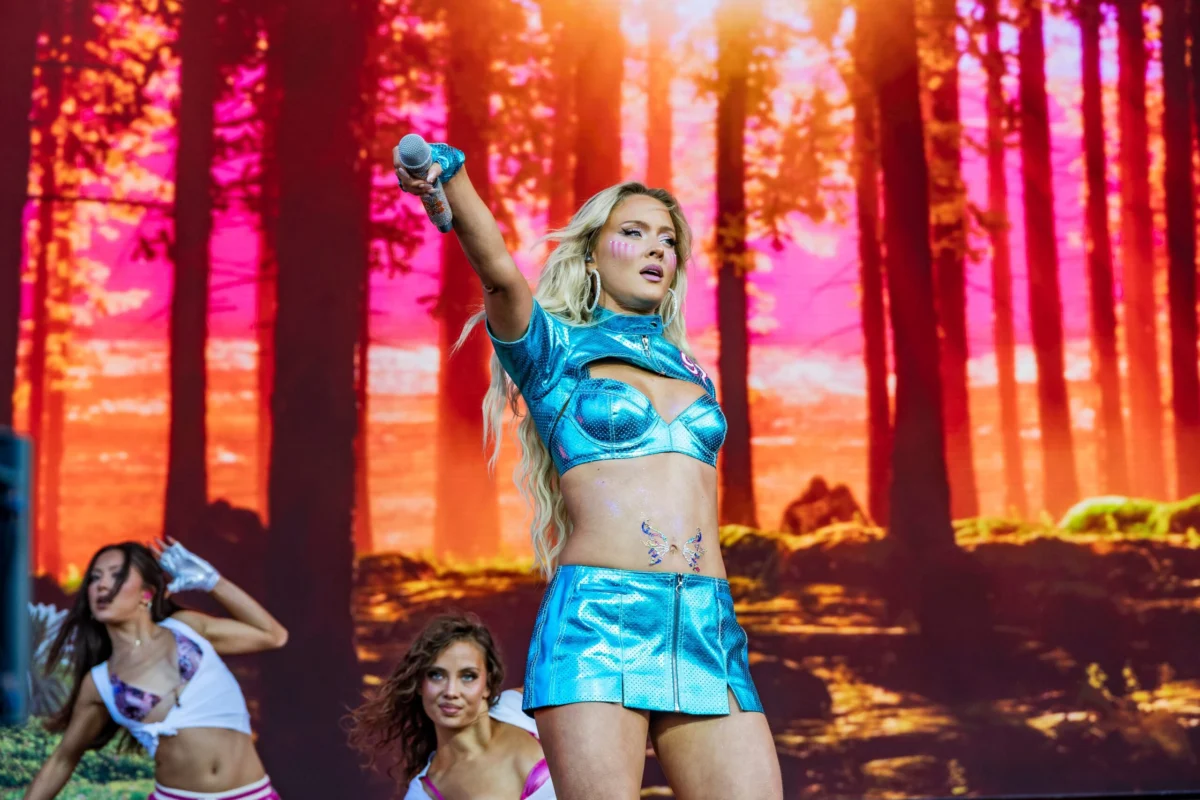
Headliners such as Zara Larsson and the rising powerhouse Ethel Cain were expected to draw massive crowds, alongside the infectious energy of Muna and the soulful delivery of Lola Young. The lineup also boasted a deep bench of talent, including the perennial pop-culture icon Carly Rae Jepsen, viral sensation Rebecca Black, and multifaceted performers like Grace Ives and Cara Delevingne. The loss of these performances is felt deeply by a community of fans who view All Things Go not just as a concert, but as a cultural gathering.
While the New York City event has been shuttered, a curious geographical divide has emerged. The original Maryland edition of the All Things Go Festival, which is scheduled to run concurrently at the Merriweather Post Pavilion in Columbia, is currently proceeding as planned. This discrepancy highlights the localized nature of the Nor’easter’s projected path. While the storm is expected to graze the Mid-Atlantic, its full fury is anticipated to be reserved for the coastal corridor stretching from Northern New Jersey through New England. For Maryland fans, the show goes on, but for those in the five boroughs, the weekend has turned into a period of sheltering in place.
The cancellation of All Things Go NYC is not an isolated incident; rather, it is part of a sweeping "blackout" of the East Coast’s outdoor entertainment schedule this weekend. The atmospheric conditions have triggered a domino effect of closures and postponements. In Brooklyn, the revival of the CBGB Festival, which aimed to celebrate the legacy of the iconic punk venue through a series of outdoor performances, has been scrapped. Similarly, the Global Citizen Festival, a massive philanthropic endeavor that draws tens of thousands to the Great Lawn of Central Park, has been forced to cancel its Saturday, September 26, program. Global Citizen, known for hosting legends like Ms. Lauryn Hill and Wyclef Jean, faces a unique challenge, as the Great Lawn is particularly susceptible to damage when heavy foot traffic meets saturated soil, often leading to months of park closures for restoration.
Further south, the Oceans Calling festival in Ocean City, Maryland, has also fallen victim to the storm. Given its location directly on the Atlantic coastline, the threat of storm surges and coastal erosion made the beachside event untenable. The simultaneous cancellation of these major gatherings underscores a growing concern within the music industry: the increasing difficulty of insuring and producing large-scale outdoor events during a time of heightening climate unpredictability.
For the artists involved, these cancellations represent more than just a lost payday. For many, a festival slot is the centerpiece of a seasonal tour, a chance to perform for thousands of potential new fans and to network with peers. The logistics of a modern tour are rigid; with artists often scheduled to perform in different cities every 24 to 48 hours, rescheduling a canceled festival date is nearly impossible. The equipment trucks, the travel arrangements for backing bands, and the specialized stage sets are all part of a finely tuned machine that is brought to a grinding halt by a single weather report.
The economic impact on the host city is also substantial. New York City’s hospitality sector—hotels, restaurants, and local transport—often sees a significant uptick in revenue during festival weekends. With thousands of visitors now likely to cancel their travel plans or remain confined to their hotel rooms, the ripple effect of the Nor’easter will be felt by small business owners across Queens and beyond.
From a production standpoint, the decision to cancel days in advance, while painful, is often the most responsible path. "Load-in"—the process of building the stage and installing sound systems—usually begins several days before the first note is played. If a storm hits while a stage is half-built, the risk of structural failure increases exponentially. By calling off the event before the peak of the storm, organizers protect the physical infrastructure of the venue and prevent the logistical nightmare of evacuating a stadium full of people in the middle of a torrential downpour.
As the music industry reflects on this weekend of lost performances, the conversation inevitably turns toward the future of the autumn festival season. Traditionally, September and October have been favored by promoters for their mild temperatures and lower humidity. However, as the frequency of late-season tropical systems and powerful Nor’easters increases, the "safe" windows for outdoor events appear to be narrowing.
For the fans of All Things Go, the focus now shifts to 2027 and the hope that the festival will make a triumphant return to Forest Hills Stadium under clearer skies. The automatic refund policy has provided some solace, yet the disappointment of missing a lineup so carefully tailored to the current cultural zeitgeist remains. For now, the vibrant energy of Zara Larsson, the haunting melodies of Ethel Cain, and the synth-pop anthems of Muna will have to wait for another day.
As the first gusts of the Nor’easter begin to whistle through the empty corridors of Forest Hills Stadium, the silence serves as a stark reminder of nature’s ultimate authority over the world of live entertainment. The lights will stay dark this weekend, but the resilience of the New York music scene suggests that when the clouds finally break, the encore will be louder than ever.
