
 By admin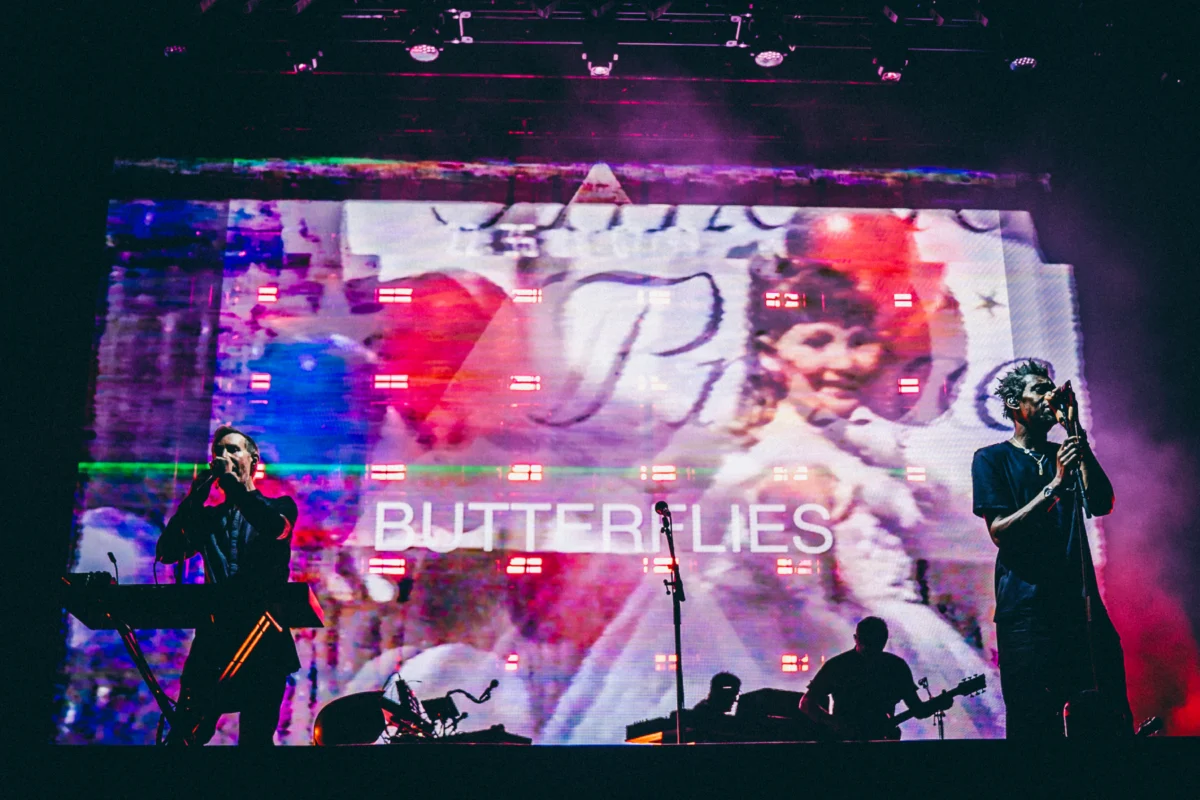
HangupsMusic.com – Singapore, The renowned British trip-hop pioneers, Massive Attack, found themselves at the center of an international incident following a recent performance in Singapore, which culminated in two core members being barred from the nation. The controversy erupted after the band displayed the Palestinian flag onstage during their concert, an act that authorities deemed a violation of local regulations concerning public expression and foreign symbols. This event has ignited a broader discussion on the intersection of artistic freedom, political advocacy, and national sovereignty in a globalized world.
The Bristol-based group, celebrated for their pioneering sound and often politically charged lyrics, issued a comprehensive statement via Instagram detailing the aftermath of their July 29th show at Singapore’s Star Theatre. The band expressed profound surprise and disappointment over the immediate detention of their entire touring party by local police. This included individual questioning, searches of hotel rooms for some members, and the temporary confiscation of passports – measures typically associated with serious investigations, not artistic performance.
According to Massive Attack’s account, the audience at the Star Theatre had, unprompted, initiated chants of "Free Palestine" both before and after their set. The band speculated that concertgoers were likely aware of Singapore’s stringent censorship laws but chose to express their solidarity regardless. For their part, the band members stated they had not anticipated that merely unfurling the flag of a state recognized by a significant majority of UN member countries (157 nations, as they noted) would constitute a legal transgression.
Despite the severe repercussions, the band articulated a sense of pride in what they termed an "impromptu expression" of solidarity. They emphasized their belief that their fans in Singapore felt a compelling moral duty to stand with the Palestinian people amidst what they described as an "ongoing reality of illegal occupation, apartheid, and genocide." The statement critically highlighted the perceived inaction of the "international community," suggesting that this perceived failure compels ordinary citizens worldwide to take personal risks in voicing their conscience. This perspective underscores a growing global trend where public figures and their audiences leverage platforms to advocate for humanitarian causes, often clashing with national laws or diplomatic sensitivities.
The "surreal experience" in Singapore, as the band described it, served as a potent reminder of the paramount importance of safeguarding universal human rights and the fundamental right to freedom of expression. They drew a parallel to situations closer to home, referencing incidents in the United Kingdom where peaceful protestors demonstrating against perceived genocide have reportedly faced arrests under terrorism laws, despite widespread appeals across the political spectrum for a more lenient approach. This comparison suggests a concern that limitations on free speech are not confined to specific geopolitical regions but are a more pervasive global challenge.
Concluding their statement, Massive Attack extended gratitude to the people of Singapore for their hospitality, while simultaneously voicing a hope that the Singaporean government would reconsider its stance. Specifically, they called upon the state to ratify the UN International Covenant on Civil and Political Rights, thereby allowing its citizens to express their conscience without the looming threat of state prosecution. This appeal positions the incident within a broader framework of international human rights norms, challenging Singapore to align its domestic policies with global standards of civil liberties.
In the immediate wake of the concert, Singaporean authorities confirmed that a joint investigation had been launched by the Singapore Police Force and the Infocomm Media Development Authority (IMDA). The probe targeted the band for allegedly displaying the Palestinian flag and inciting the audience to chant "Free Palestine." This swift response underscores Singapore’s firm stance on maintaining public order and preventing the importation of external political conflicts into its domestic sphere.
By Saturday, the repercussions became concrete: authorities announced that Robert Del Naja, also known as 3D, and Grant Marshall, or Daddy G, two founding members of Massive Attack, had been officially banned from re-entering Singapore. Furthermore, any future applications for them to perform in the city-state would be denied. This decision sends a clear message about the boundaries of permissible conduct for foreign artists performing within Singaporean jurisdiction.
Singapore’s official foreign policy regarding the Israel-Palestine conflict advocates for a "two-state solution" and supports Palestine’s bid for full United Nations membership. However, this diplomatic stance exists in parallel with a stringent domestic framework designed to manage public expression. As early as 2023, the Ministry of Home Affairs had declared a clampdown on "the public display and wearing of articles" related to the Gaza conflict, citing the need to protect Singapore’s social cohesion. The ministry’s statement at the time emphasized, "We must not let events happening externally affect this peace and harmony we have in Singapore."
Adding to this, Singaporean law strictly prohibits the public display of foreign national emblems, including flags, without explicit permission or an official exemption. The authorities’ Saturday statement explicitly cited Del Naja and Marshall’s investigation for "their actions of support for a political cause and unfurling of a foreign flag." This highlights the specific legal basis for the ban, rooted in regulations intended to prevent the politicization of public spaces by external issues.
Massive Attack has a long-standing reputation for being one of the most politically outspoken acts in the music industry. Their discography is replete with social commentary, and their members, particularly Robert Del Naja, have consistently used their platform to advocate for various causes. This includes their vocal support for the Palestinian cause, which predates the Singapore incident. Earlier this year, Del Naja himself was arrested at a demonstration in London while protesting on behalf of Palestine, underscoring his deep personal commitment to the issue. This history provides crucial context for understanding the band’s actions in Singapore as part of a consistent pattern of activism rather than an isolated incident.
The Singapore incident serves as a stark reminder of the delicate balance between artistic expression and the sovereign laws of nations. While artists often view their performances as extensions of their creative and political identities, host countries maintain the right to enforce regulations that reflect their national interests and social priorities. For Massive Attack, this event has not only resulted in a ban from a major touring destination but has also amplified their message, further cementing their legacy as artists unafraid to confront geopolitical realities, even at personal and professional cost. The episode is likely to resonate across the music industry, prompting other artists to carefully consider the potential ramifications of political statements during international tours, and igniting further debate on the universal application of freedom of expression.
