
 By Rose Miami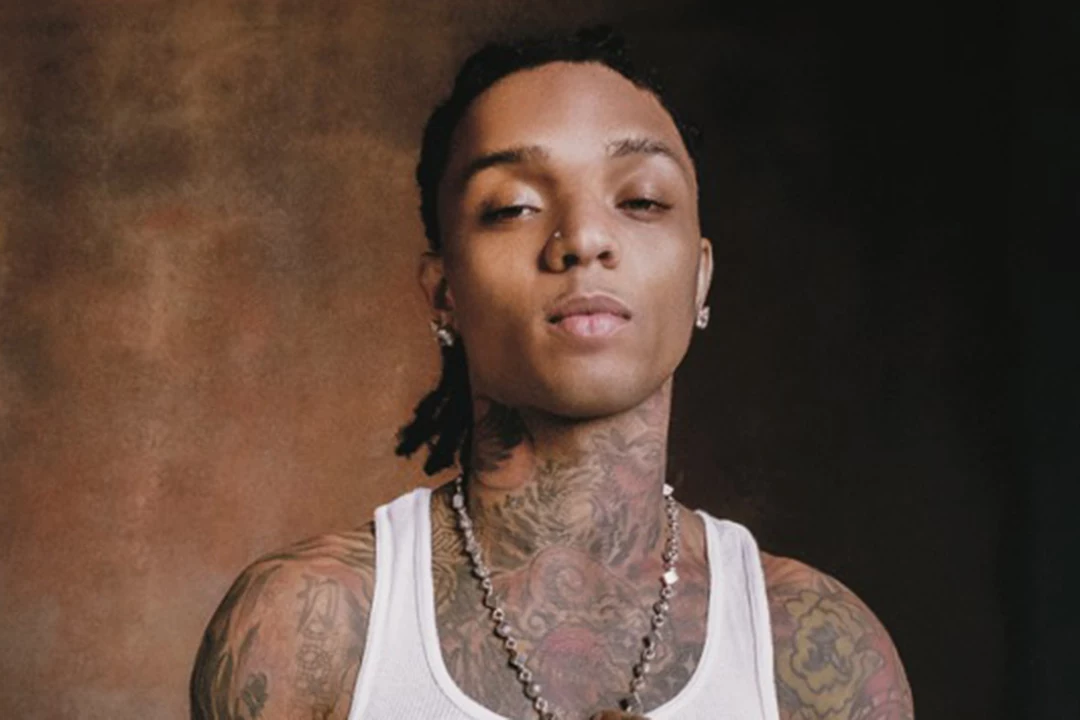
HangupsMusic.com – In the ever-evolving landscape of hip-hop, few artists possess the melodic prowess and consistent hit-making ability of Swae Lee. For over a decade, as a vital half of the dynamic duo Rae Sremmurd, and as a burgeoning solo force, the Mississippi-bred artist has been instrumental in crafting some of the genre’s most infectious hooks. Now, with his latest solo project, Same Difference, making waves, Swae Lee is stepping into the spotlight not just for his music, but to share his candid perspectives on a range of pressing topics shaping the industry and the creative process. In a recent conversation, he delved into the diminishing presence of rap groups, the seismic impact of AI, the shifting metrics of success, and the audacious moves of his peers, offering a glimpse into the mind of an artist constantly looking ahead.
The decline of rap groups in the current music climate is a phenomenon Swae Lee attributes to a confluence of individual ambition and differing visions. "A lot of it is people wanting to do it themselves," he explains, "and people might not see your vision. When you’re trying to convince somebody, like, ‘Bro, we can do this. I do this part; you do that part. We can take it all the way to the moon,’ one person might see the vision and one person might not. They might not even believe in themselves like that." This inherent individualism, he suggests, often forces artists to shoulder the entire creative burden. However, Swae Lee remains a believer in the power of true collaboration. "Anytime you have a collective of people that want to do it together and just take the sht to the moon and put all their feelings to the side and just be unconditionally there for each other, that sht can really go. You got that much more of a chance of even making it as everybody know [their] role." The success of Rae Sremmurd itself stands as a testament to this ideal, a harmonious blend of his melodic sensibilities and his brother Slim Jxmmi’s energetic delivery.
When the conversation turns to Artificial Intelligence and its burgeoning role in music creation, Swae Lee embraces a forward-thinking, almost prescient view. He sees AI not as a fleeting trend, but as the inevitable next frontier. "It’s the world as we know it right now," he asserts. "So, right now we’re looking at like, Oh, this is weird, this is weird. There’s a 9-year-old kid growing up, and to him, all this is going to be normal. ‘Oh yeah, you can use AI to make a beat? Let me learn how to do this.’ ‘Oh, you can use AI voices? Let me learn this.’ He’s learning that normally as he comes up." Swae Lee paints a vivid picture of a future where AI is deeply integrated into the creative and entertainment industries, from AI personalities performing music to robotic dancers. "This is just the next wave of where the world is at. So like it or not, ni*as got to get with it and figure out where it’s going. I see where this sht is going. It’s going to be AI voices and robots dancing, and this is an artist with a whole AI personality singing. They going to know his AI songs. We’re getting just [closer] to a futuristic world that we used to see in the movies. So, there’s going to be strip clubs, robot strippers, AI personalities." He encourages artists to be pioneers in this new space, suggesting they "start capitalizing" and be the first to embrace these technological advancements, even envisioning AI-generated background vocals for his own tracks, highlighting the precision and flawless execution these systems can offer.
The traditional metric of album sales as the sole indicator of success is a notion Swae Lee believes is becoming increasingly antiquated in the streaming era. While acknowledging their continued relevance to a dedicated segment of the audience, he emphasizes the broader reach of music today. "They do [matter], but they don’t," he states. "The vast majority of people want to just listen to it. They’re not thinking, ‘But he sold 17,000.’" He views the creative process as an ongoing endeavor, a continuous pursuit of artistic expression. "Guess what? Nia, we shooting again, again, again, again. No matter what, man, we keep it coming, and you just do the best. You push that sht. You got to put that muscle behind that sht. The people that’s supposed to love it, they going to love it. And the people it’s supposed to reach is going to reach. Boom. Next one, nia, you might go to the moon with that sh*t. It’s like you keep digging for them diamonds." He also points to the delayed gratification many songs experience, noting how some of his own hits took months to gain traction, highlighting the unpredictable nature of music’s trajectory.
In a bold and unprecedented move, Drake recently released three distinct albums simultaneously, a strategy Swae Lee unequivocally praises. "For [an artist] as big as Drake, that was smart as f*k. That was hard," he exclaims. "And I don’t really think nobody did that before that sht." He believes that for artists of Drake’s stature, a massive and devoted fanbase, such an output is not overwhelming but rather a "feast." He likens it to a beloved restaurant offering multiple courses. "Imagine if that was food. You getting three f**king courses at a restaurant you love. Drake is a restaurant they love. They not going to turn it down, all this music." He questions the notion of a true fan being displeased by an abundance of new material, suggesting it would likely inspire copycat moves from other artists.
Addressing the often-vicious nature of social media discourse, Swae Lee advocates for a detached perspective. He advises listeners not to "take it to heart," suggesting that the anonymity of the internet often emboldens negativity from individuals who may lack fulfillment in their own lives. "You got to realize, man, the muthaf*ka that might have typed some negative sht about you could be a fat slob who never got no pussy," he states frankly. He believes that a visual representation of these online critics would reveal them to be "the worst kind of person you ever seen. The people that you don’t see in the streets, it’s going to be the people, the creeps." He highlights the ephemeral nature of online trends and the constant shift in public attention, suggesting that artists can strategically "control your narrative on social media" by releasing positive headlines and leveraging the platform as a tool.
Navigating economic downturns and securing financial stability as an artist is a challenge Swae Lee addresses with a pragmatic approach, emphasizing diversification of income streams. Beyond streaming royalties, he stresses the importance of live performances, including "shows, tours, festivals," as significant revenue generators. He also points to brand deals and merchandising as crucial elements for maintaining financial health. For emerging artists, he suggests exploring opportunities like "club appearances, schools, getting little bookings at pep rallies" and even selling physical CDs. He advocates for leveraging platforms like Instagram Live and TikTok for streaming revenue and direct fan engagement, normalizing this dual approach to artistry and income generation.
Regarding the frequency of music releases, Swae Lee leans towards a philosophy of continuous output. "I don’t think you should take breaks," he asserts, though he acknowledges that individual circumstances and label constraints can influence this. "The more you feed them, the better." He believes that consistently releasing music keeps fans engaged and demonstrates an artist’s ongoing commitment. In an "oversaturated market" where "new artists [are] emerging," he advocates for dropping "more [frequently], for sure."
Finally, Swae Lee reflects on the delicate balance between an artist’s public persona and their private life in an era of pervasive oversharing. While he acknowledges the potential benefits of inviting fans into his personal world to foster a stronger connection, he largely maintains a degree of separation, preferring to let his music speak for itself. "I be feeling like I don’t never really bring them [the fans] a lot in my lifestyle or in my life," he admits. However, he finds value in the organic glimpses fans catch of his life through his public movements. "Just keep up with me if you really want to know me on a personal level. I’m going to always make time to give them personal moments, and when they see me in their city, I f**k with them." This approach allows him to maintain a sense of personal space while still fostering a genuine connection with his audience through shared experiences and, most importantly, his prolific musical output.
